Anger is a natural human emotion—everyone feels it. But when anger becomes frequent, intense, or difficult to control, it can affect your relationships, work, and mental health.
The good news? With the right techniques, you can learn to manage anger before it controls you.
This guide will help you understand anger, why it happens, and powerful techniques to manage it effectively.
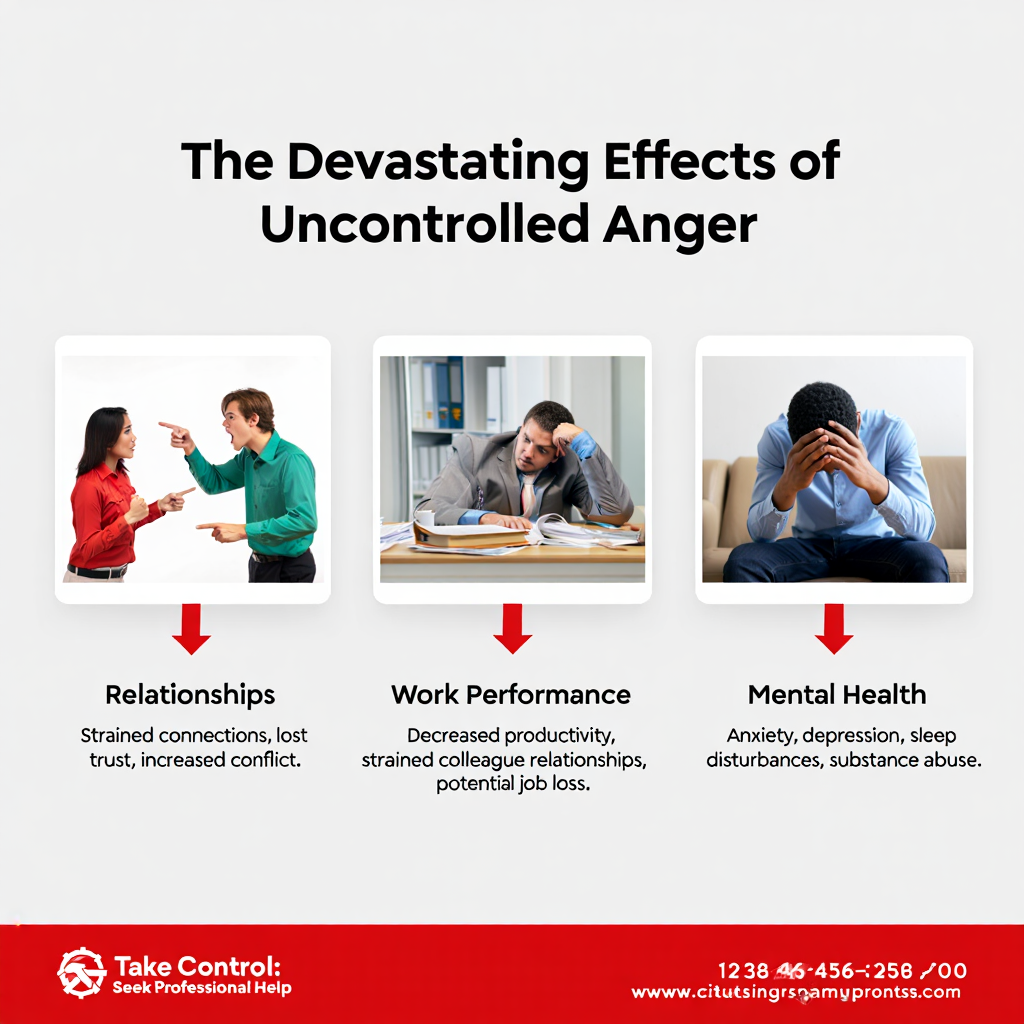
Why Do We Get Angry?
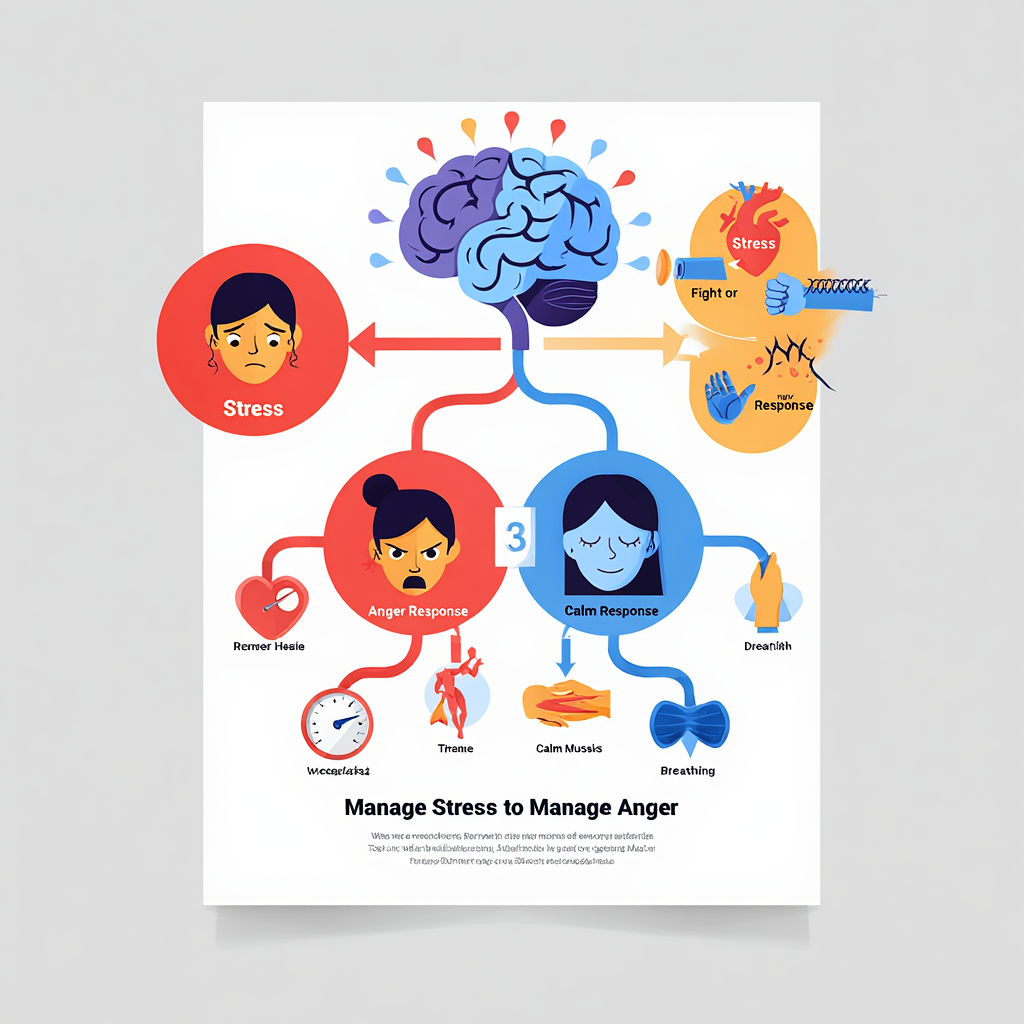
Anger is the body’s reaction to:
- Stress
- Frustration
- Feeling unheard or misunderstood
- Pain (emotional or physical)
- Feeling threatened
- Overwhelming responsibilities
It’s not the anger that causes trouble—it’s how we express it.
Effective Anger Management Techniques
1. Practice Deep Breathing
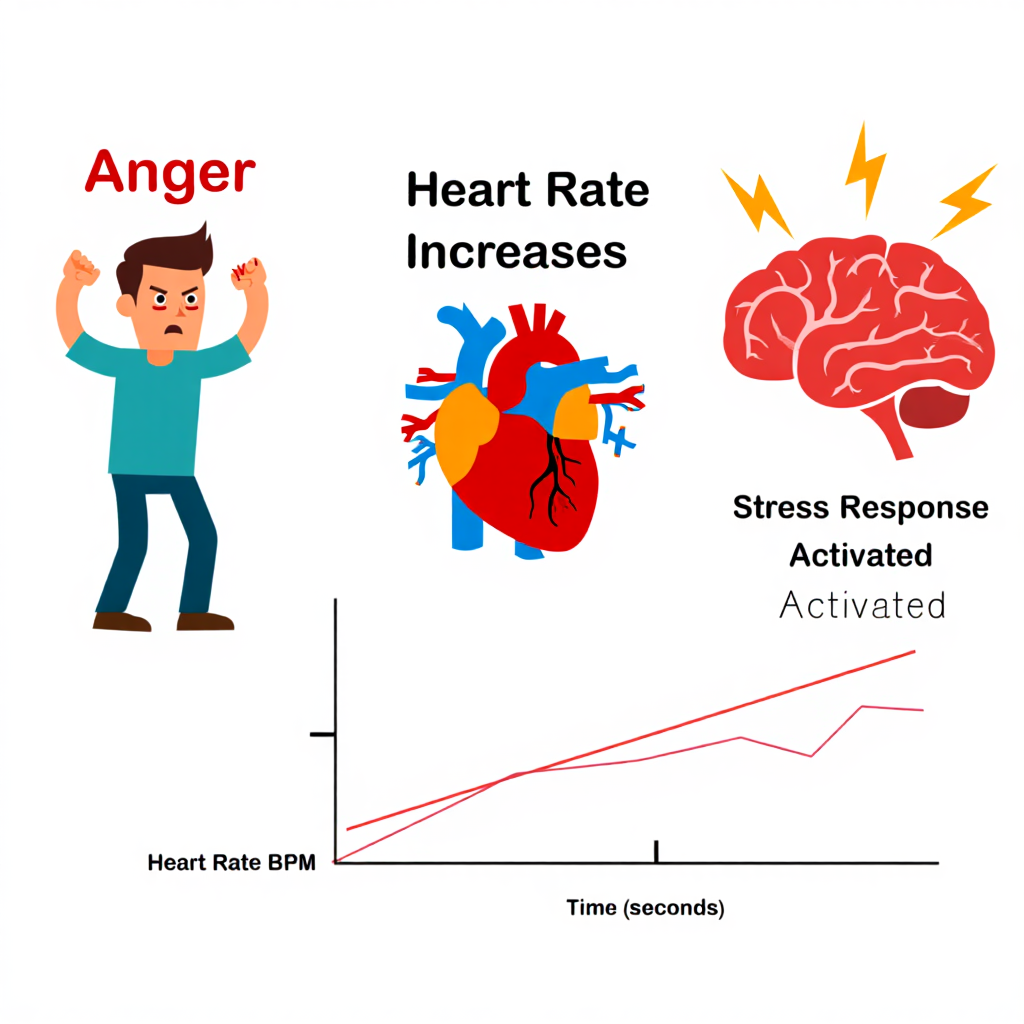
When you’re angry, your heart rate increases.
Slow breathing calms your nervous system.
Try this:
Inhale for 4 seconds → Hold for 4 → Exhale for 4 → Repeat 5–10 times.
2. Use the “Pause & Respond” Rule
Before reacting:
- Stop for 5–10 seconds
- Take a deep breath
- Choose a calmer response
This prevents hurtful words or impulsive decisions.
3. Identify Your Triggers
Write down situations that make you angry.
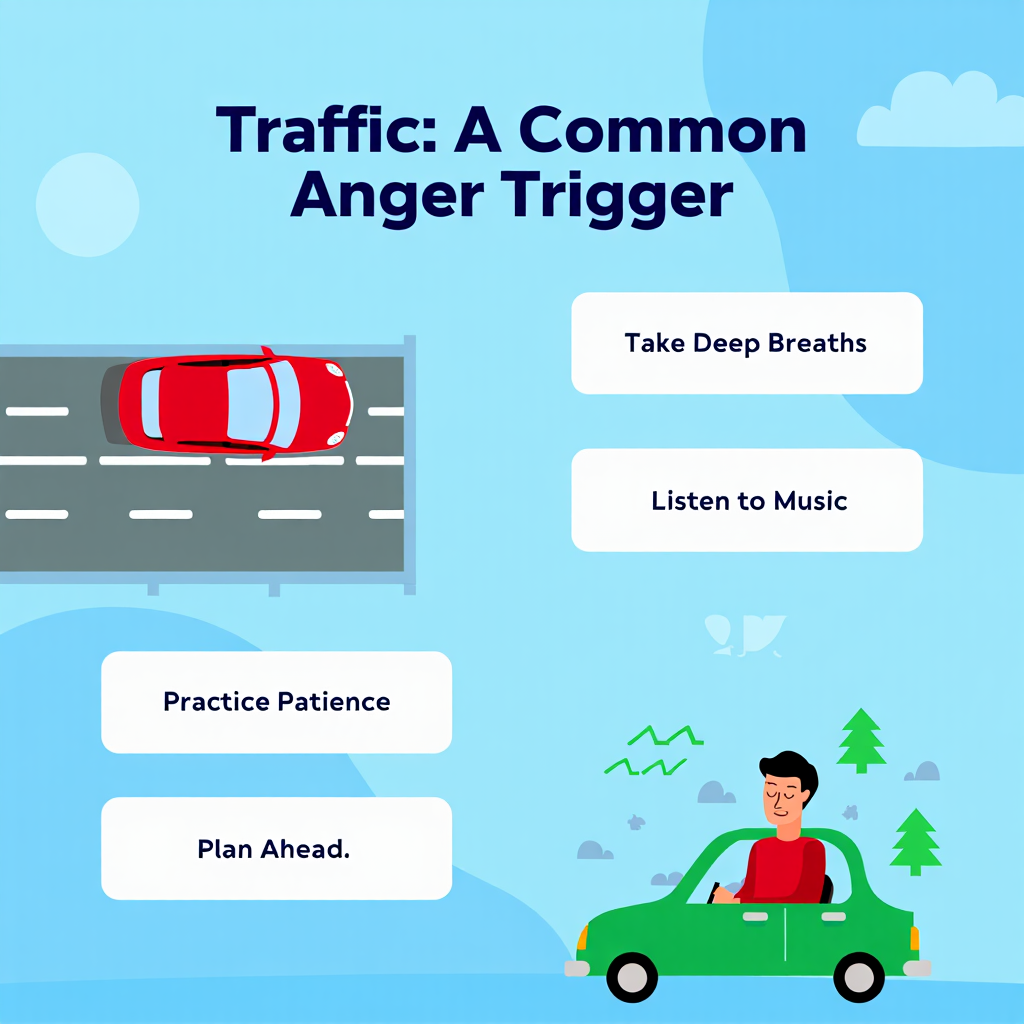
Common triggers:
- Traffic
- Being interrupted
- Disrespect
- Lack of sleep
- Financial stress
Understanding your triggers helps you prevent future outbursts.
4. Practice Mindfulness
Mindfulness brings your attention to the present moment.
Try:
- Sitting quietly with your breath
- Observing thoughts without reacting
- Guided meditation for 5 minutes
This strengthens emotional control.
5. Communicate Clearly and Honestly
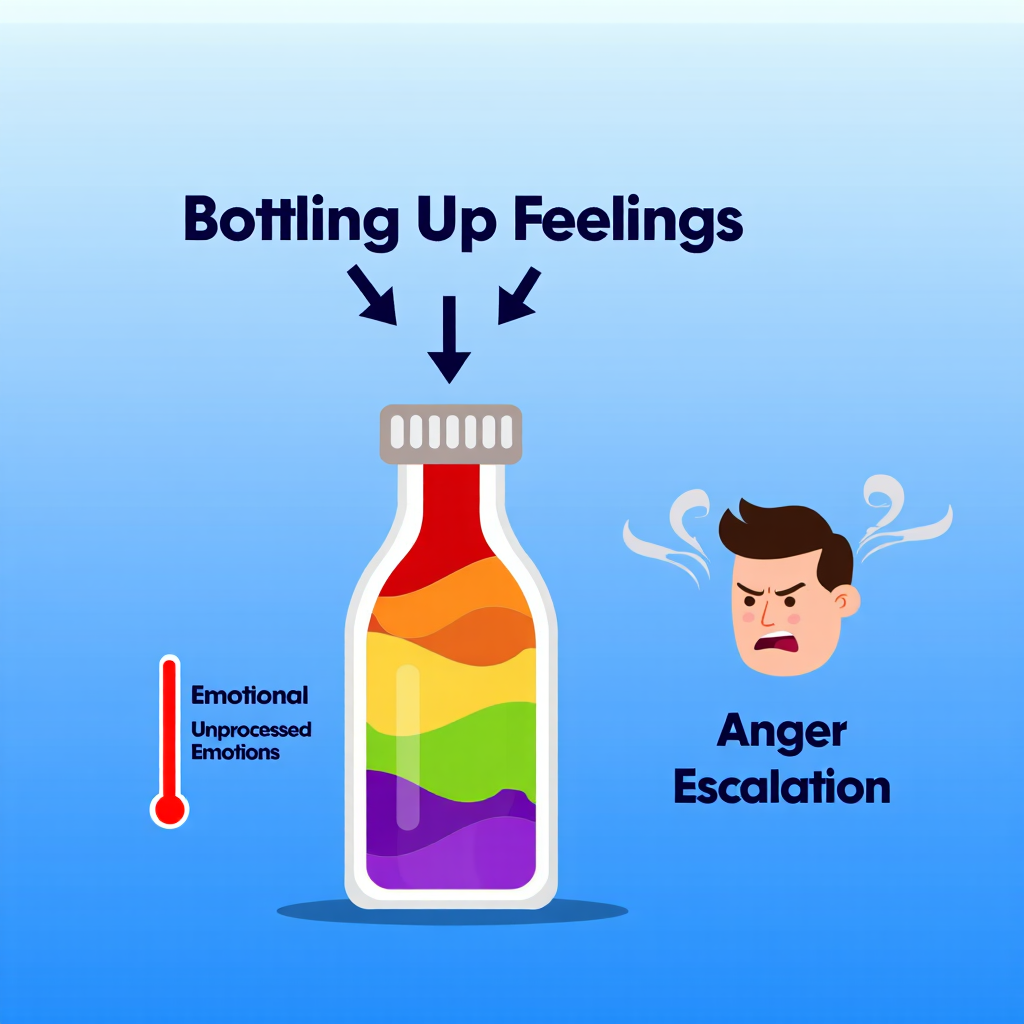
Anger often rises when we bottle up feelings.
Express your thoughts calmly:
- Use “I feel…” instead of “You always…”
- Focus on solutions instead of blame
This reduces misunderstandings.
6. Take a Break (The Time-Out Technique)
If you feel your anger rising:
- Step out of the room
- Go for a walk
- Drink water
- Splash your face
- Count to 50
Short breaks reset your mind.
7. Exercise Regularly
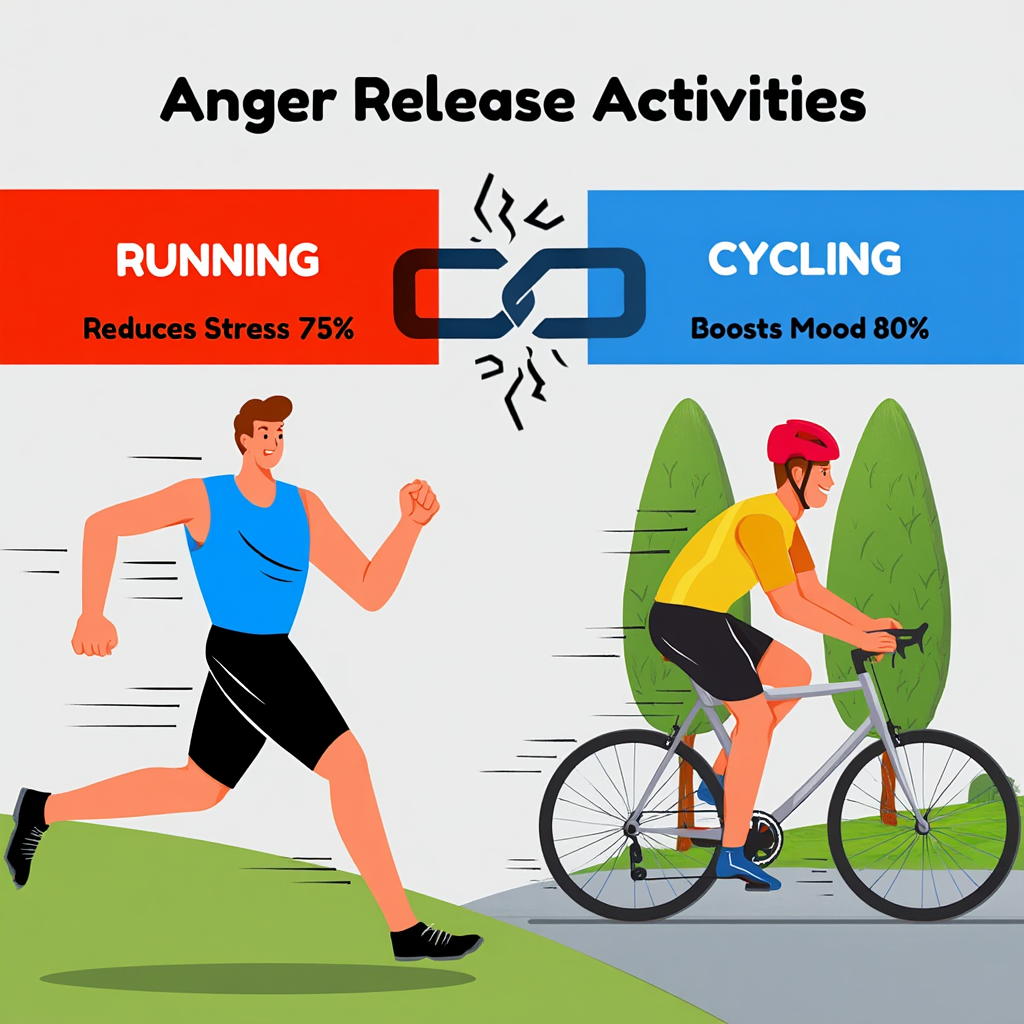
Physical activity releases stress hormones and boosts mood.
Even 15–20 minutes helps:
- Walking
- Cycling
- Running
- Yoga
Exercise keeps your emotions balanced.
8. Improve Your Sleep
Lack of rest makes emotions unstable.
Aim for 7–8 hours to prevent irritability and anger spikes.
9. Challenge Negative Thoughts
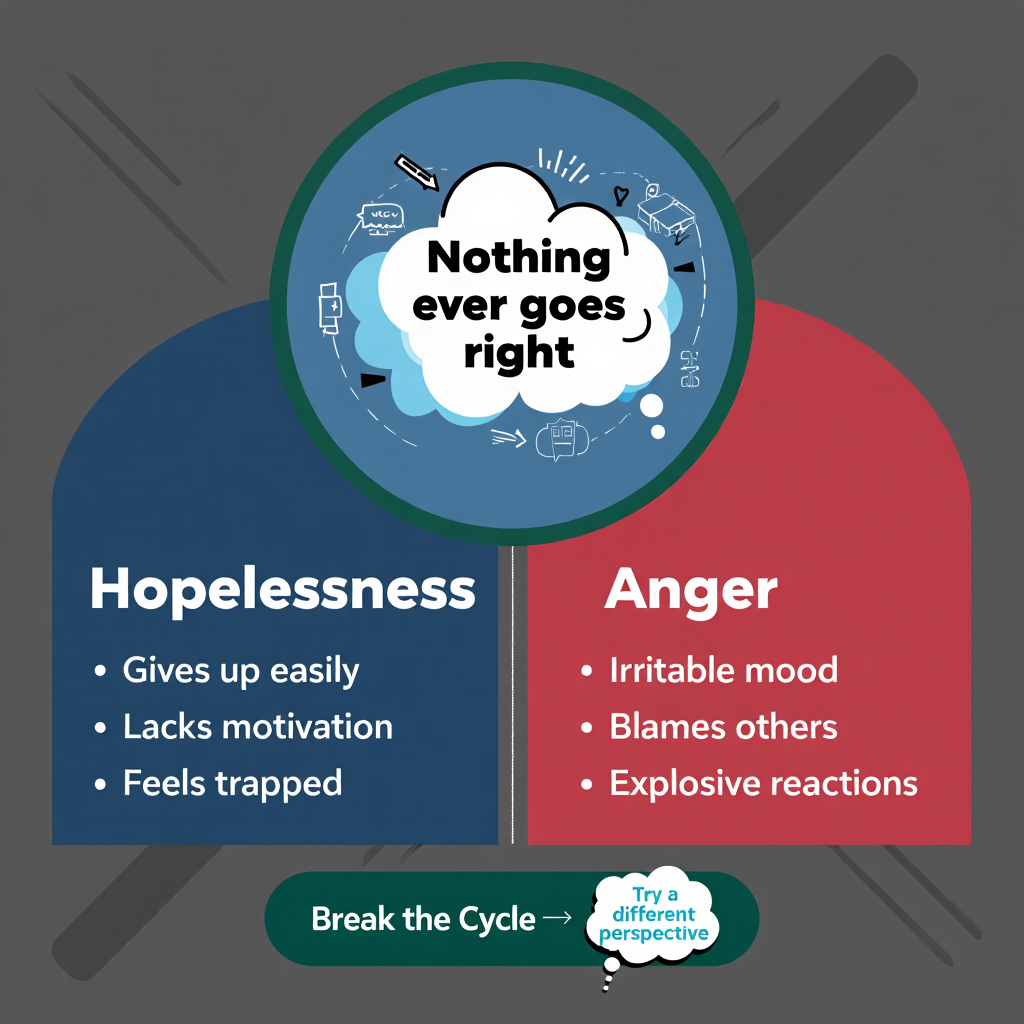
Anger grows from thoughts like:
- “This always happens!”
- “They don’t respect me!”
- “Nothing ever goes right!”
Replace them with:
- “I can handle this.”
- “Let me think calmly.”
- “This is temporary.”
10. Use Physical Grounding Techniques
To calm your brain instantly:
- Touch something cold
- Hold a stress ball
- Focus on your feet touching the ground
- Name 5 things you see around you
This reduces emotional intensity.
11. Practice Gratitude Daily
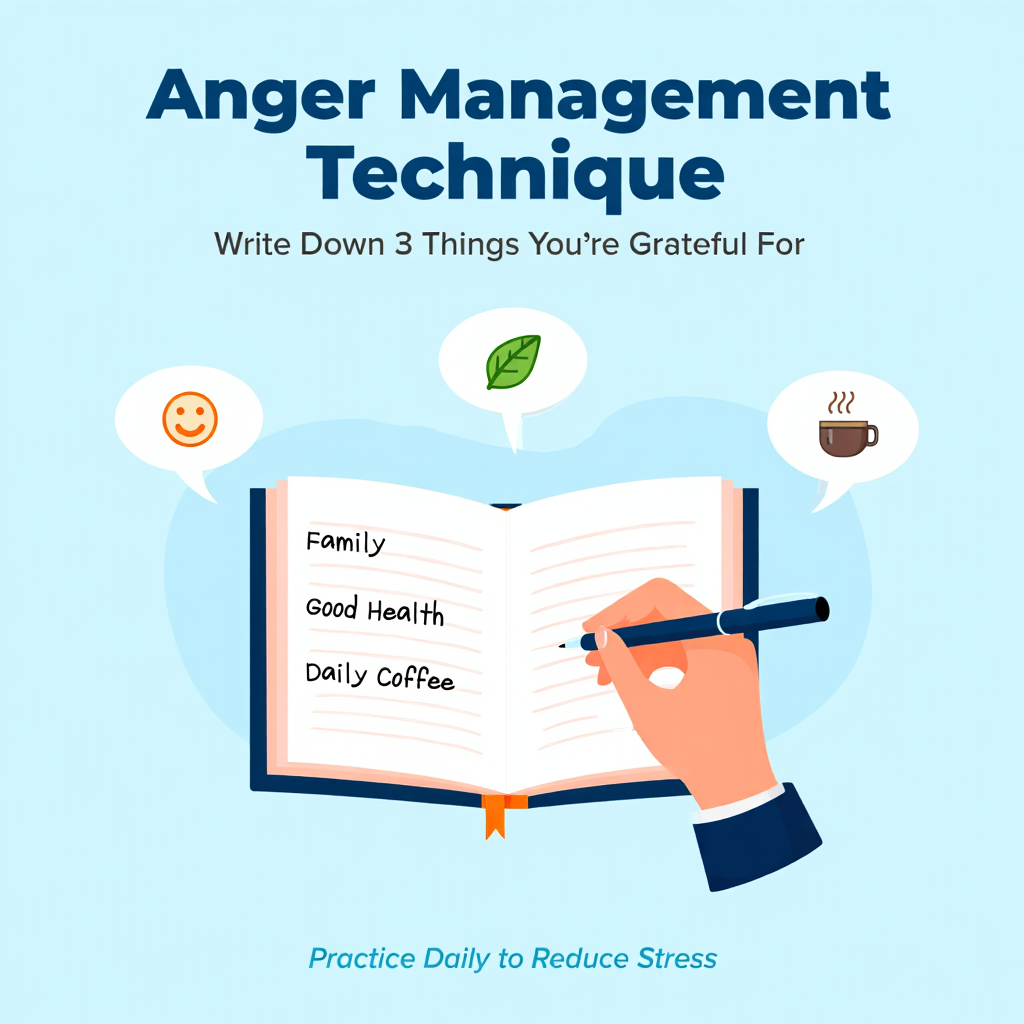
Write 3 things you’re grateful for.
This shifts your mind toward positive thinking, reducing anger over time.
12. Seek Support When Needed
If anger affects your relationships or daily life, talking to:
- A therapist
- A counselor
- A support group
can be extremely helpful.
Final Thoughts
Anger is normal—but uncontrolled anger is harmful.
With small daily practices, you can become calmer, more patient, and emotionally stronger. These anger management techniques will help you handle situations wisely and respond instead of reacting.