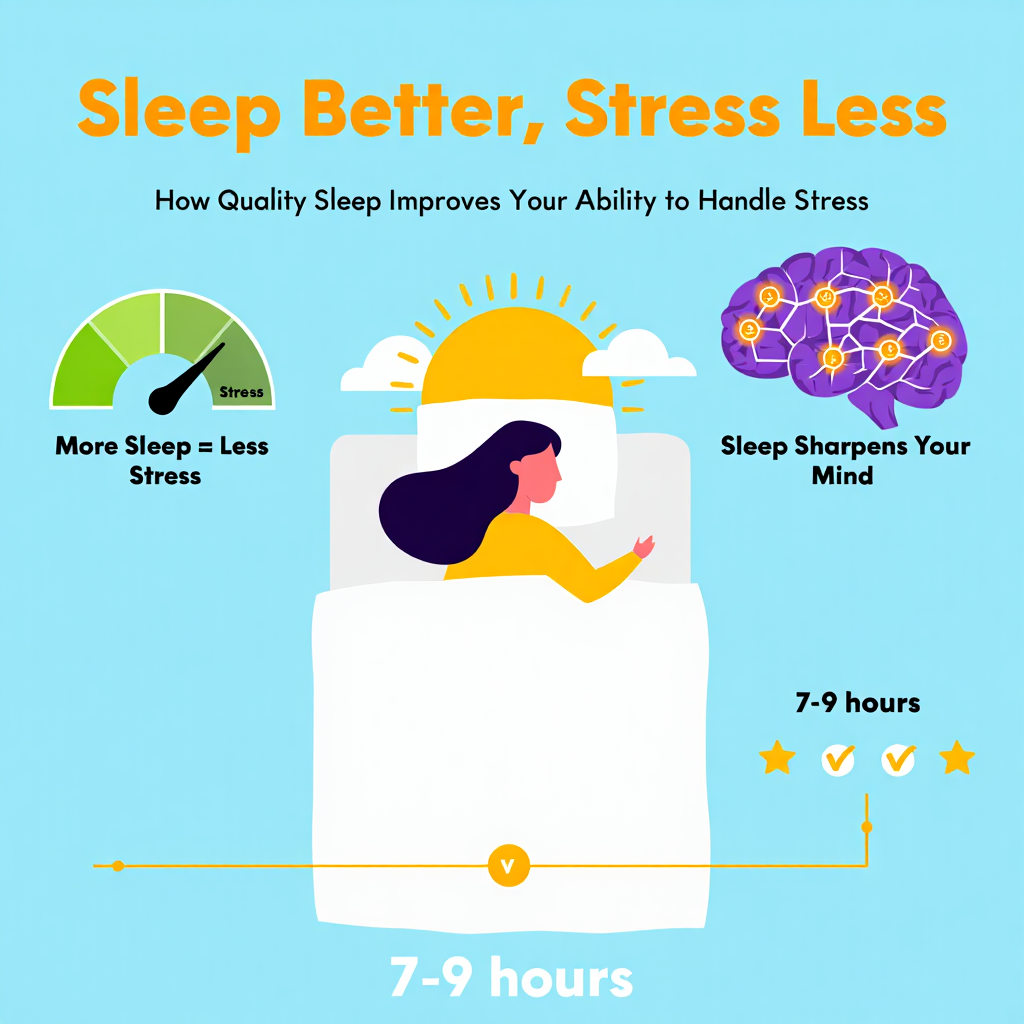
Most people think stress comes from work, relationships, or daily responsibilities — and that’s true. But one of the biggest reasons you feel more stressed is lack of sleep.
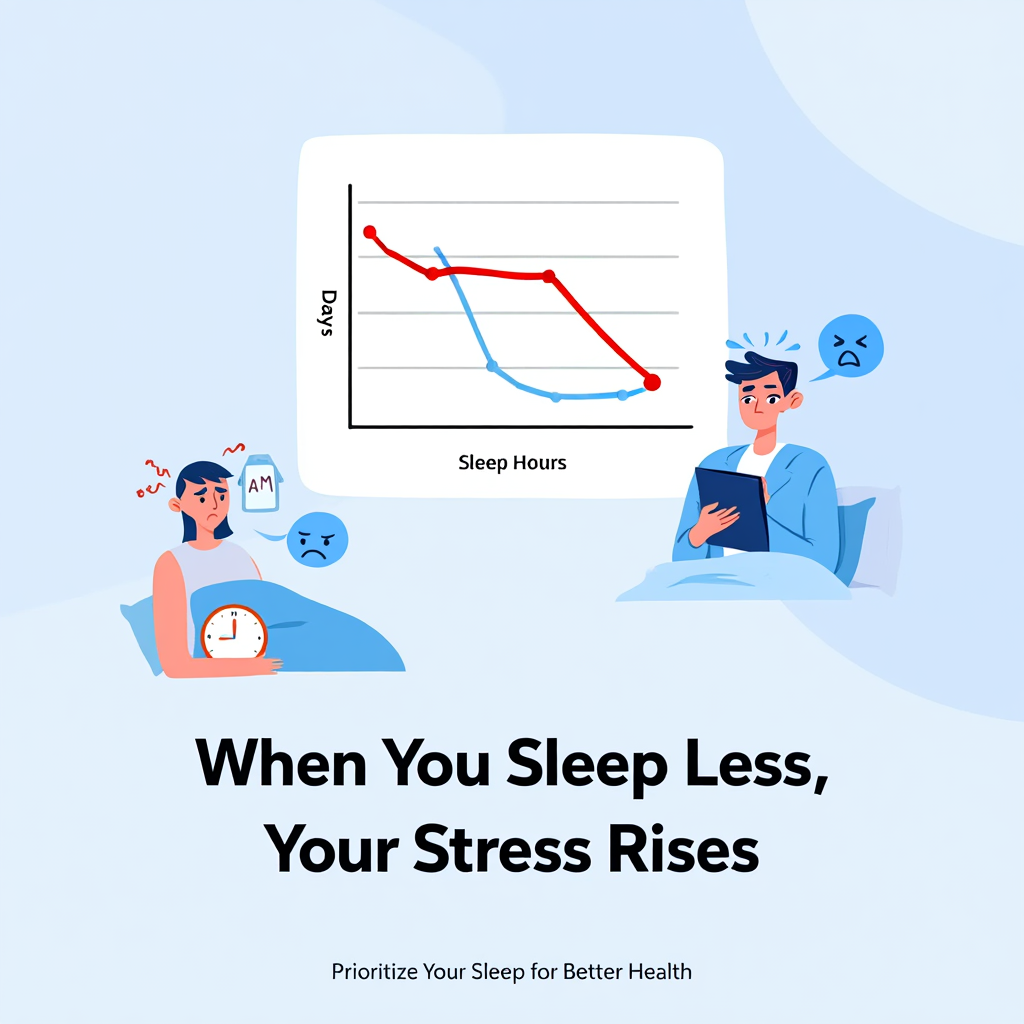
Sleep and stress are deeply connected. When you sleep less, your stress rises. When your stress rises, your sleep gets worse. It becomes a cycle.
Understanding this connection can help you improve both your mental health and physical well-being.
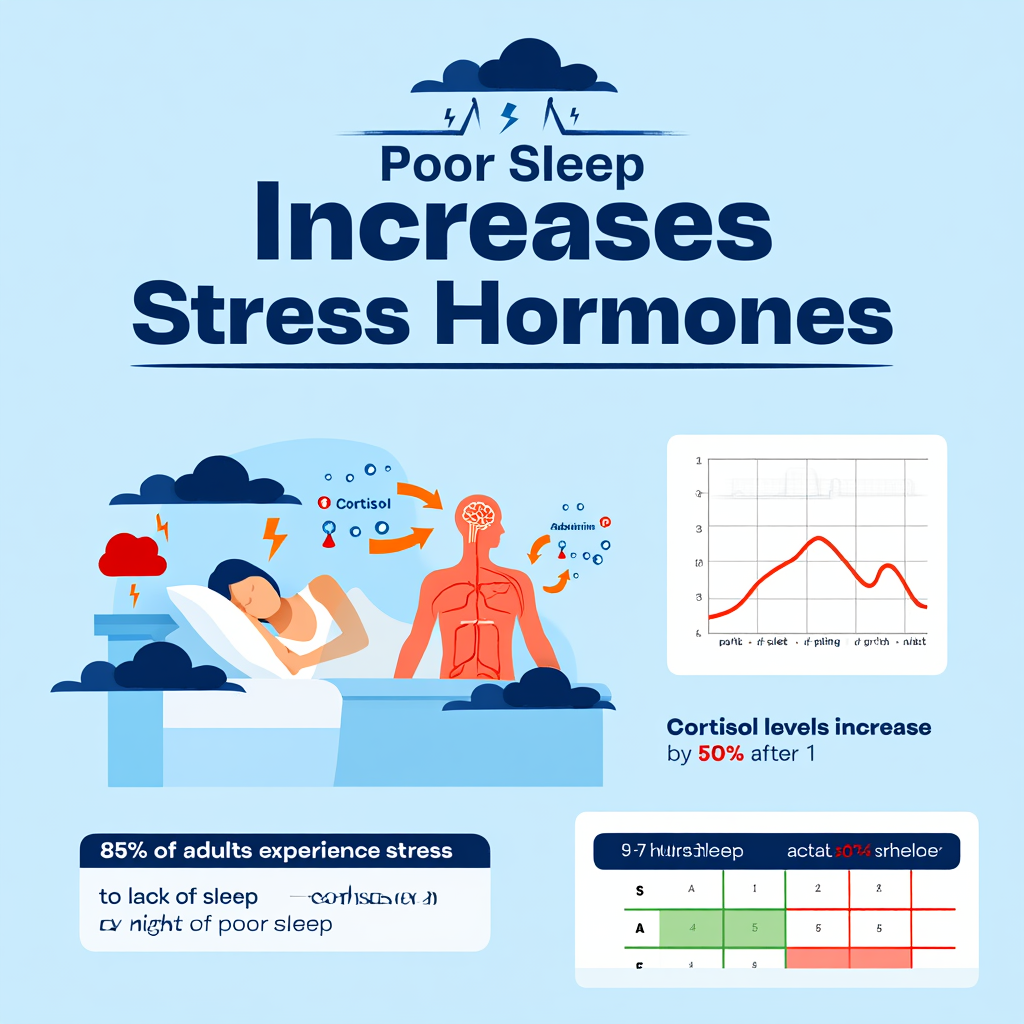
1. Poor Sleep Increases Stress Hormones
When you don’t sleep enough:
Your body releases more cortisol (the stress hormone)
Your mind becomes more alert, anxious, and tense
You feel overwhelmed faster
Small problems feel bigger than they are
Good sleep helps keep cortisol balanced so you stay calm and focused.
2. Lack of Sleep Makes You Emotionally Sensitive
Have you noticed you get irritated or upset more easily when you’re tired?
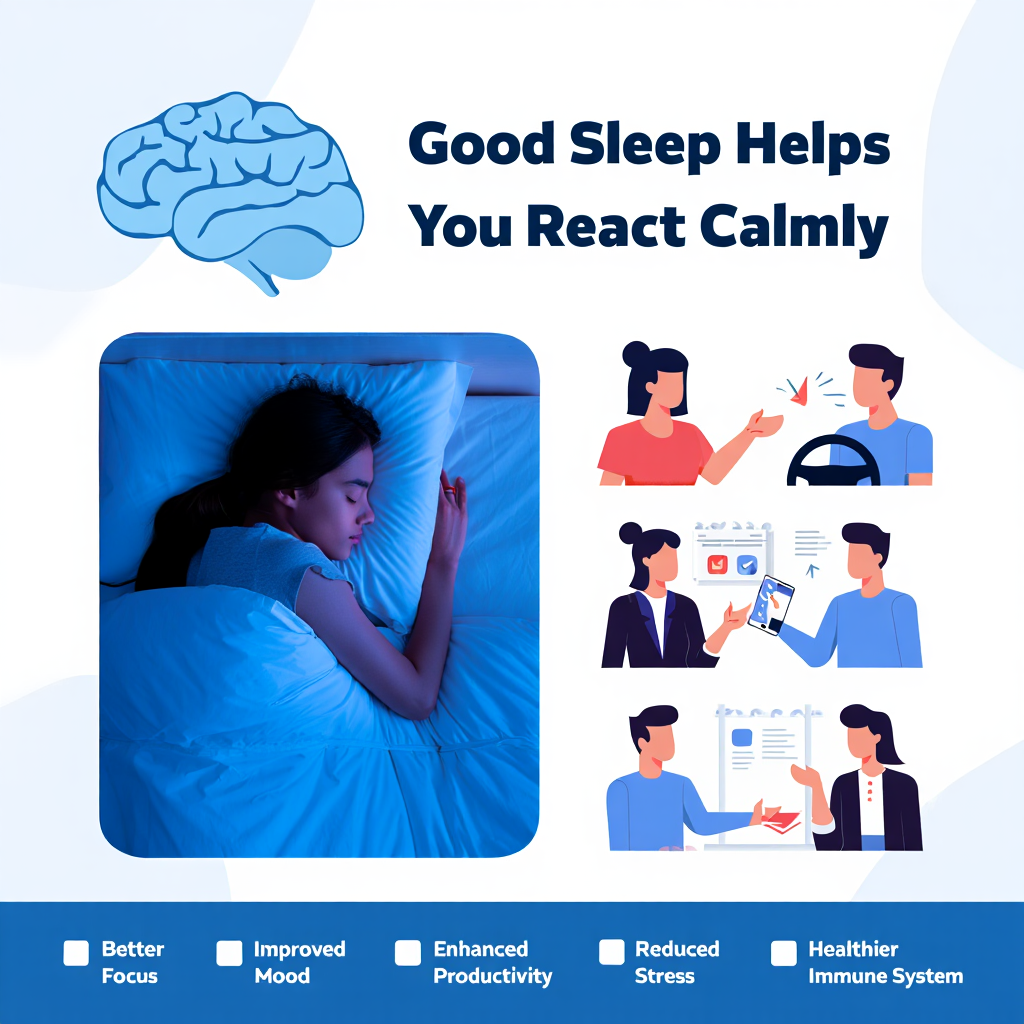
That happens because sleep affects the part of your brain that controls emotions. Without enough sleep:
Your patience decreases
Mood swings increase
You become more reactive
Anxiety becomes stronger
Sleeping well helps you think clearly and react calmly.
3. Sleep Helps Your Brain Remove Stress Build-Up
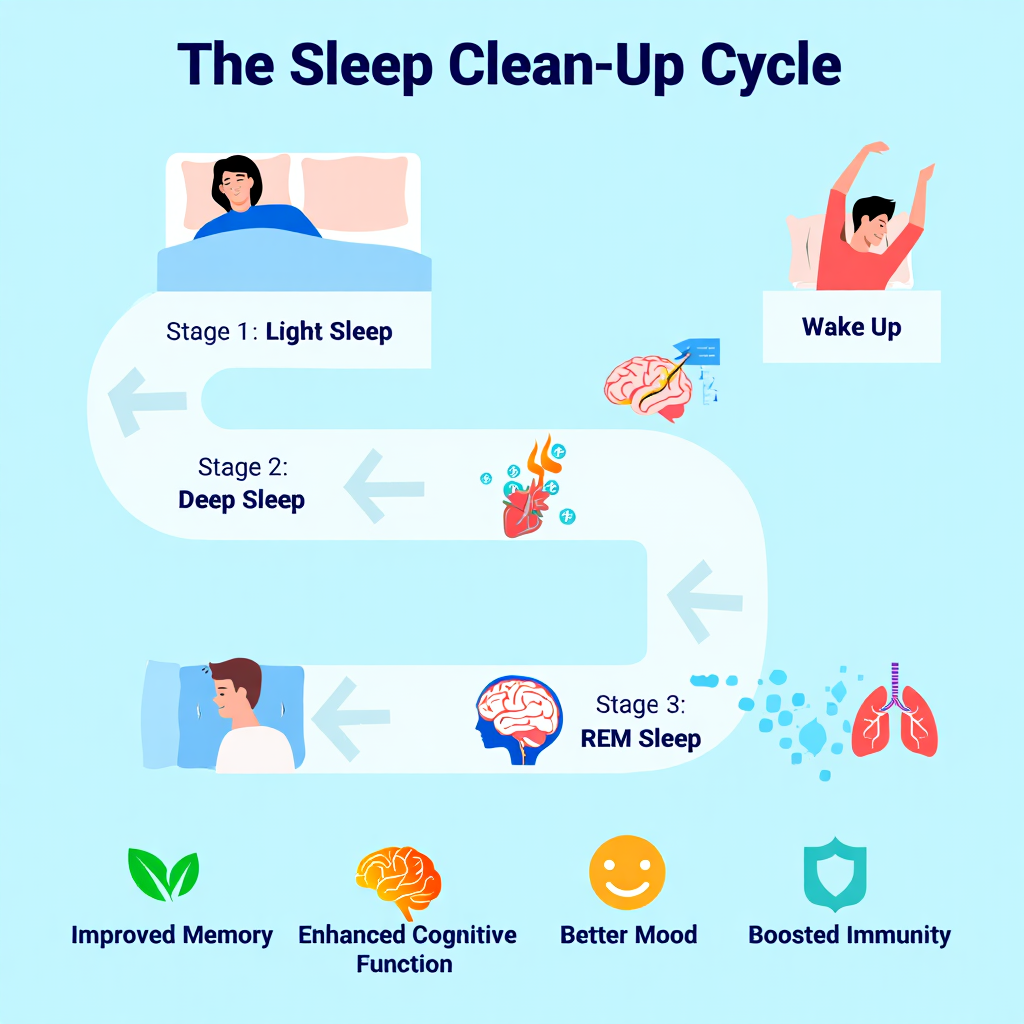
Every night, while you sleep, your brain performs a “clean-up process.” It removes: ✔ toxins ✔ mental clutter ✔ emotional overload
This helps you wake up feeling fresh, peaceful, and stable.
When you don’t sleep well, this process doesn’t happen — leading to more stress the next day.
4. Good Sleep Improves Your Ability to Handle Stress
When you sleep enough, your brain becomes stronger at dealing with challenges.
You get: ✔ better problem-solving ✔ improved decision-making ✔ stronger emotional control ✔ more patience ✔ higher energy
This means even stressful situations feel manageable.
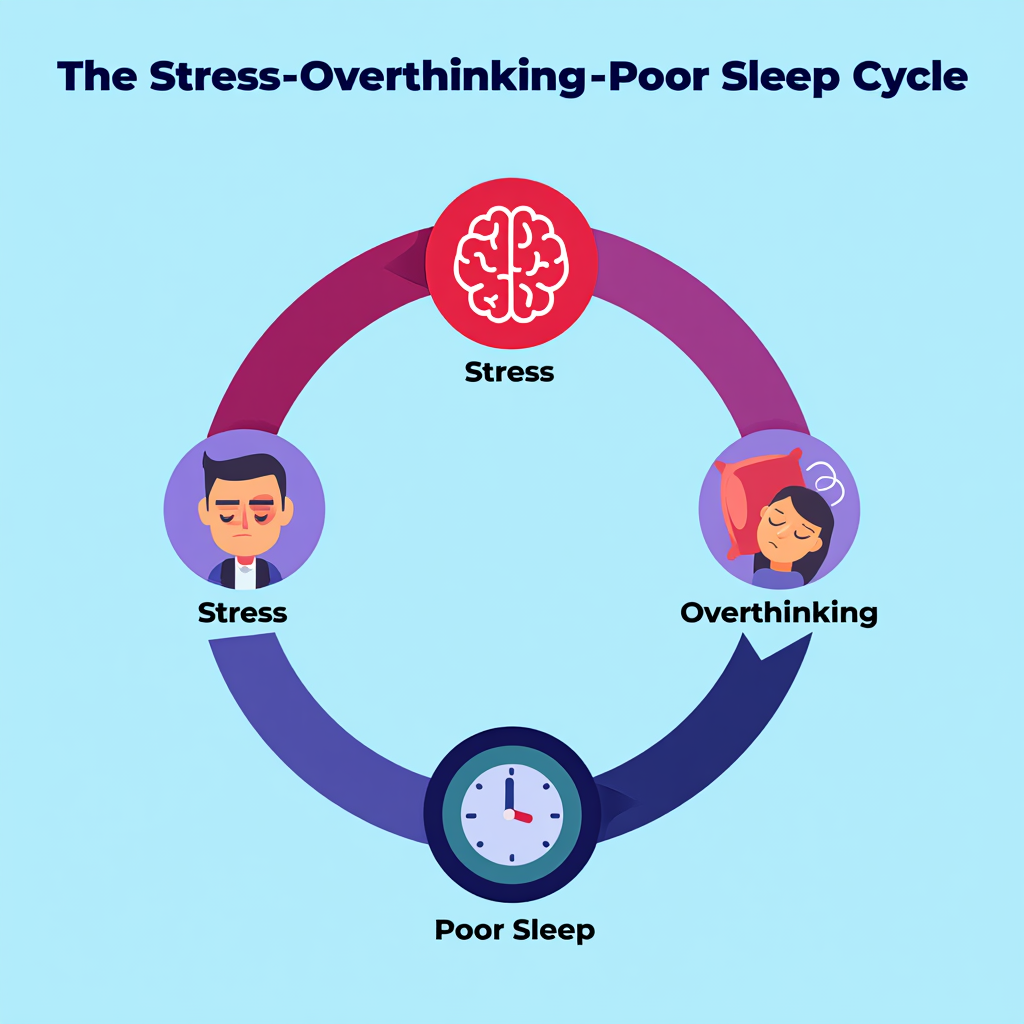
5. Stress Can Cause Insomnia — A Dangerous Loop
Stress makes it hard to sleep, and no sleep increases stress even more.
This cycle looks like: Stress → Overthinking at night → Poor sleep → More stress → Repeat
Breaking this cycle starts with improving your sleep habits.
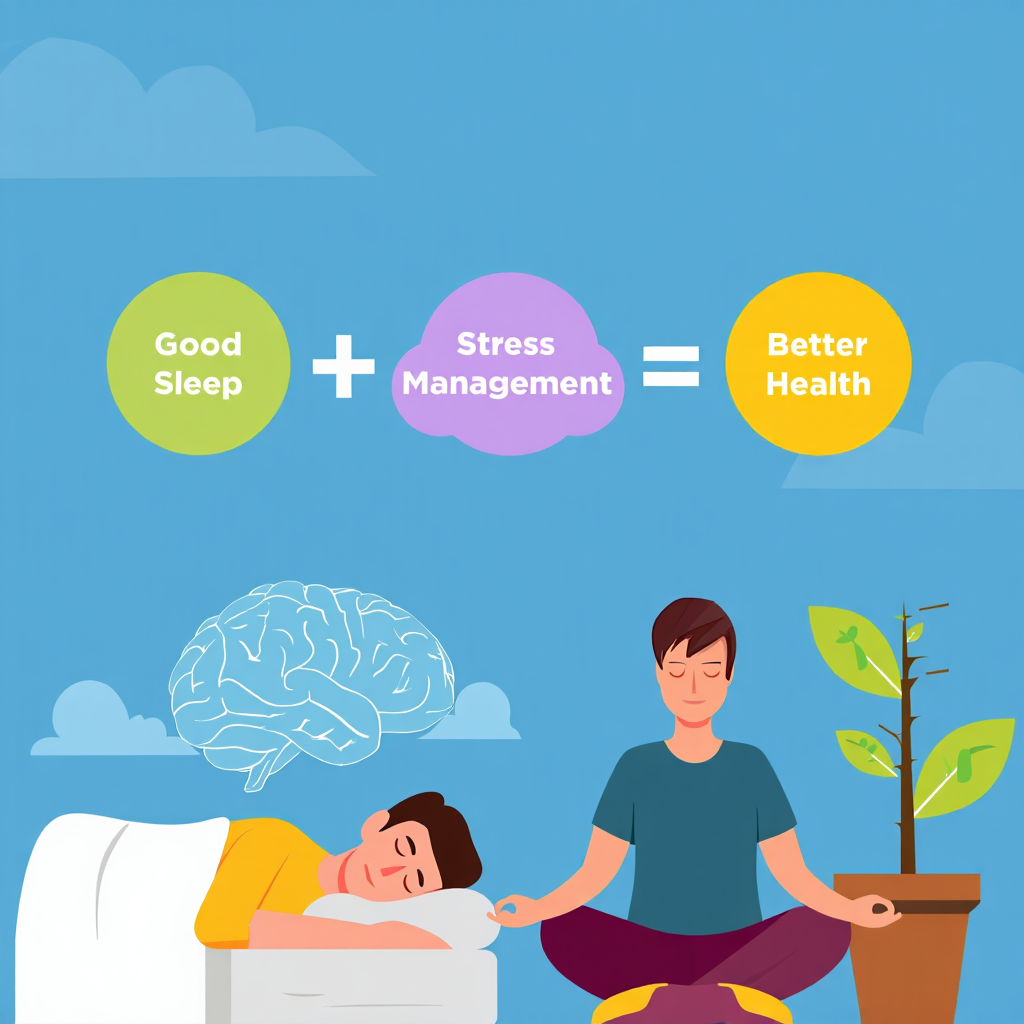
6. Good Sleep + Stress Management = Better Health
Good sleep improves: ✔ Heart health ✔ Digestion ✔ Immunity ✔ Mood stability ✔ Hormone balance
This directly reduces physical and mental stress.
Tips to Improve Sleep & Reduce Stress
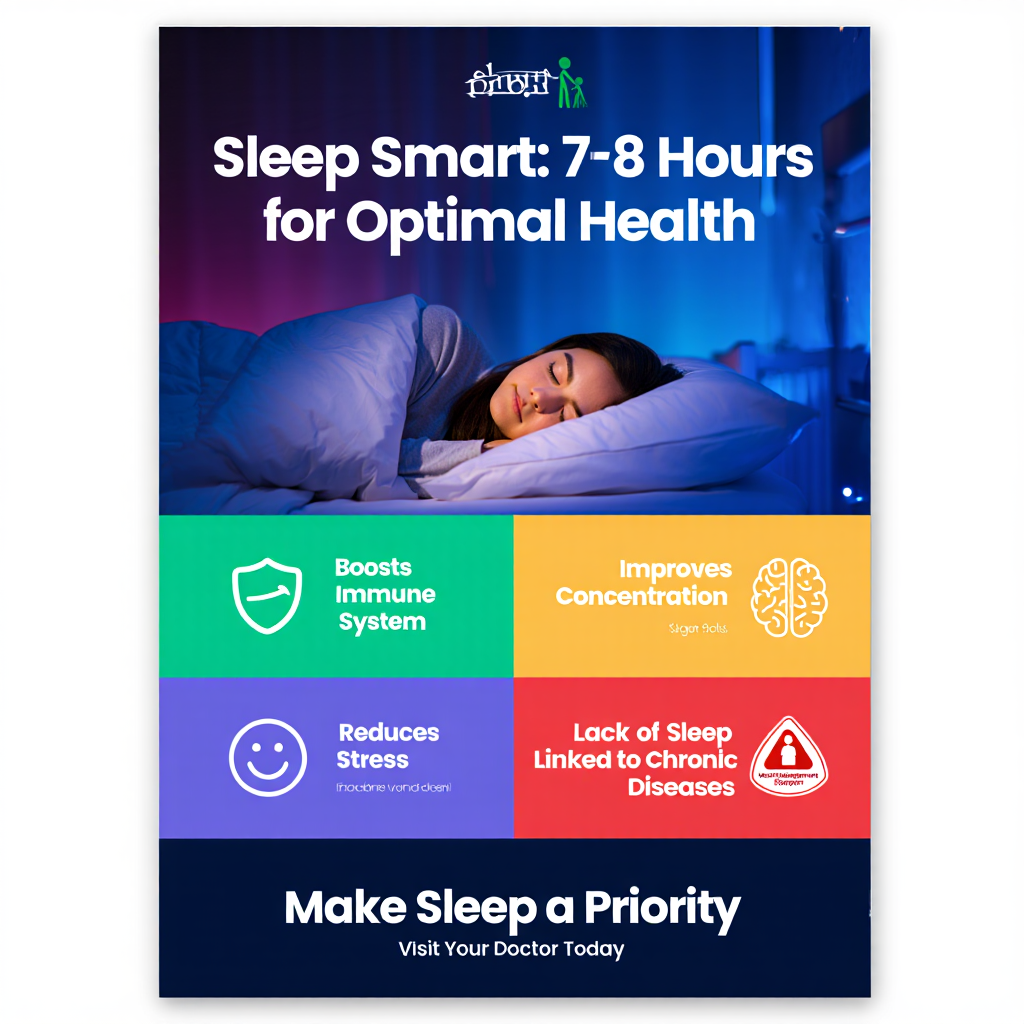
✔ Sleep 7–8 hours daily ✔ Avoid screens 1 hour before bed ✔ Keep your room dark & quiet ✔ Avoid caffeine at night ✔ Do deep breathing before sleeping ✔ Maintain a fixed sleep schedule ✔ Try journaling to clear your mind
Final Thoughts
Sleep isn’t just rest — it’s therapy for your mind. Improving your sleep is one of the easiest and most powerful ways to reduce stress, improve mood, and boost overall health.
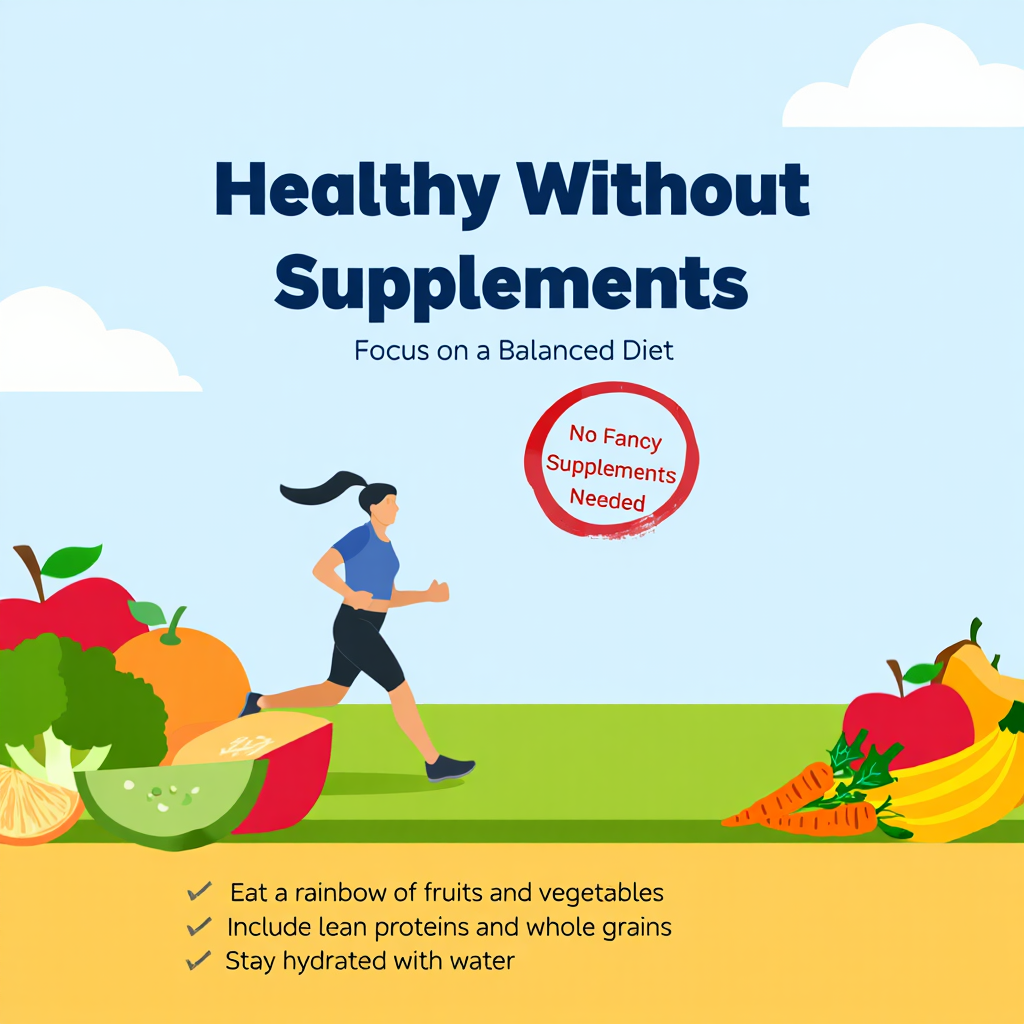
Staying healthy doesn’t have to be expensive. You don’t need fancy supplements, gym memberships, or costly foods to take care of your body. With a few smart choices, you can build a healthy lifestyle and save money at the same time.
Here’s how 👇
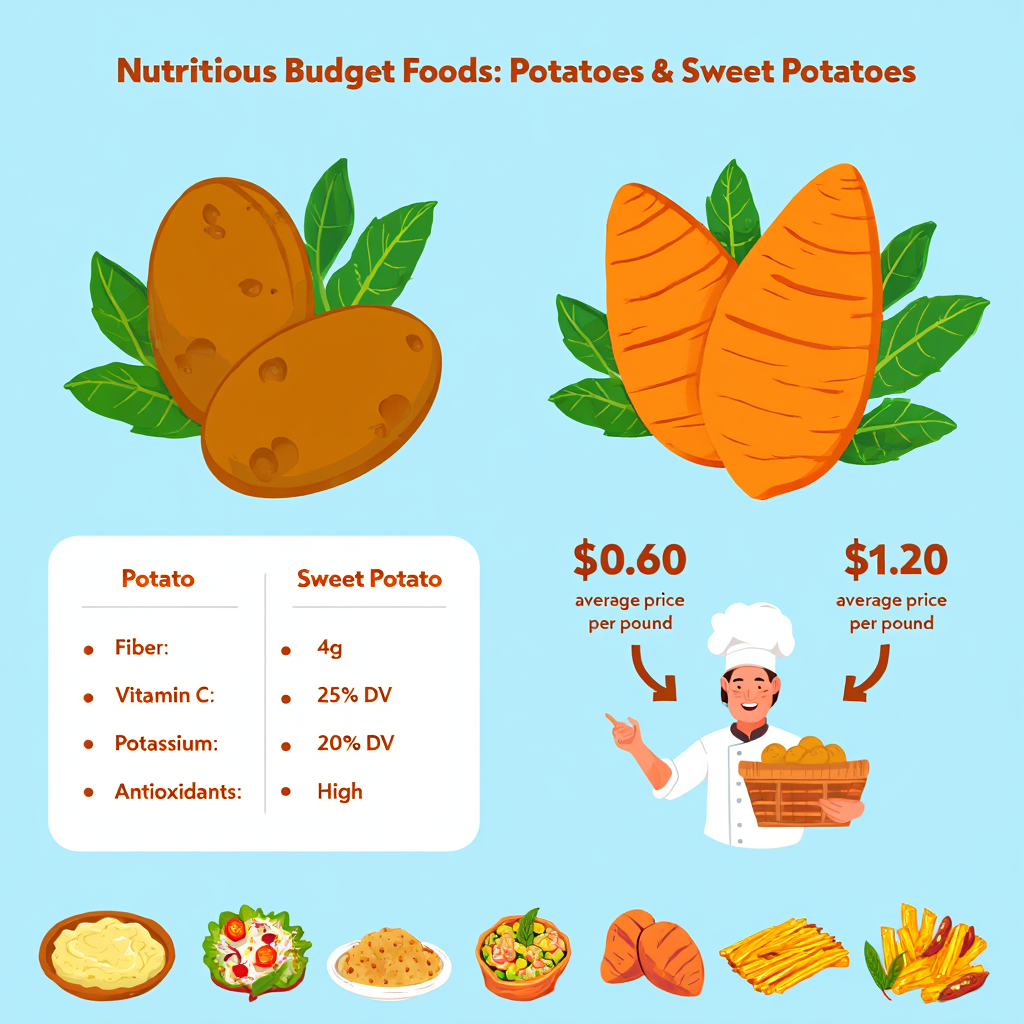
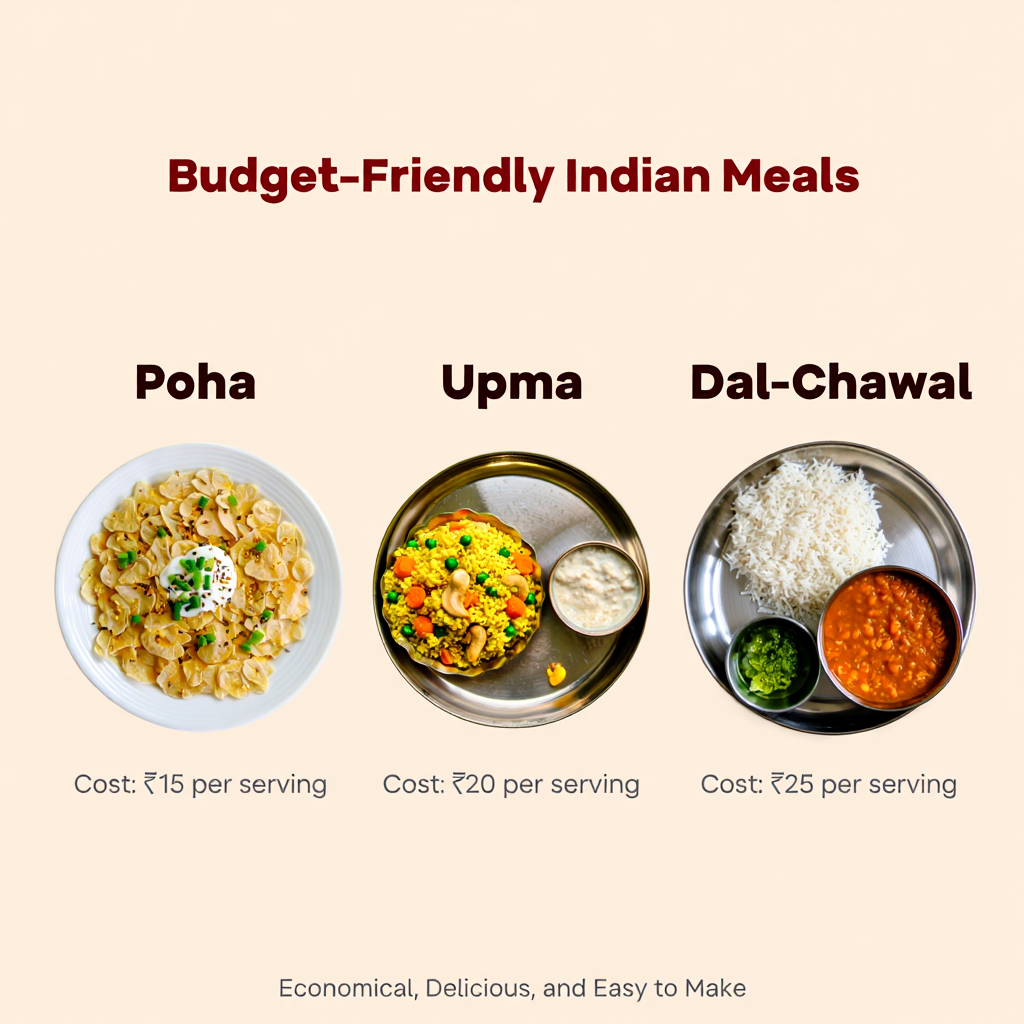
1. Choose Budget-Friendly Healthy Foods
Healthy food doesn’t mean exotic food. Stick to simple, affordable items:
You don’t need: ❌ expensive protein powders ❌ fancy diets ❌ imported foods
Simple Indian meals + consistent habits = long-term health.
Final Thoughts
Being healthy on a budget is totally possible when you: ✔ eat simple, home-cooked food ✔ shop smart ✔ stay active without spending ✔ focus on daily habits
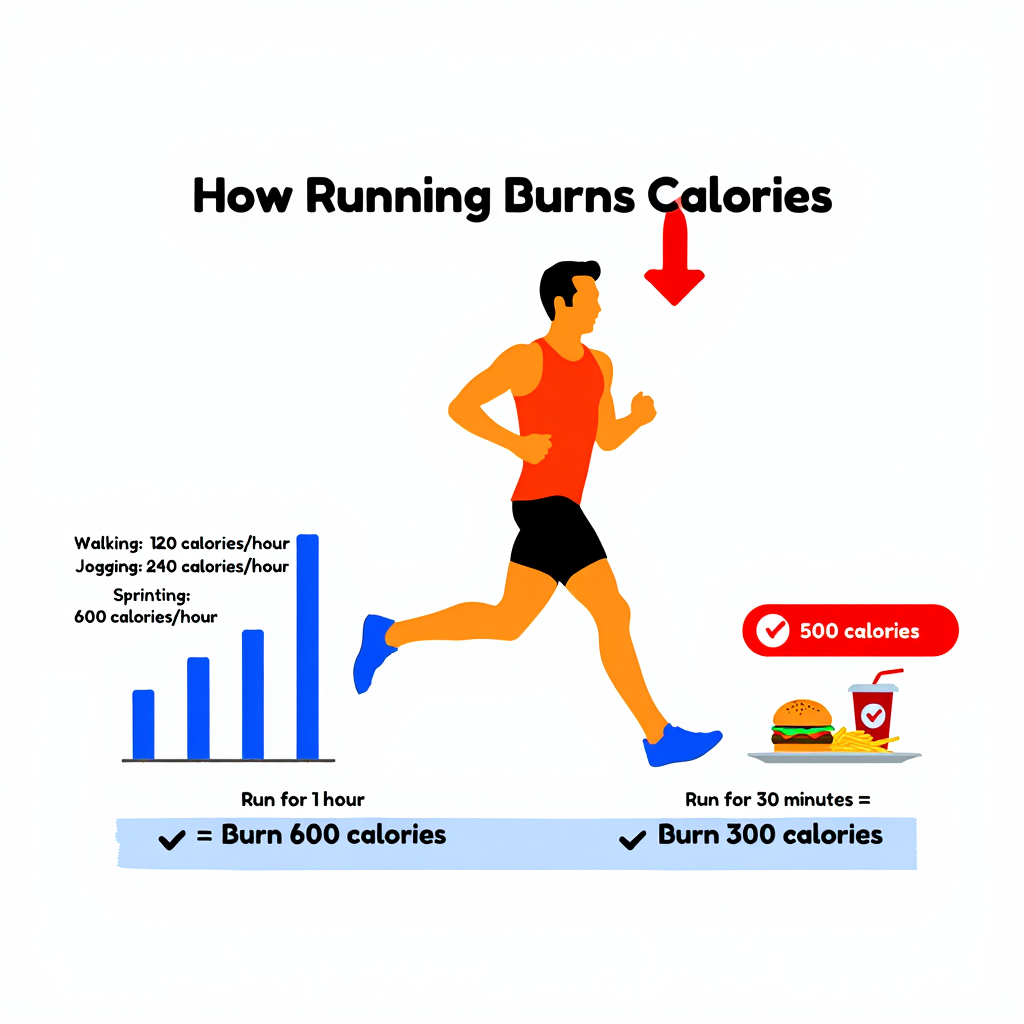
Losing weight is not just about eating less—it’s about moving right. The most effective weight-loss workouts help you burn calories, boost metabolism, and build lean muscle that continues burning fat even while you rest.
Here are the top science-backed workouts that help you lose weight quickly and safely:
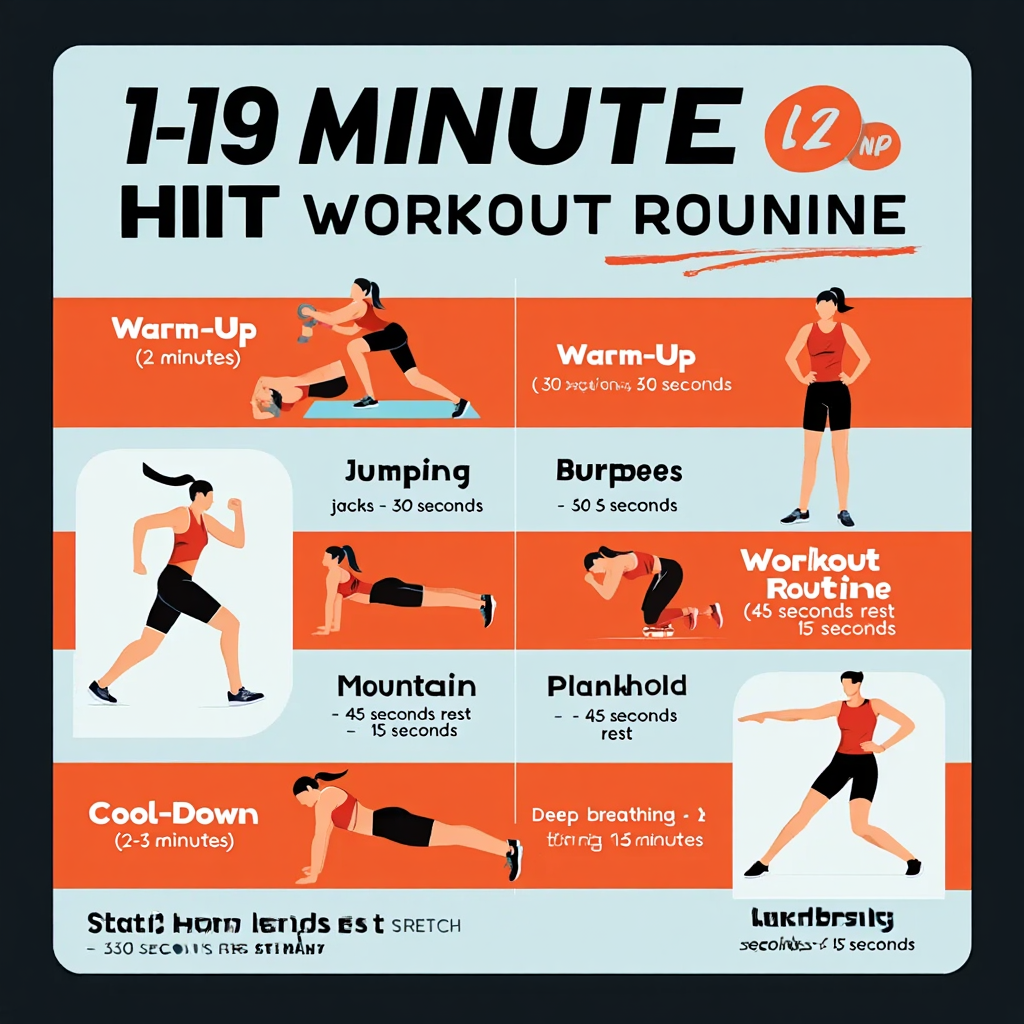
1. HIIT (High-Intensity Interval Training)
HIIT is one of the fastest and most powerful fat-burning workouts.
Why it works: Short bursts of intense exercise + rest periods = maximum calorie burn.
Example:
30 sec fast squat jumps
20 sec rest
30 sec mountain climbers
20 sec rest Repeat 10–15 minutes.
Benefits: ✔ Burns fat fast ✔ Boosts metabolism for 24 hours ✔ Works without equipment
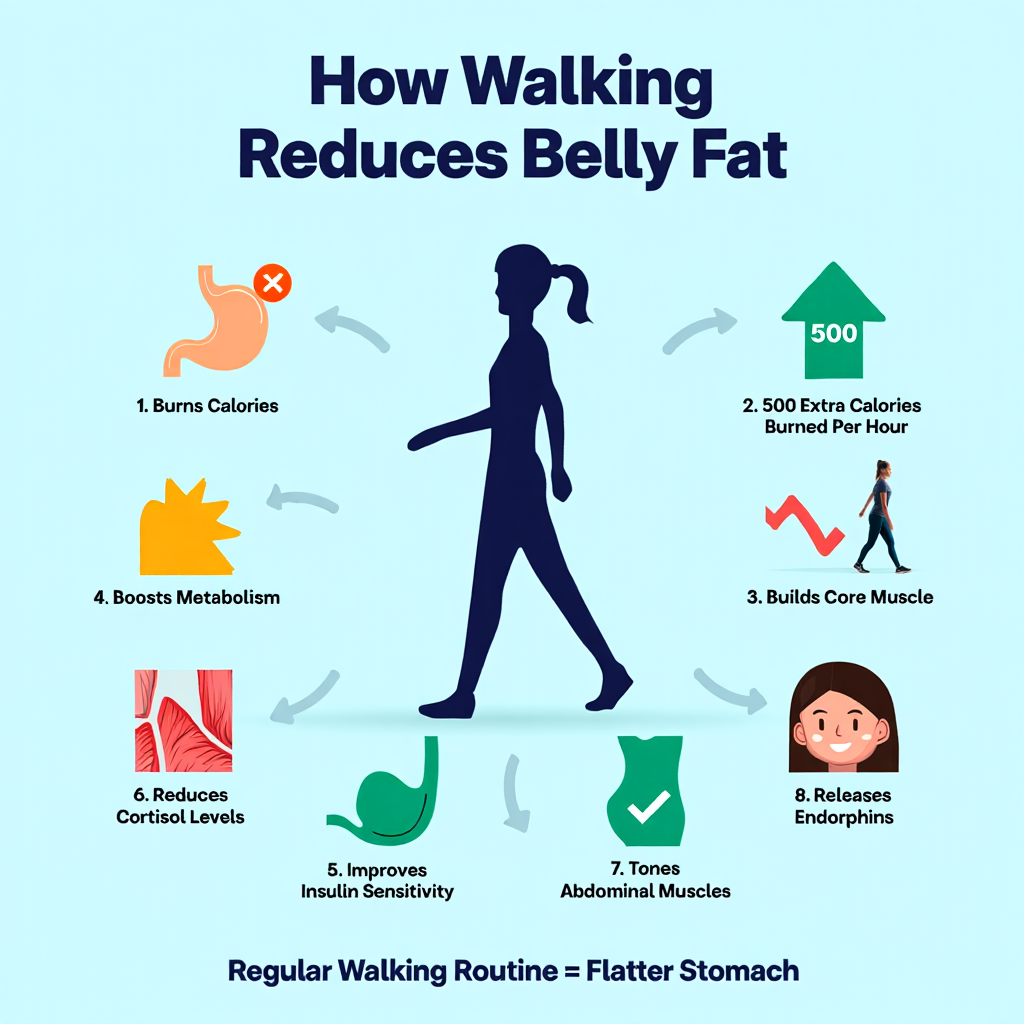
2. Walking (Simple but Super Effective)
Walking is perfect for beginners and busy people.
Why it works: It burns fat steadily without stressing your joints.
Benefits: ✔ Works whole body ✔ Saves time ✔ Boosts metabolism
Which Workout Is Best for You?
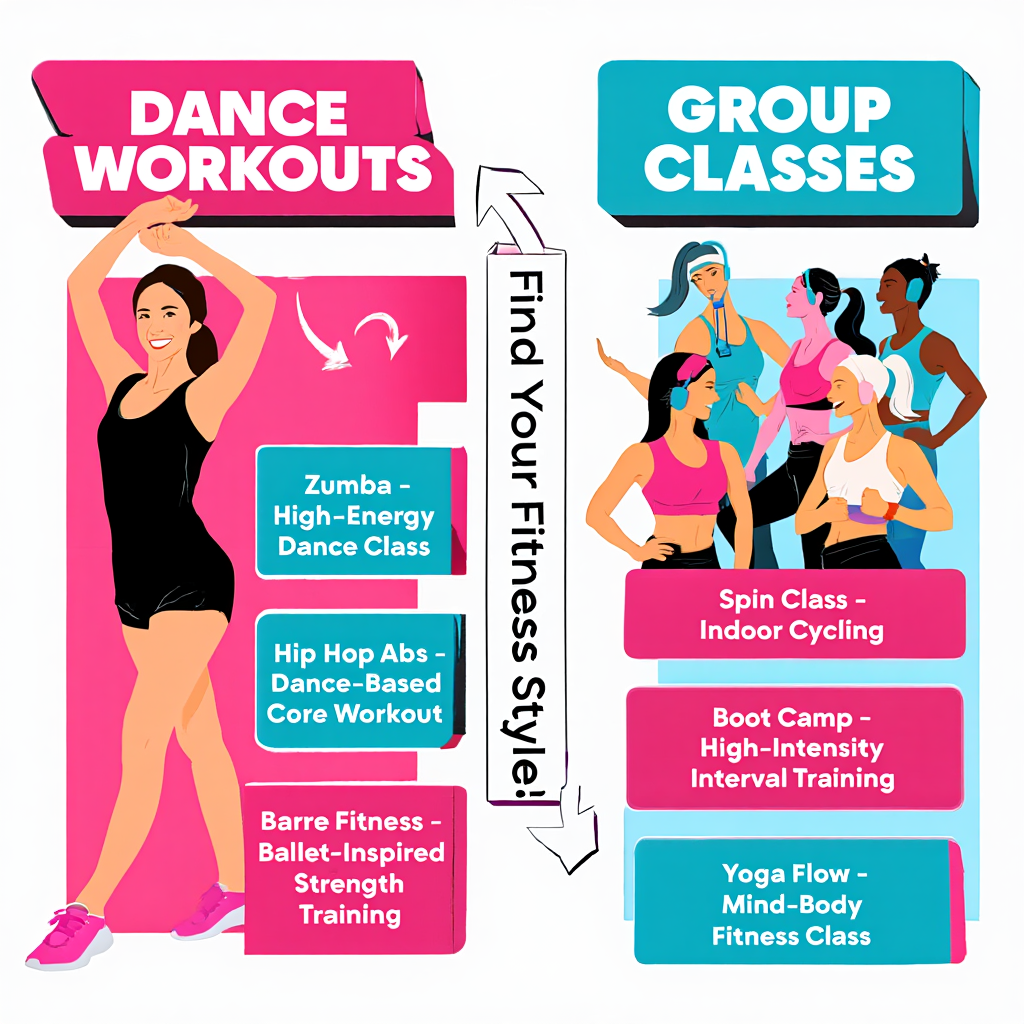
If you’re a beginner → Walking, cycling, light yoga If you want fast results → HIIT, strength training If you have joint issues → Swimming, Pilates If you want fun workouts → Dance, group classes
The real secret? 👉 Consistency beats intensity. Choose something you enjoy and stick to it.
Final Thoughts
Weight loss happens when you combine:
The right workouts
Balanced diet
Good sleep
Less stress
Choose any 2–3 workouts from this list, stay consistent, and you will see amazing changes in your body, energy, and confidence.
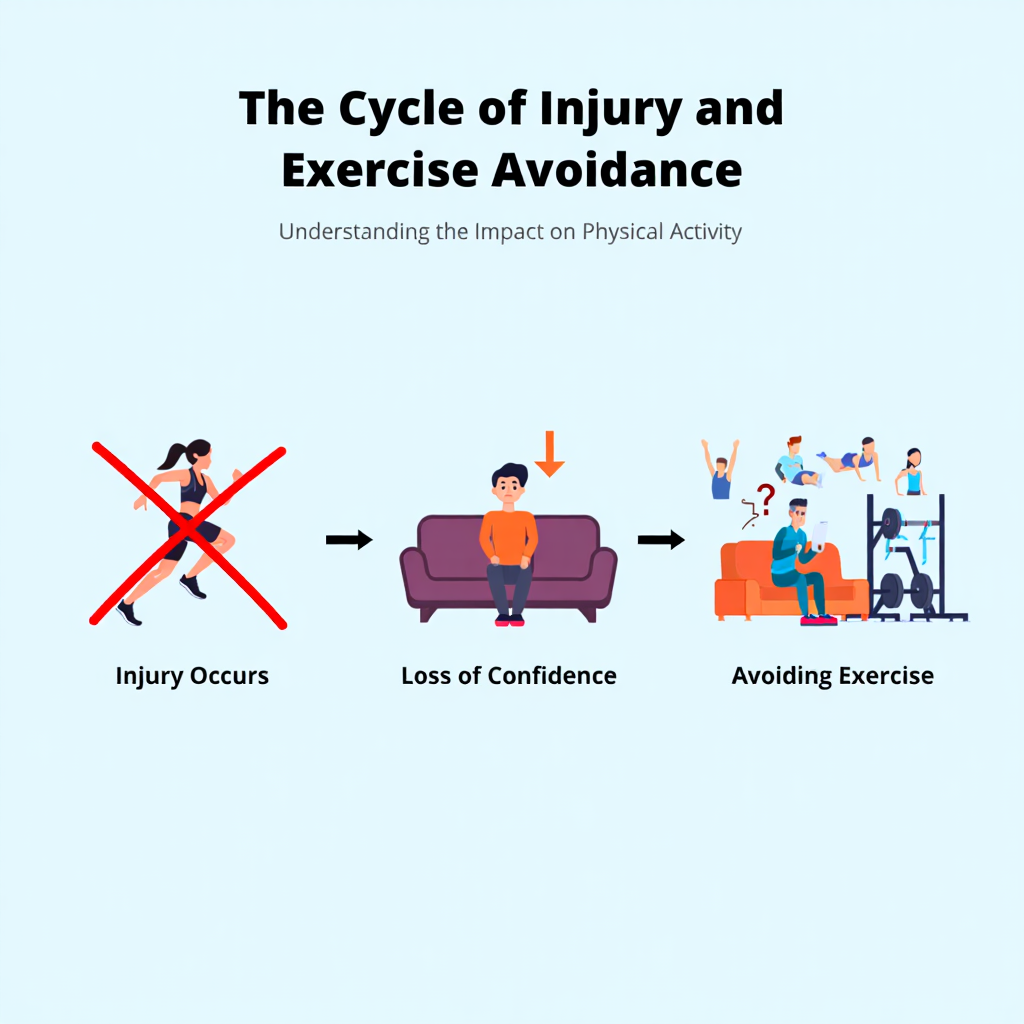
Staying active is one of the best things you can do for your health—but a single injury can slow your progress, affect your confidence, and keep you away from exercise for weeks or even months. The good news? Most workout injuries are 100% preventable with the right habits and techniques.
Here’s your complete guide to staying safe during exercise:
1. Always Warm Up Before Starting
A warm-up prepares your muscles, joints, and heart for activity.
Do this for 5–10 minutes:
Light jogging
Arm circles
Leg swings
Dynamic stretches
Jumping jacks
Warming up increases blood flow and prevents tears or strains.
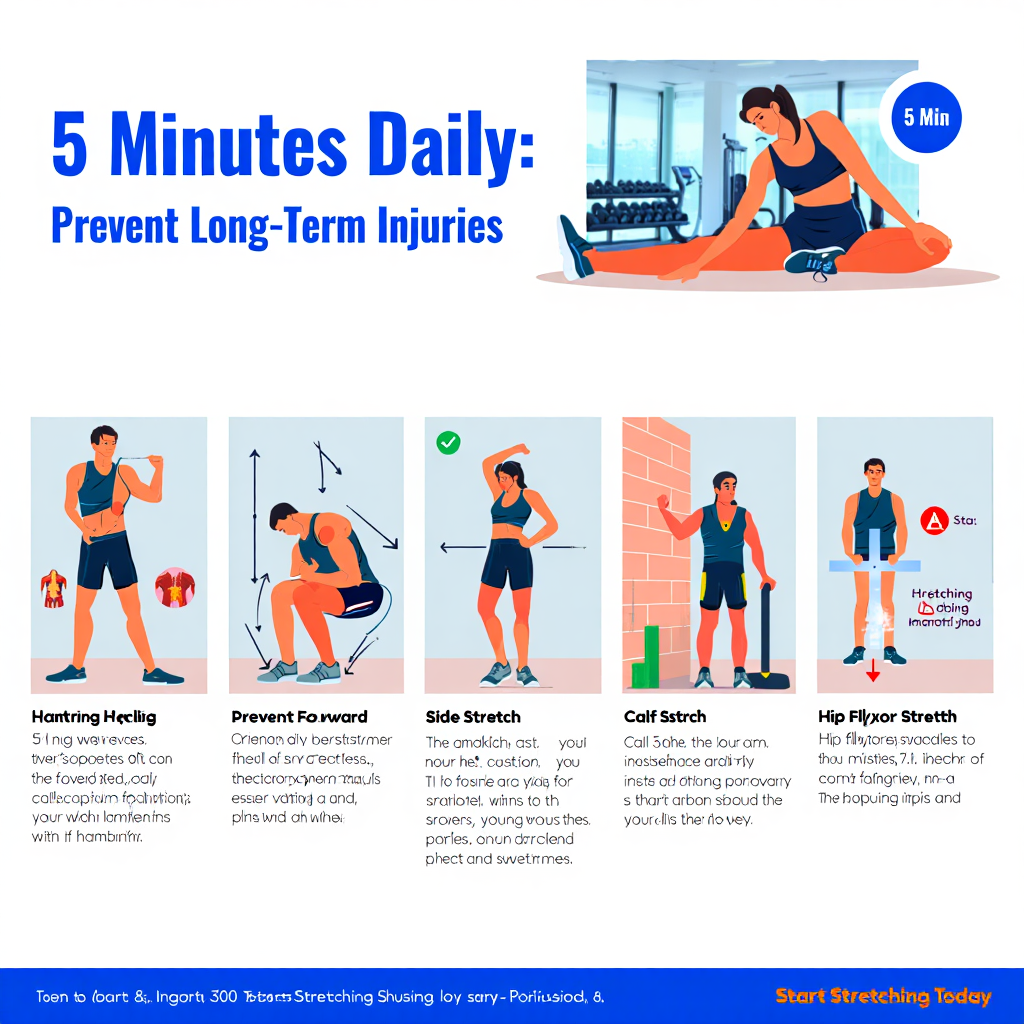
2. Don’t Skip Stretching
Stretching keeps your muscles flexible and reduces tightness.
Do static stretches after a workout:
Hamstring stretch
Quad stretch
Chest stretch
Shoulder stretch
Just 5 minutes can prevent long-term injuries.
3. Use Correct Form
Most injuries happen because of bad posture or incorrect technique.
Tips:
Watch tutorials
Ask a trainer to guide you
Start slow and build your form
Never rush heavy lifting
Proper form protects your joints and muscles.
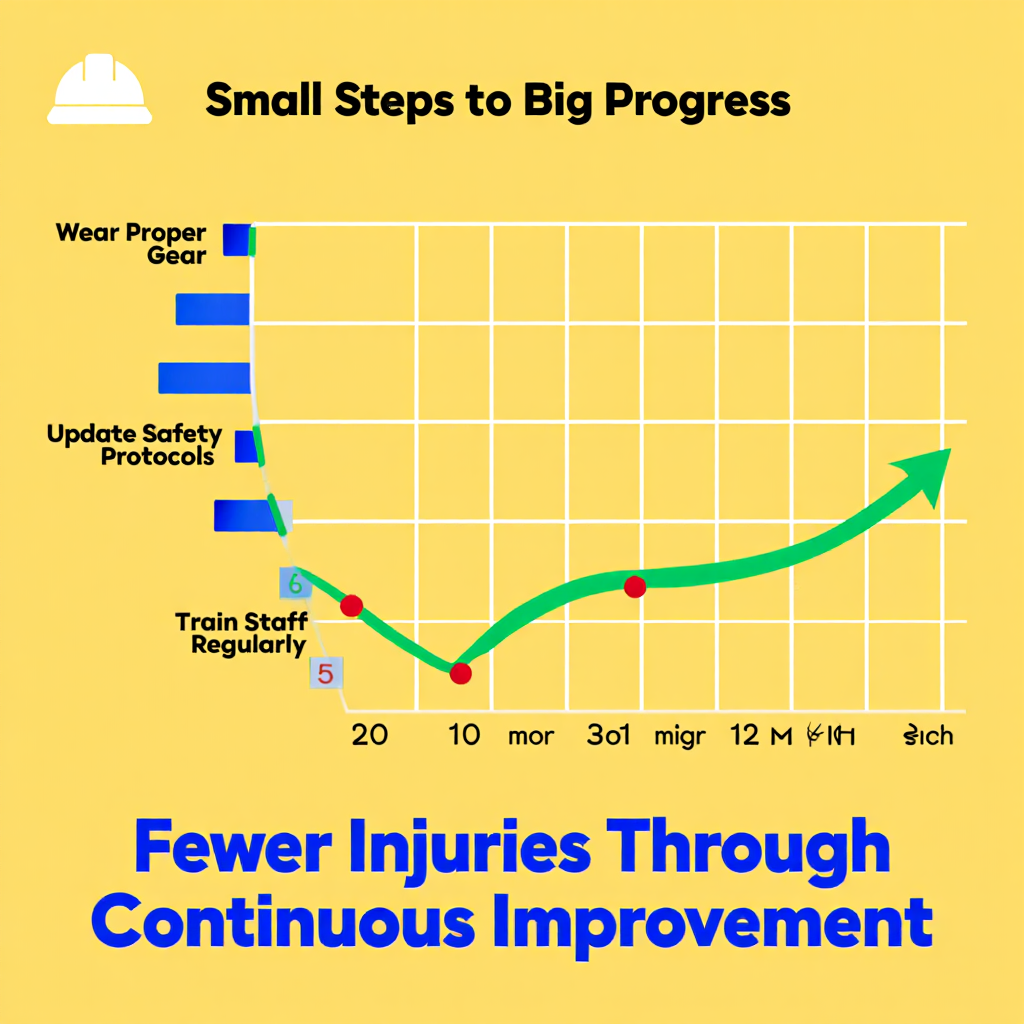
4. Start Slow & Progress Gradually
Beginners often push too hard, too fast.
Follow the 10% Rule: Increase your intensity, weight, or duration by no more than 10% per week.
Small progress = fewer injuries + steady improvement.
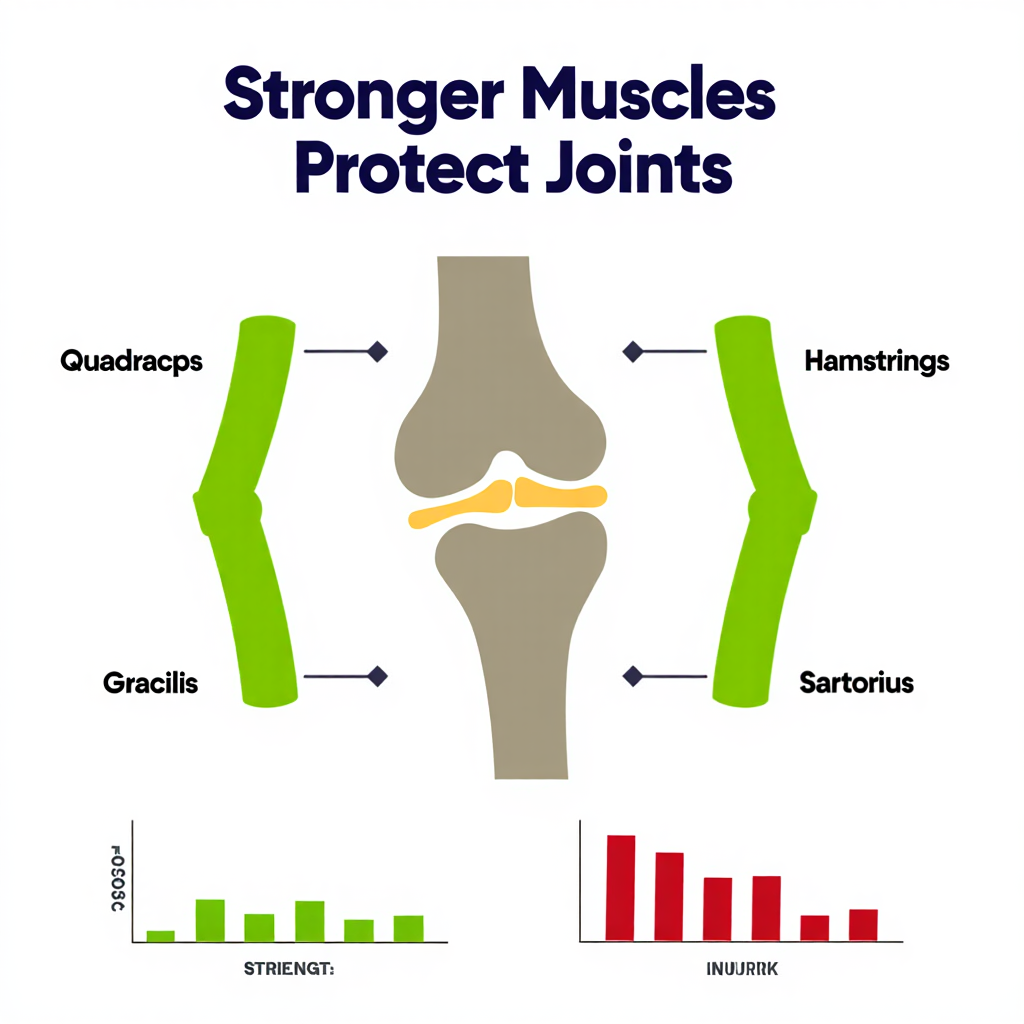
5. Prioritize Strength Training
Stronger muscles protect your joints.
Focus on:
Core exercises
Glutes
Back muscles
Legs
A strong body handles stress better and reduces injury risks.
6. Listen to Your Body
Pain is a warning sign.
Stop immediately if you feel:
Sharp pain
Sudden stiffness
Dizziness
Swelling
Numbness
Ignoring pain leads to serious injury.
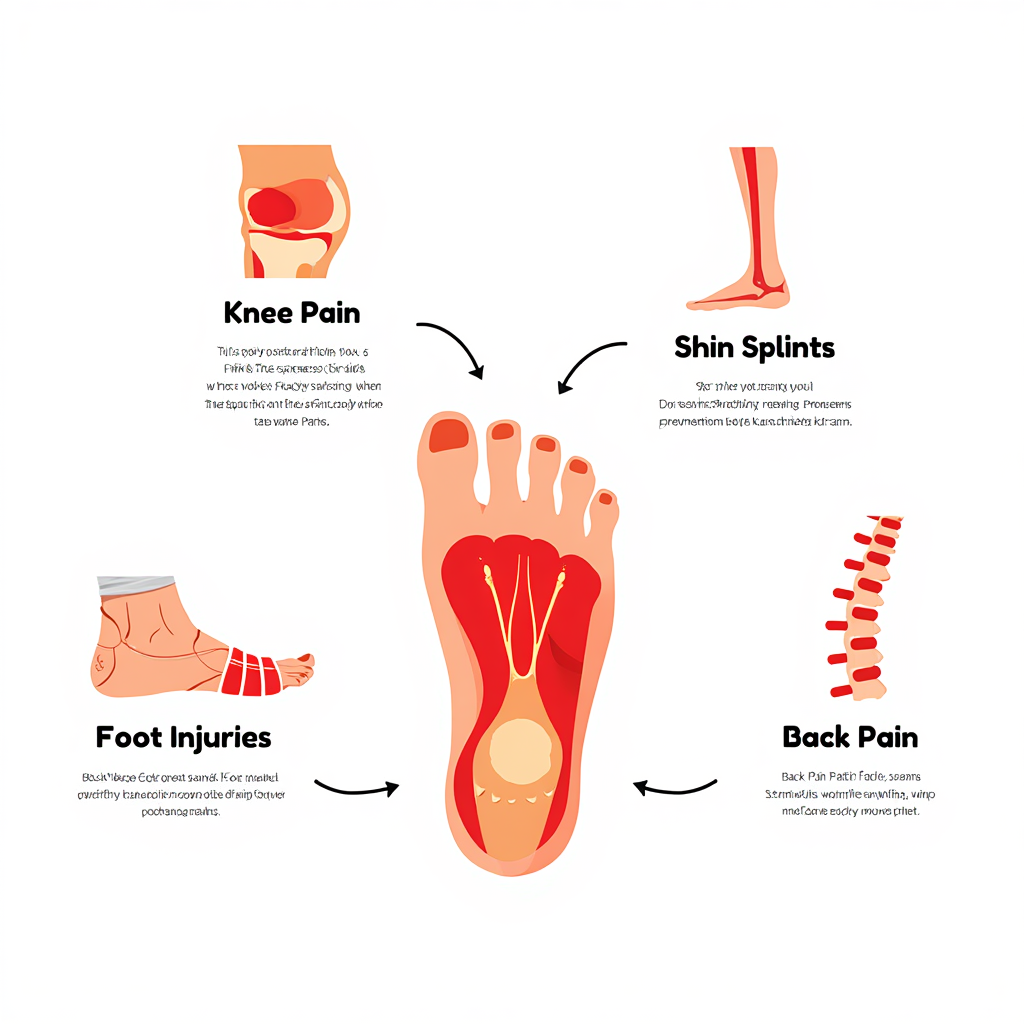
7. Use the Right Shoes & Equipment
Wearing the wrong shoes can cause:
Knee pain
Shin splints
Back pain
Foot injuries
Choose shoes based on your activity:
Running shoes
Training shoes
Weightlifting shoes
Good equipment = safe workouts.
8. Stay Hydrated
Dehydration increases muscle cramps and fatigue.
Drink:
1 glass before your workout
Sips during
Water afterward
Hydrated muscles are stronger and more flexible.
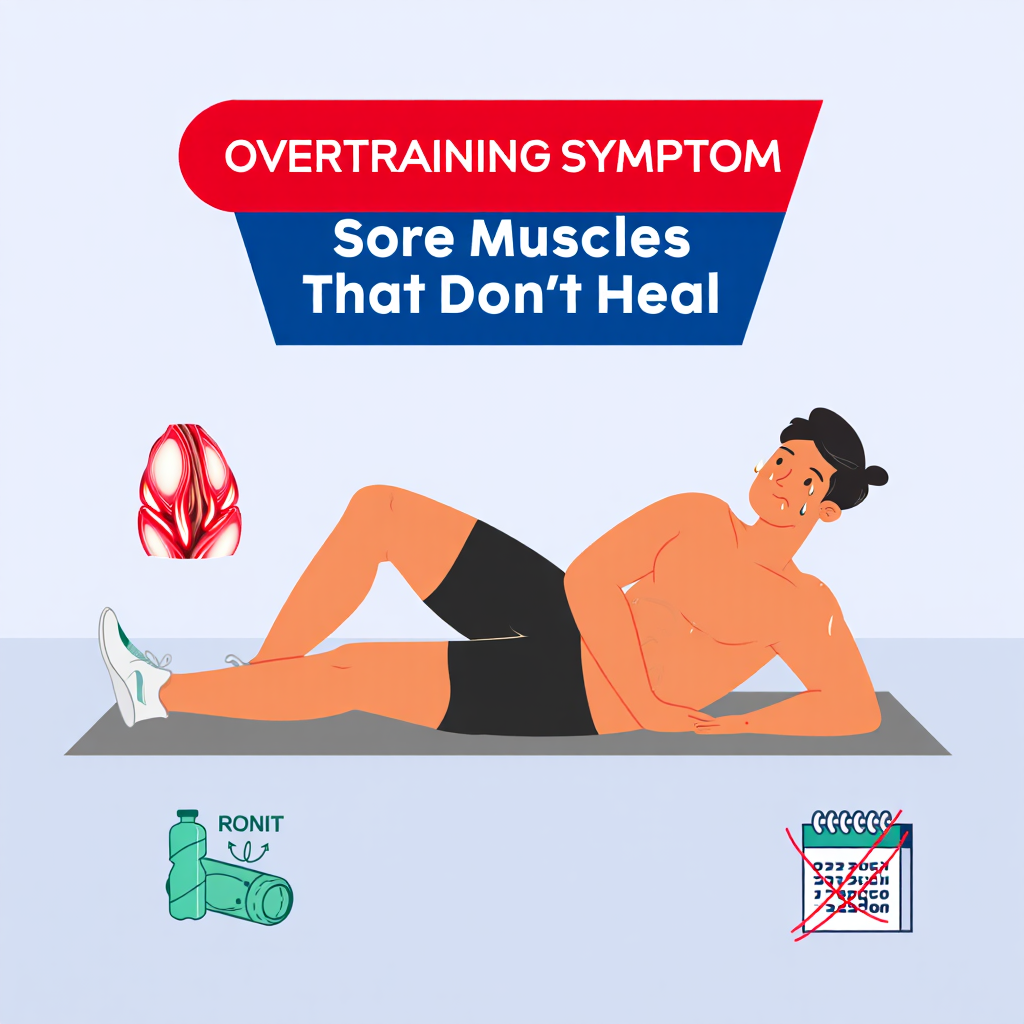
9. Avoid Overtraining
More is not always better.
Signs of overtraining:
Constant fatigue
Mood swings
Decreased performance
Sore muscles that don’t heal
Trouble sleeping
Rest is part of the process.
10. Take Rest Days
Your body needs time to repair and grow.
Have 1–2 rest days per week. Try:
Walking
Gentle stretching
Yoga
Rest days keep you injury-free and improve performance.
11. Cool Down Properly
A cool-down lowers your heart rate and relaxes your muscles.
Do:
Gentle walking
Light stretching
Deep breathing
This helps prevent stiffness and soreness.
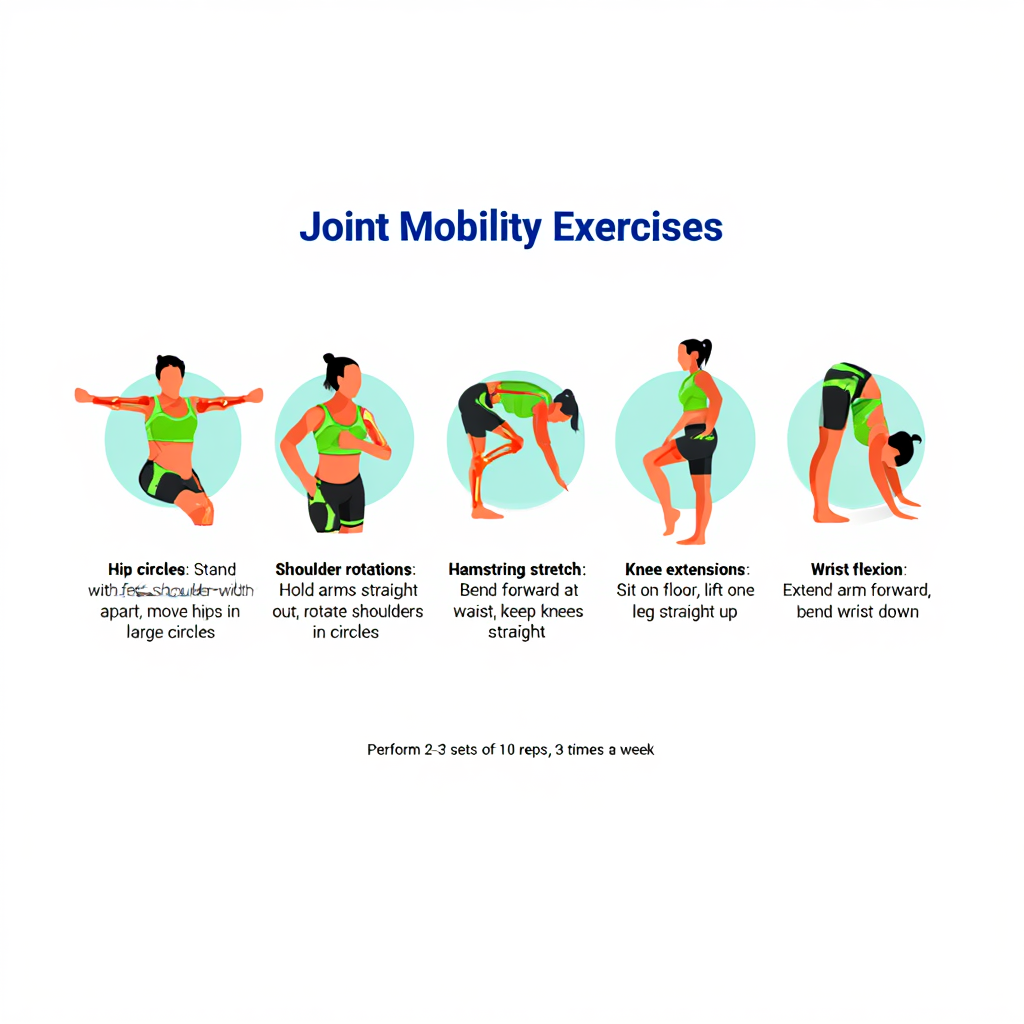
12. Include Mobility Work
Mobility exercises keep your joints healthy.
Try:
Hip mobility drills
Shoulder rotations
Ankle mobility
Foam rolling
Just 5 minutes a day can make a huge difference.
Final Thoughts
Workout injuries are preventable with mindful, safe habits. Warm up well, maintain good form, listen to your body, stay hydrated, and take regular rest. These small actions keep you consistent, strong, and injury-free so you can enjoy your fitness journey without setbacks.
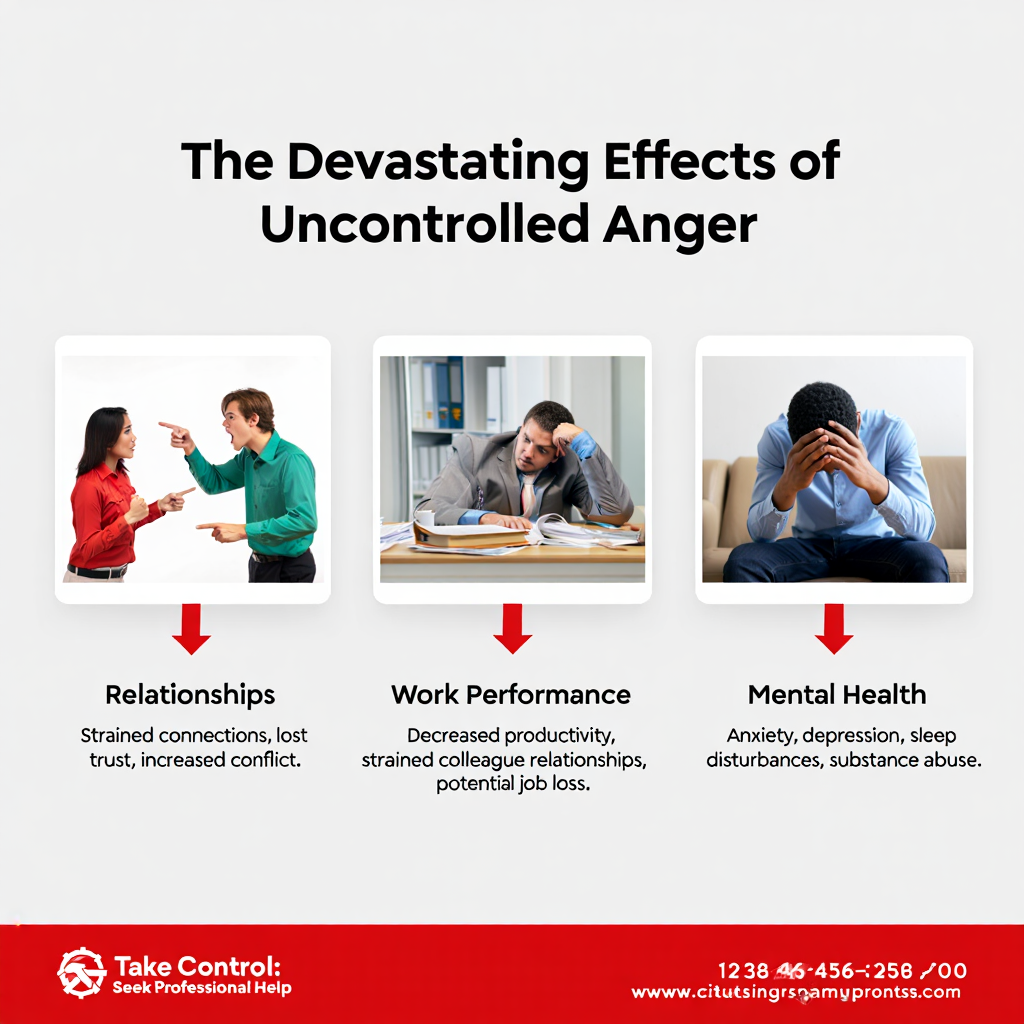
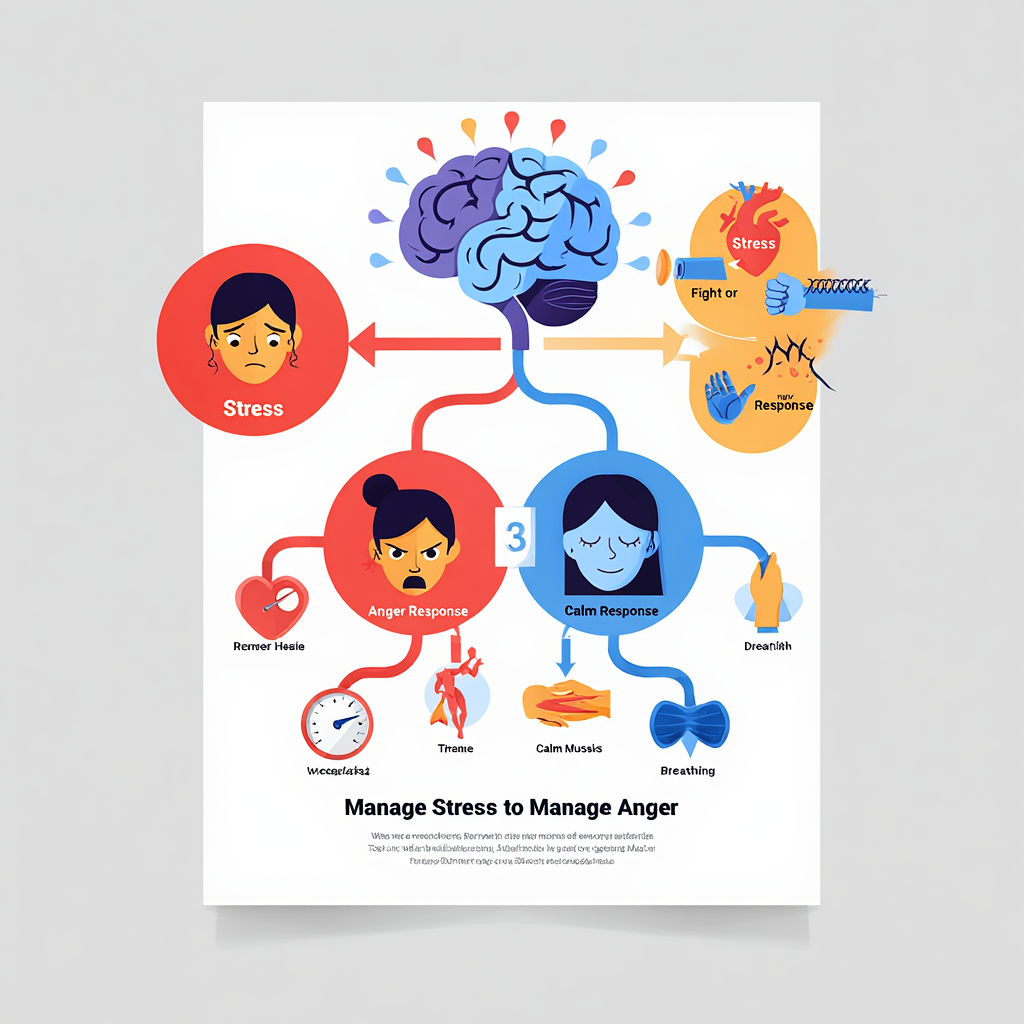
Anger is a natural human emotion—everyone feels it. But when anger becomes frequent, intense, or difficult to control, it can affect your relationships, work, and mental health. The good news? With the right techniques, you can learn to manage anger before it controls you.
This guide will help you understand anger, why it happens, and powerful techniques to manage it effectively.
Why Do We Get Angry?
Anger is the body’s reaction to:
Stress
Frustration
Feeling unheard or misunderstood
Pain (emotional or physical)
Feeling threatened
Overwhelming responsibilities
It’s not the anger that causes trouble—it’s how we express it.
Effective Anger Management Techniques
1. Practice Deep Breathing
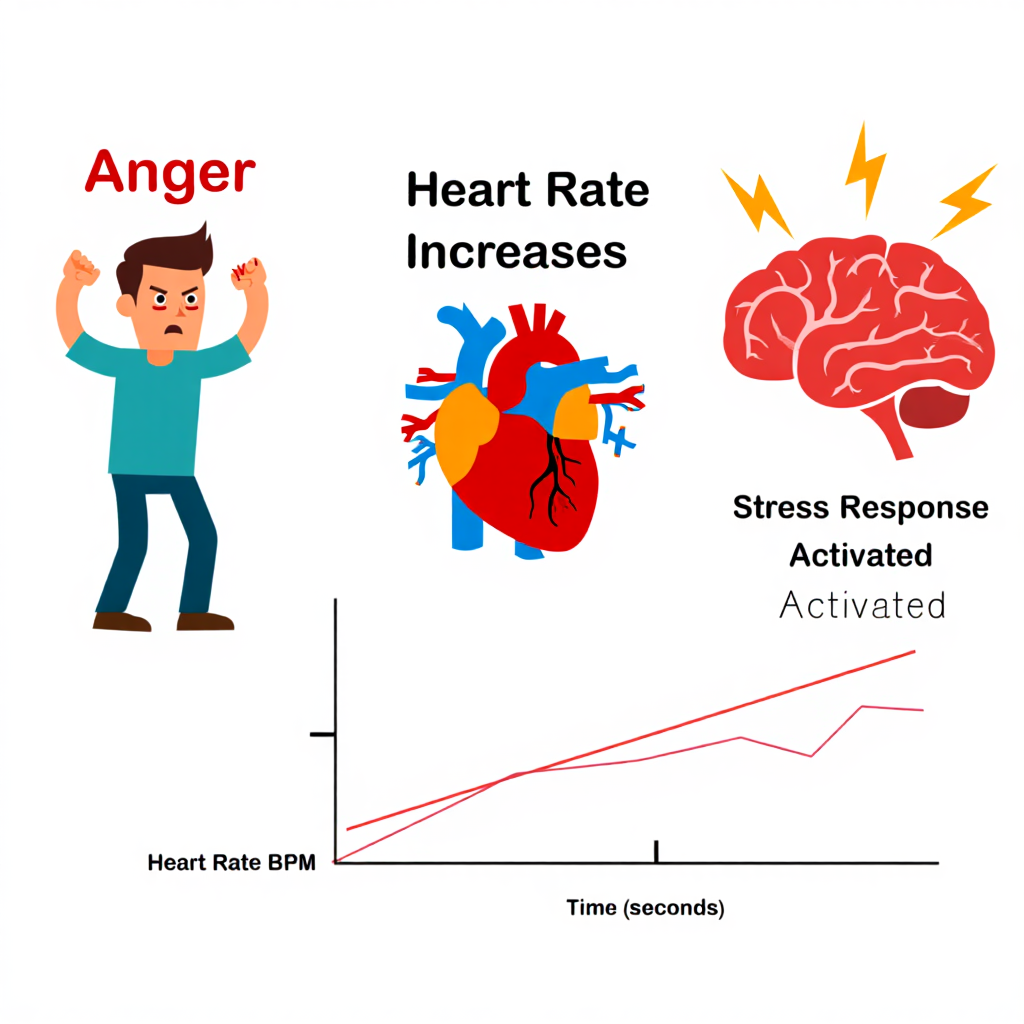
When you’re angry, your heart rate increases. Slow breathing calms your nervous system.
Try this: Inhale for 4 seconds → Hold for 4 → Exhale for 4 → Repeat 5–10 times.
2. Use the “Pause & Respond” Rule
Before reacting:
Stop for 5–10 seconds
Take a deep breath
Choose a calmer response
This prevents hurtful words or impulsive decisions.
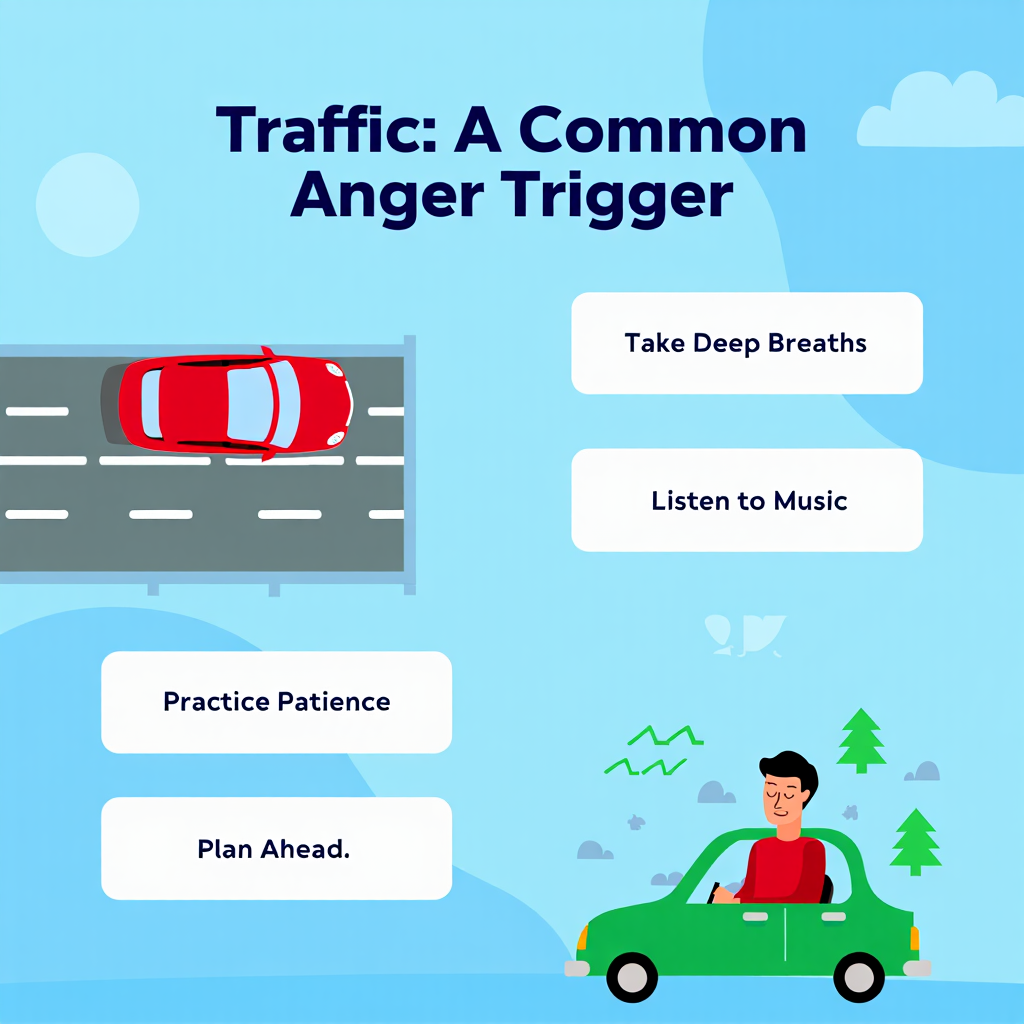
3. Identify Your Triggers
Write down situations that make you angry. Common triggers:
Traffic
Being interrupted
Disrespect
Lack of sleep
Financial stress
Understanding your triggers helps you prevent future outbursts.
4. Practice Mindfulness
Mindfulness brings your attention to the present moment.
Try:
Sitting quietly with your breath
Observing thoughts without reacting
Guided meditation for 5 minutes
This strengthens emotional control.
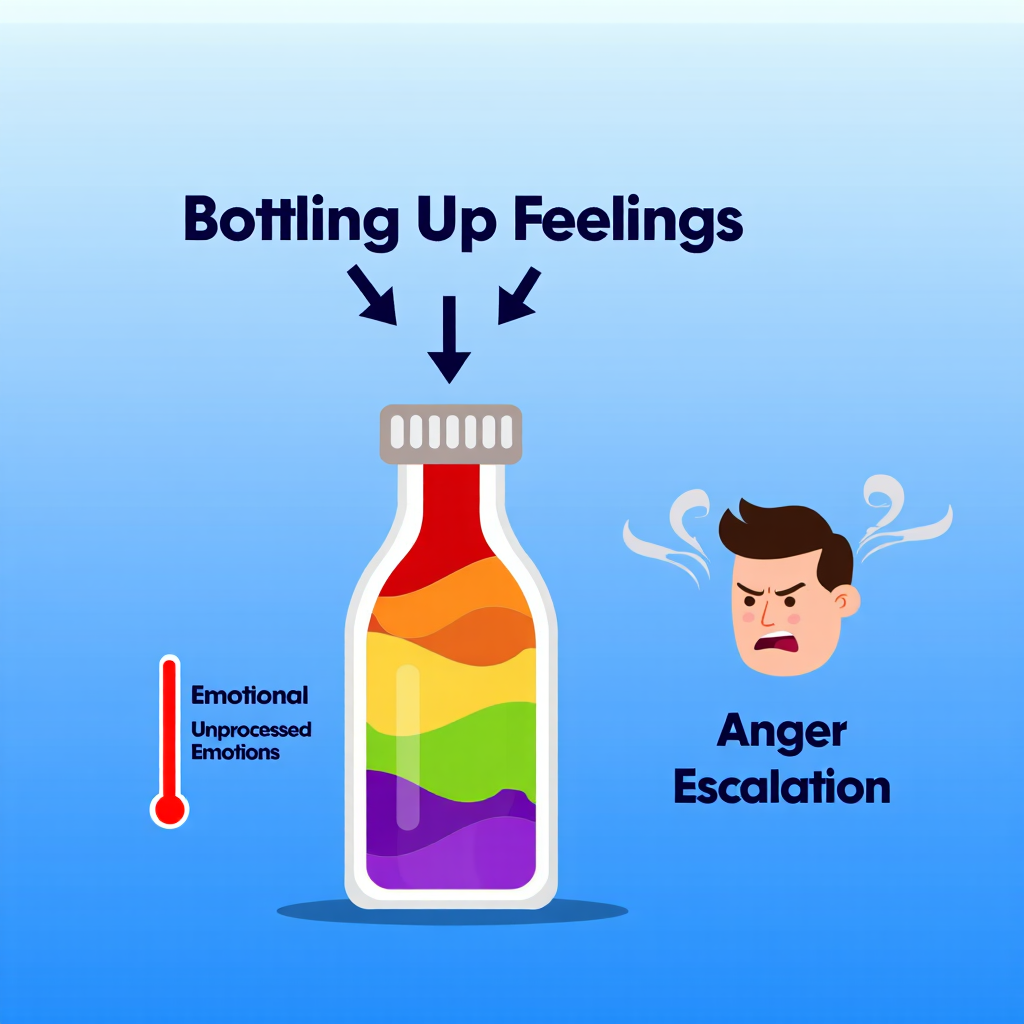
5. Communicate Clearly and Honestly
Anger often rises when we bottle up feelings. Express your thoughts calmly:
Use “I feel…” instead of “You always…”
Focus on solutions instead of blame
This reduces misunderstandings.
6. Take a Break (The Time-Out Technique)
If you feel your anger rising:
Step out of the room
Go for a walk
Drink water
Splash your face
Count to 50
Short breaks reset your mind.
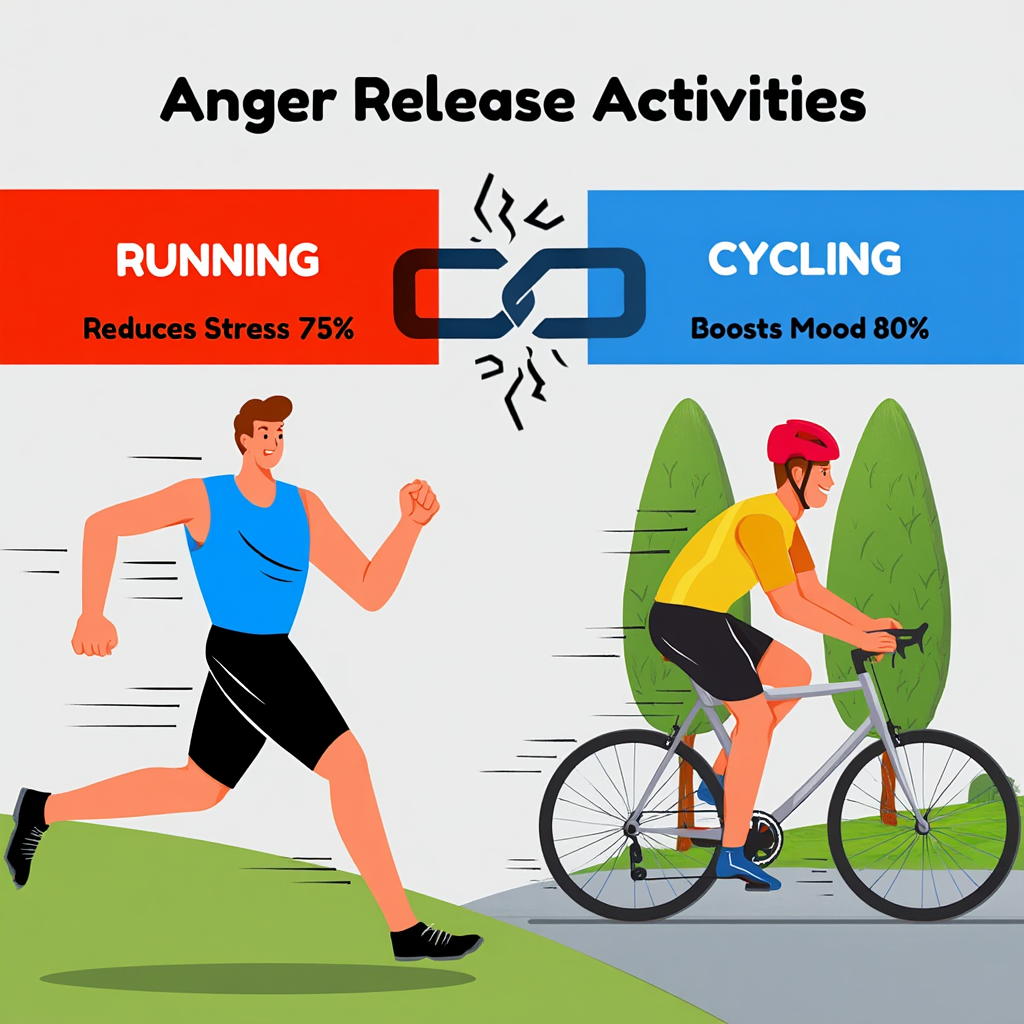
7. Exercise Regularly
Physical activity releases stress hormones and boosts mood.
Even 15–20 minutes helps:
Walking
Cycling
Running
Yoga
Exercise keeps your emotions balanced.
8. Improve Your Sleep
Lack of rest makes emotions unstable. Aim for 7–8 hours to prevent irritability and anger spikes.
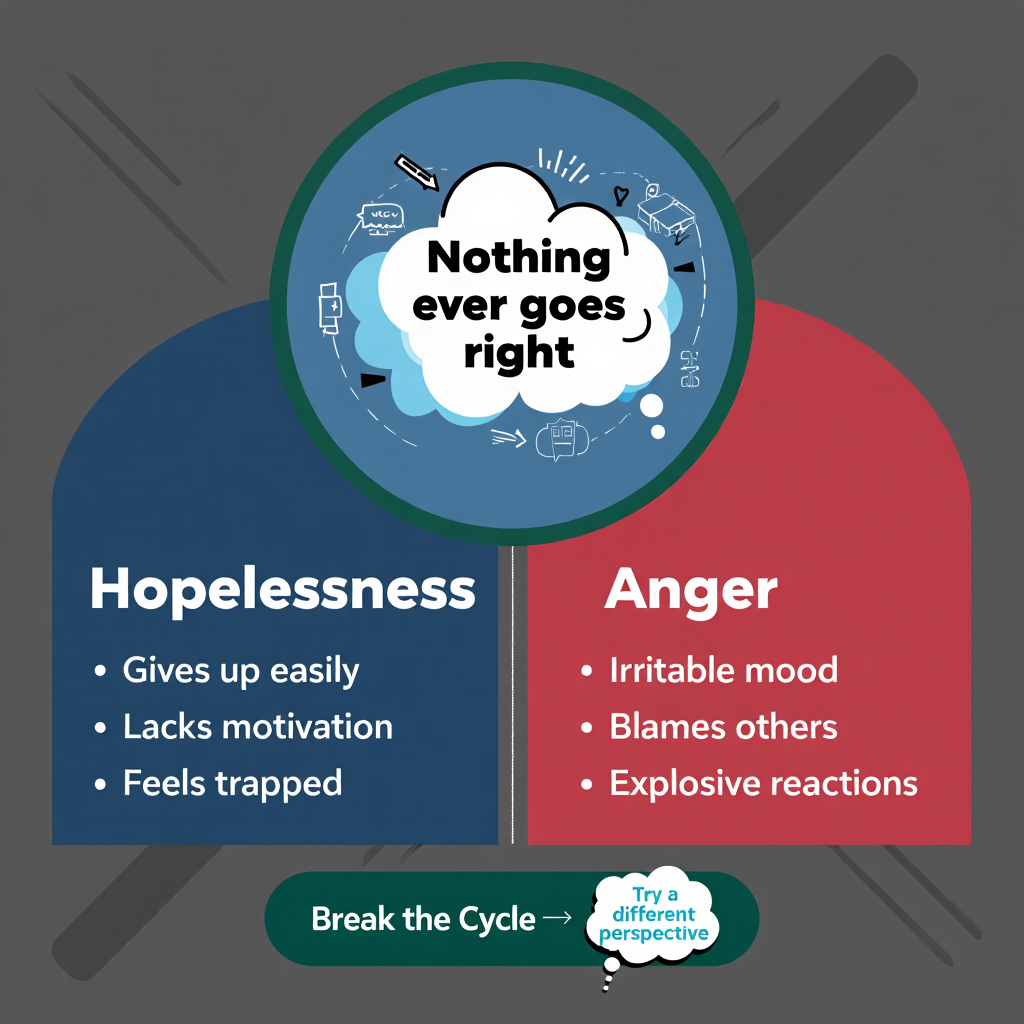
9. Challenge Negative Thoughts
Anger grows from thoughts like:
“This always happens!”
“They don’t respect me!”
“Nothing ever goes right!”
Replace them with:
“I can handle this.”
“Let me think calmly.”
“This is temporary.”
10. Use Physical Grounding Techniques
To calm your brain instantly:
Touch something cold
Hold a stress ball
Focus on your feet touching the ground
Name 5 things you see around you
This reduces emotional intensity.
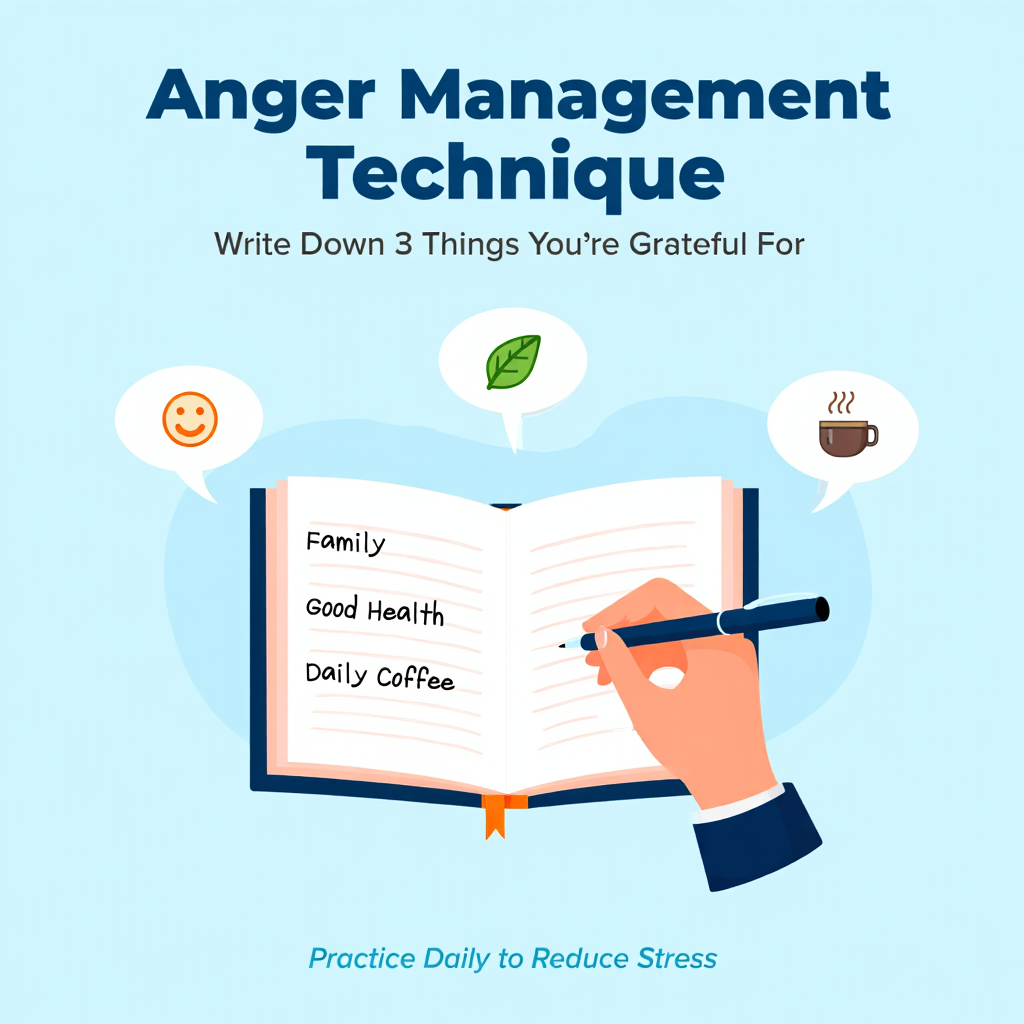
11. Practice Gratitude Daily
Write 3 things you’re grateful for. This shifts your mind toward positive thinking, reducing anger over time.
12. Seek Support When Needed
If anger affects your relationships or daily life, talking to:
A therapist
A counselor
A support group
can be extremely helpful.
Final Thoughts
Anger is normal—but uncontrolled anger is harmful. With small daily practices, you can become calmer, more patient, and emotionally stronger. These anger management techniques will help you handle situations wisely and respond instead of reacting.
Being a working professional—or a hands-on dad—means your time belongs to everyone else. Work deadlines, family responsibilities, school runs, and household tasks often leave little room for fitness. But staying healthy doesn’t need hours in the gym. With the right habits, you can stay fit, strong, and energetic even with a packed schedule.
Here are simple, realistic fitness tips designed exactly for busy professionals and dads:
⭐ 1. Start With Small, Consistent Workouts
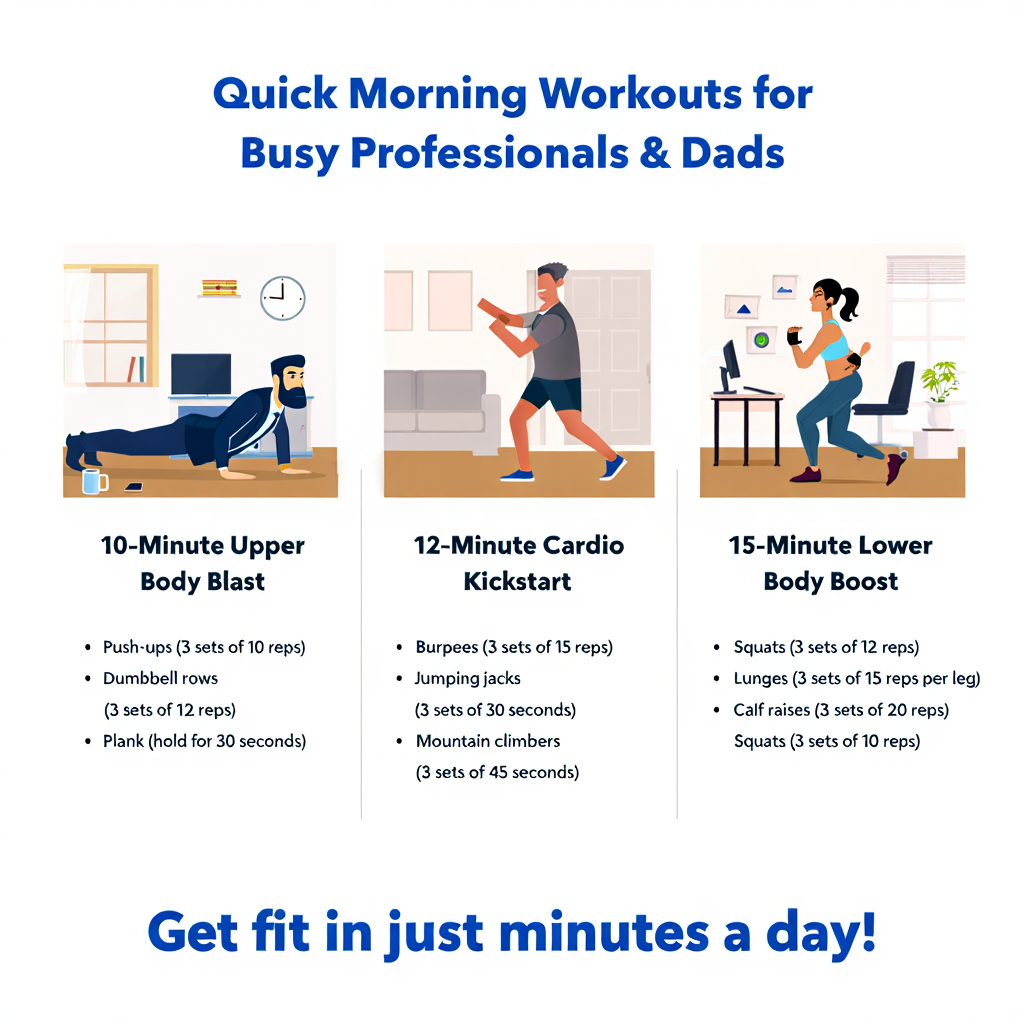
You don’t need 1 hour. You only need 10–20 minutes.
Try:
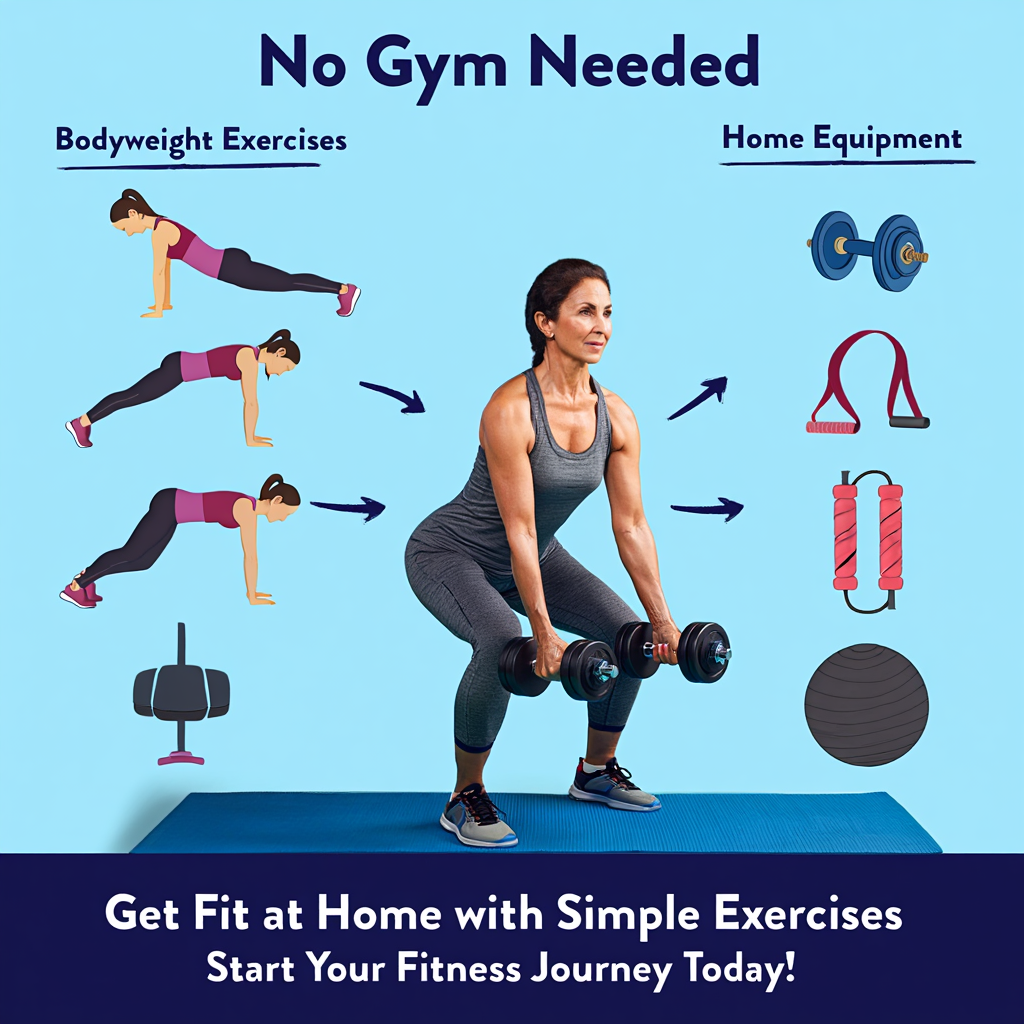
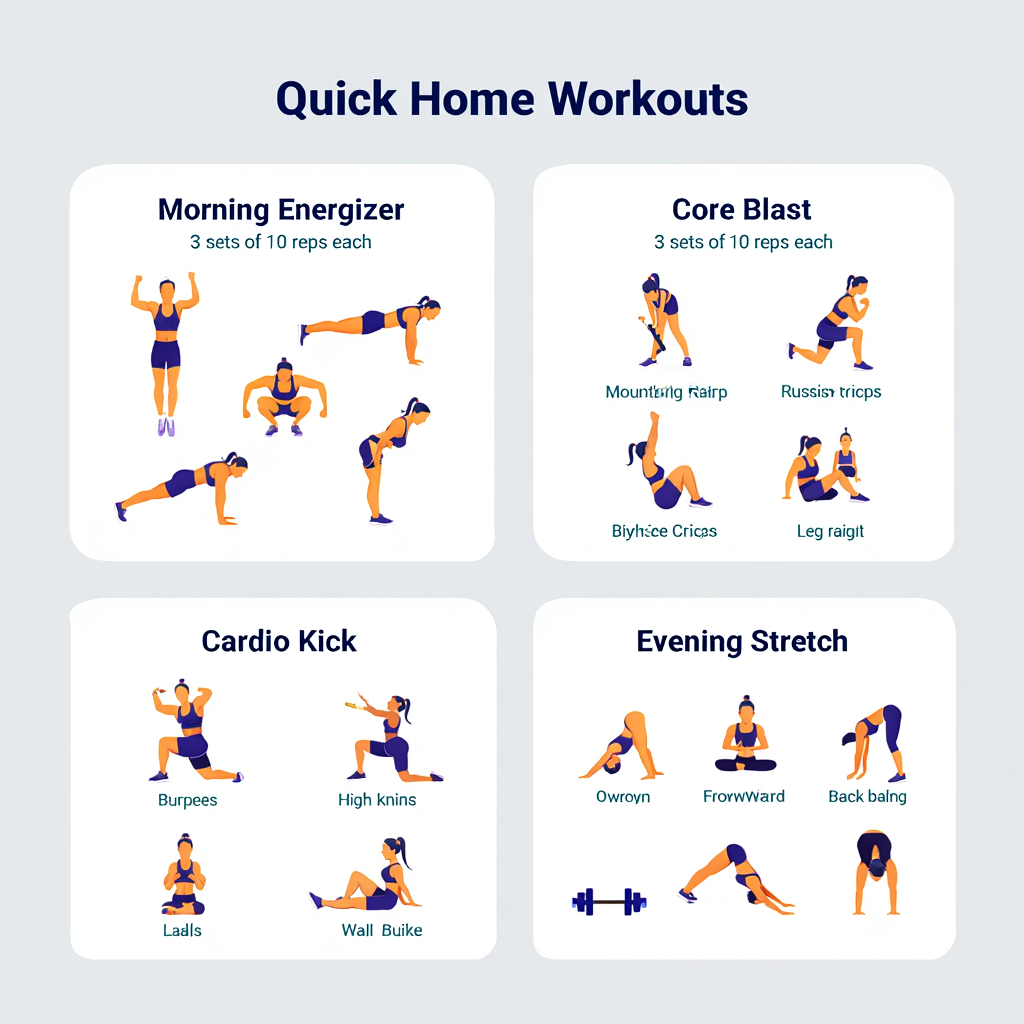
Quick home workout
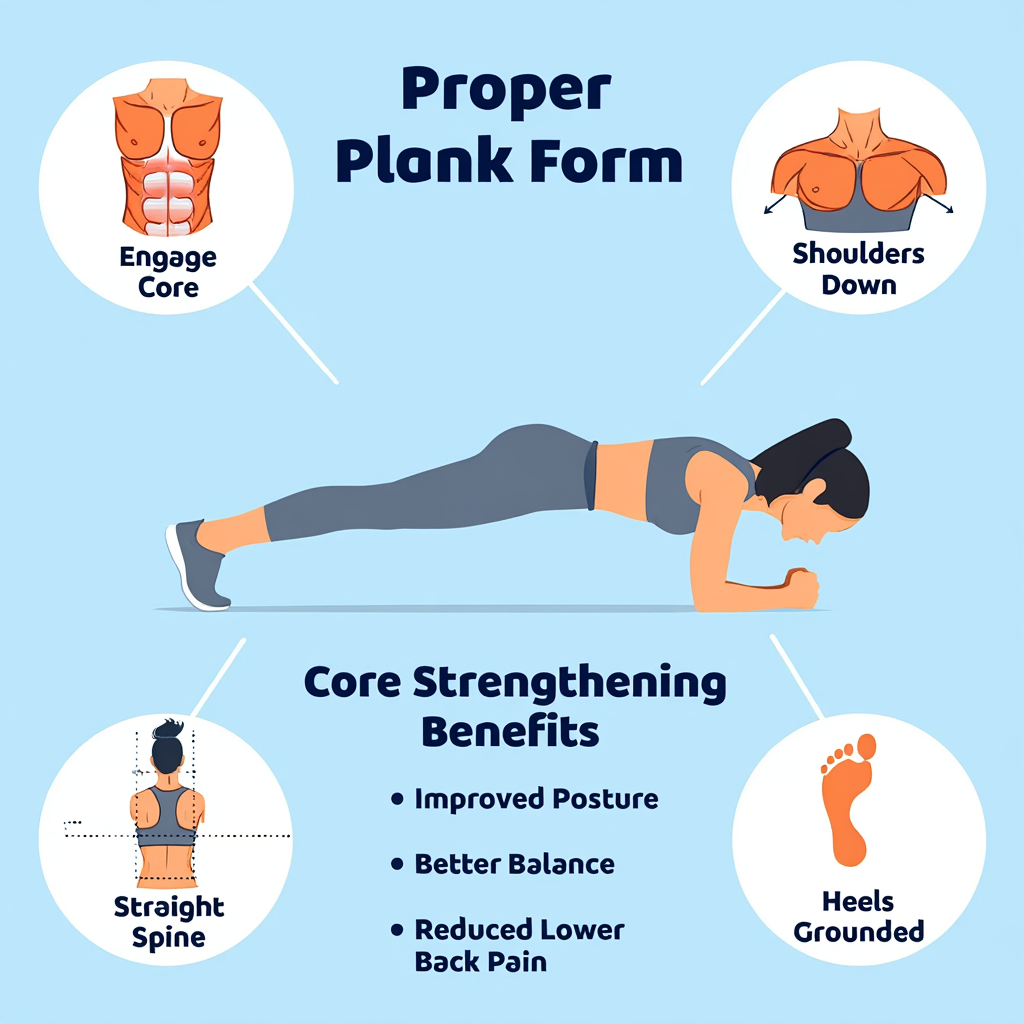
Bodyweight exercises (push-ups, planks, squats)
15-minute HIIT routine
Consistency > Intensity.
⭐ 2. Use Your Mornings
Early mornings are the quietest time. Even 15 minutes can improve your energy, focus, and mood for the entire day.
Tip: Lay out your workout clothes at night.
⭐ 3. Include Your Kids in Your Fitness Routine
Turn playtime into exercise:
Walk with your kids
Ride bicycles
Play football or badminton
Do simple stretches together
This keeps you fit and strengthens your bond.
⭐ 4. Take Advantage of Short Breaks
Use micro-breaks throughout the day:
Do 20 squats while the coffee brews
Walk during phone calls
Stretch every 1–2 hours
Take stairs instead of the elevator
These small movements add up.
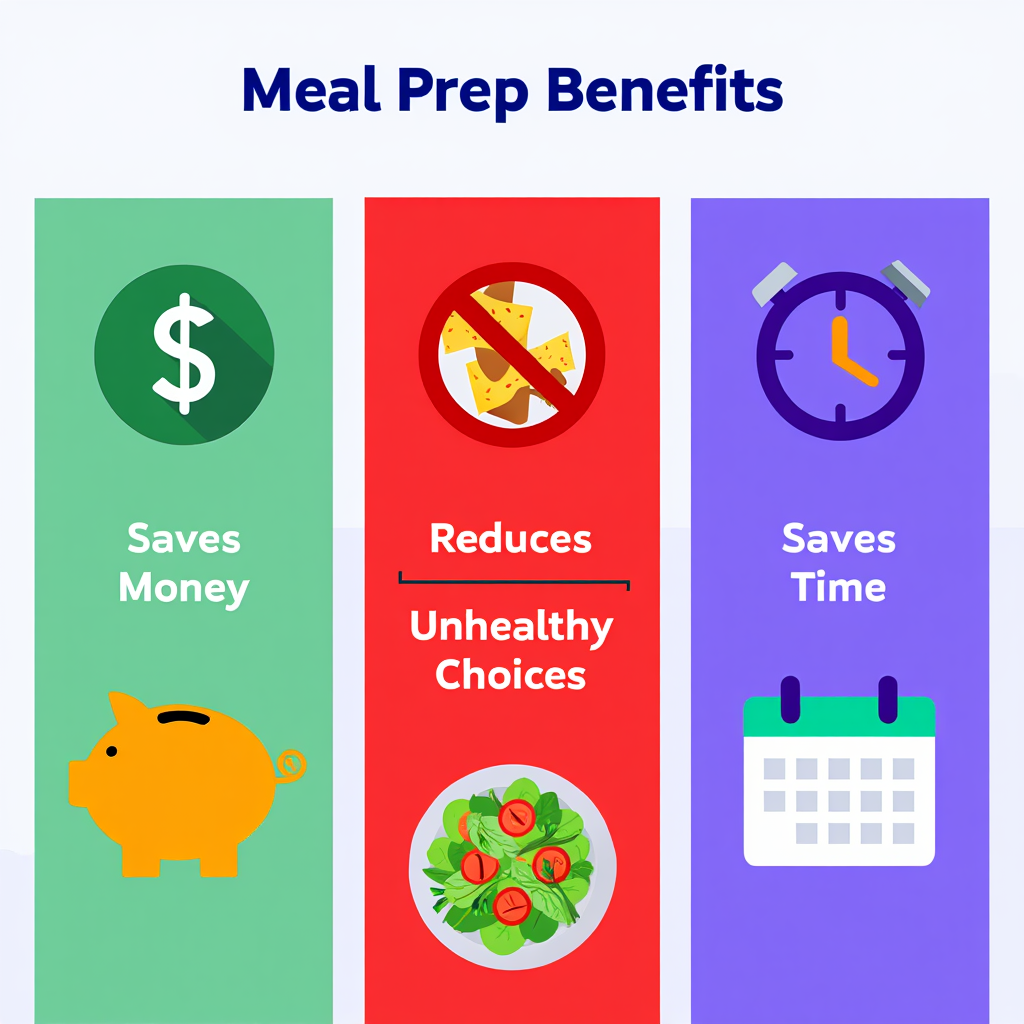
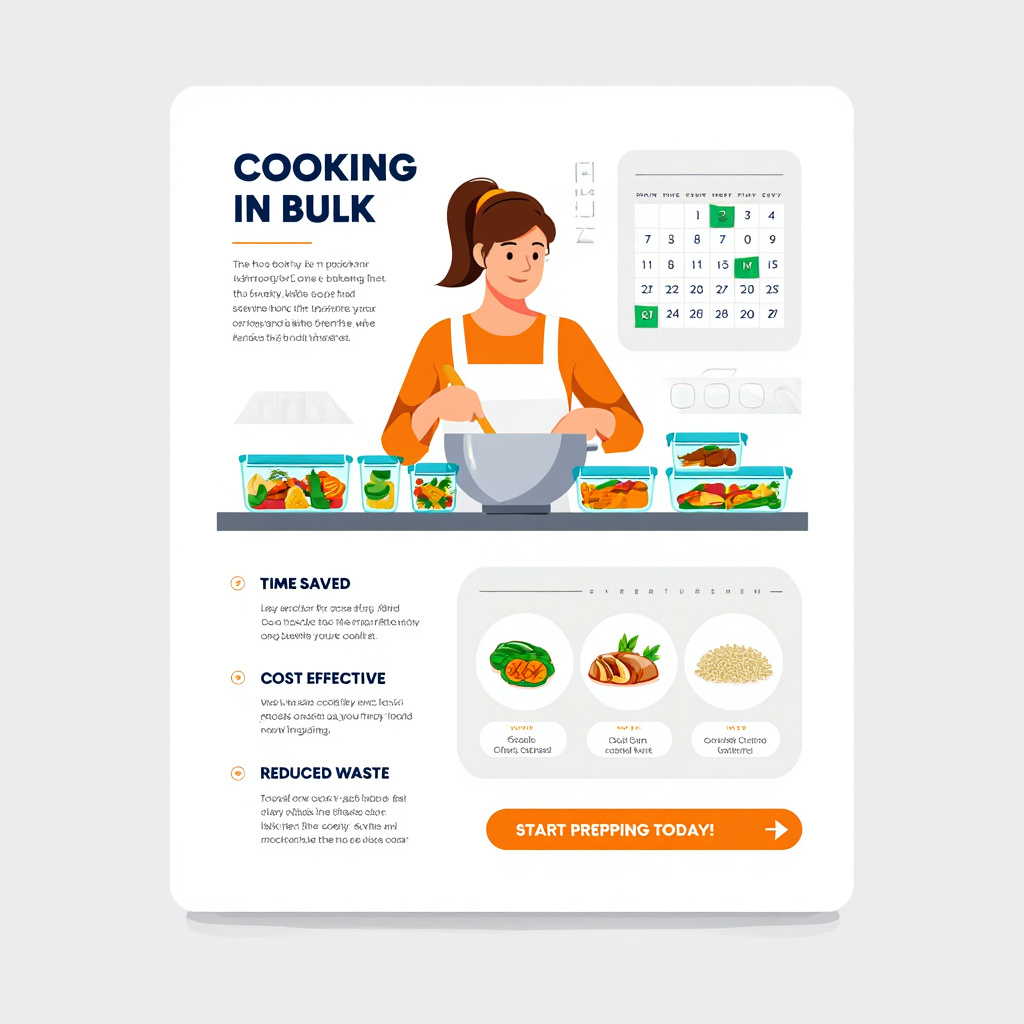
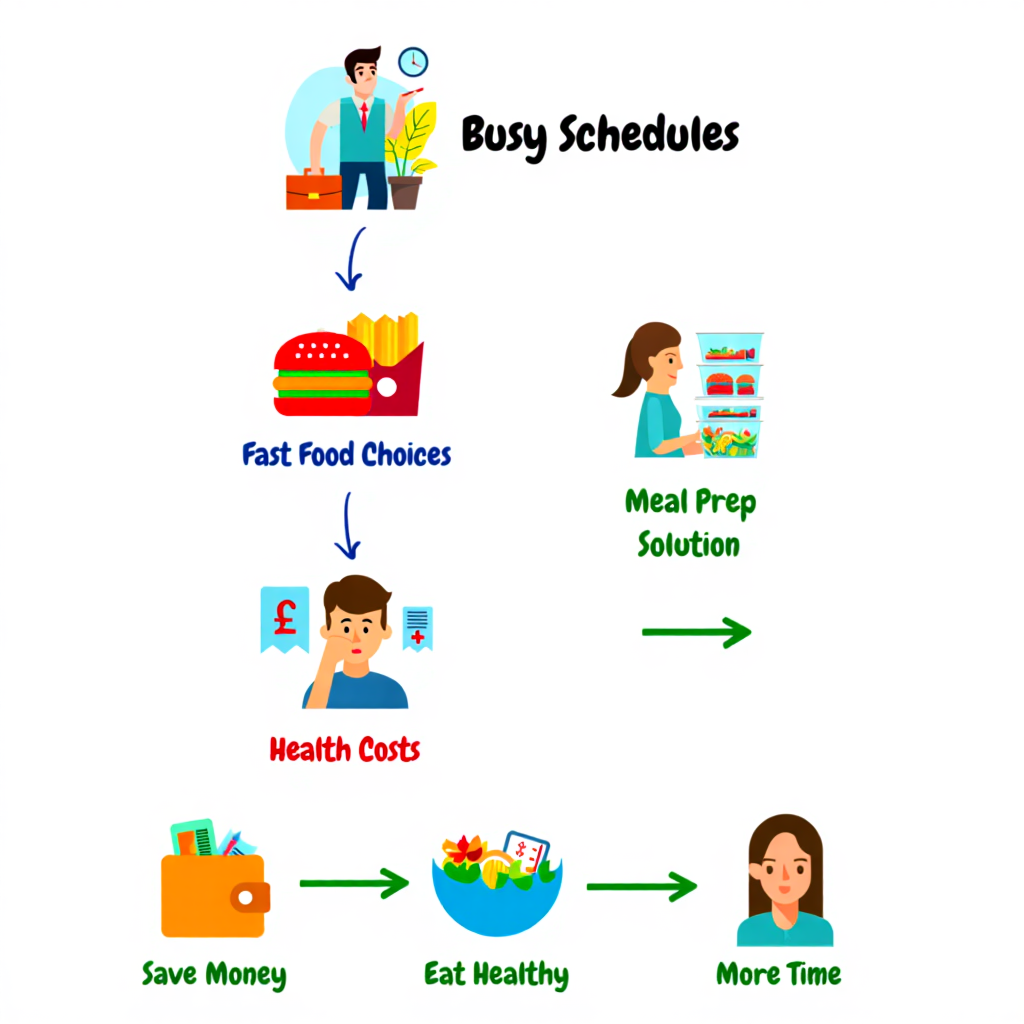
⭐ 5. Meal Prep to Stay on Track
Busy schedules lead to fast food. Solution: Meal prep on weekends.
Prepare:
Grilled chicken/fish
Boiled eggs
Chopped veggies
Overnight oats
Healthy snack boxes
Healthy eating becomes effortless.
⭐ 6. Keep Simple, Healthy Snacks Handy
Avoid chips and sugary snacks. Choose:
Almonds & walnuts
Greek yogurt
Fruits
Peanut butter toast
Protein bars
These support energy and muscle health.
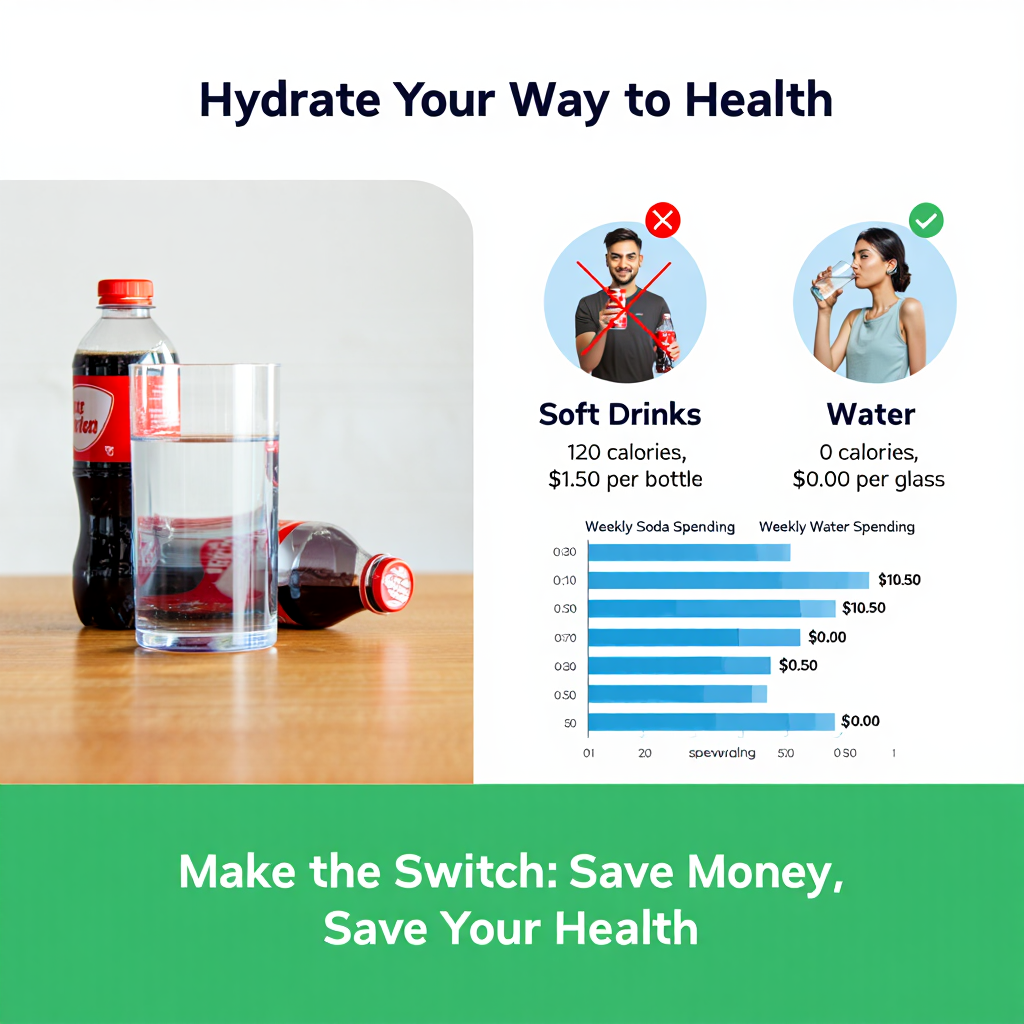
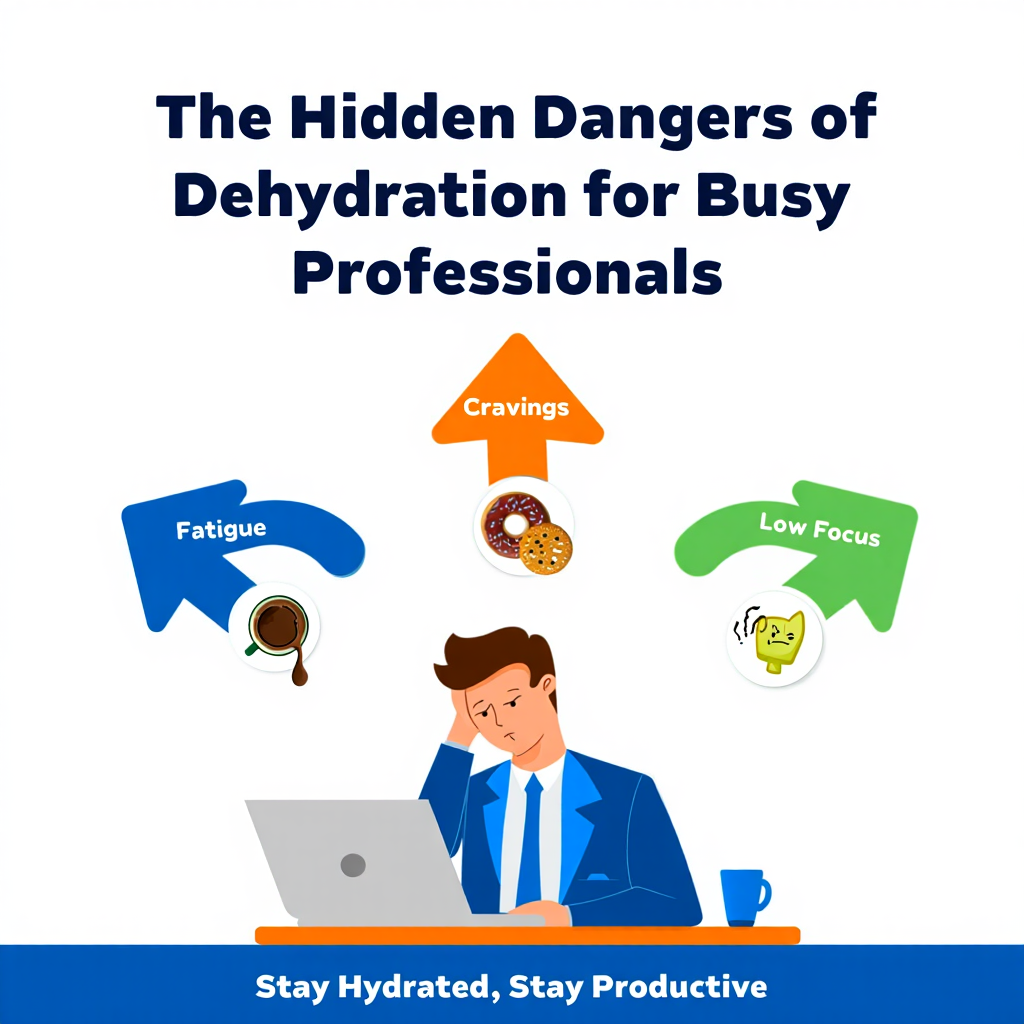
⭐ 7. Drink More Water
Dehydration causes fatigue, cravings, and low focus. Aim for 2–3 liters daily.
Keep a bottle on your desk or in your car.
⭐ 8. Reduce Screen Time at Night
Late-night scrolling leads to:
Poor sleep
Weight gain
Low morning energy
Try the 1-hour rule: No screens one hour before bed.
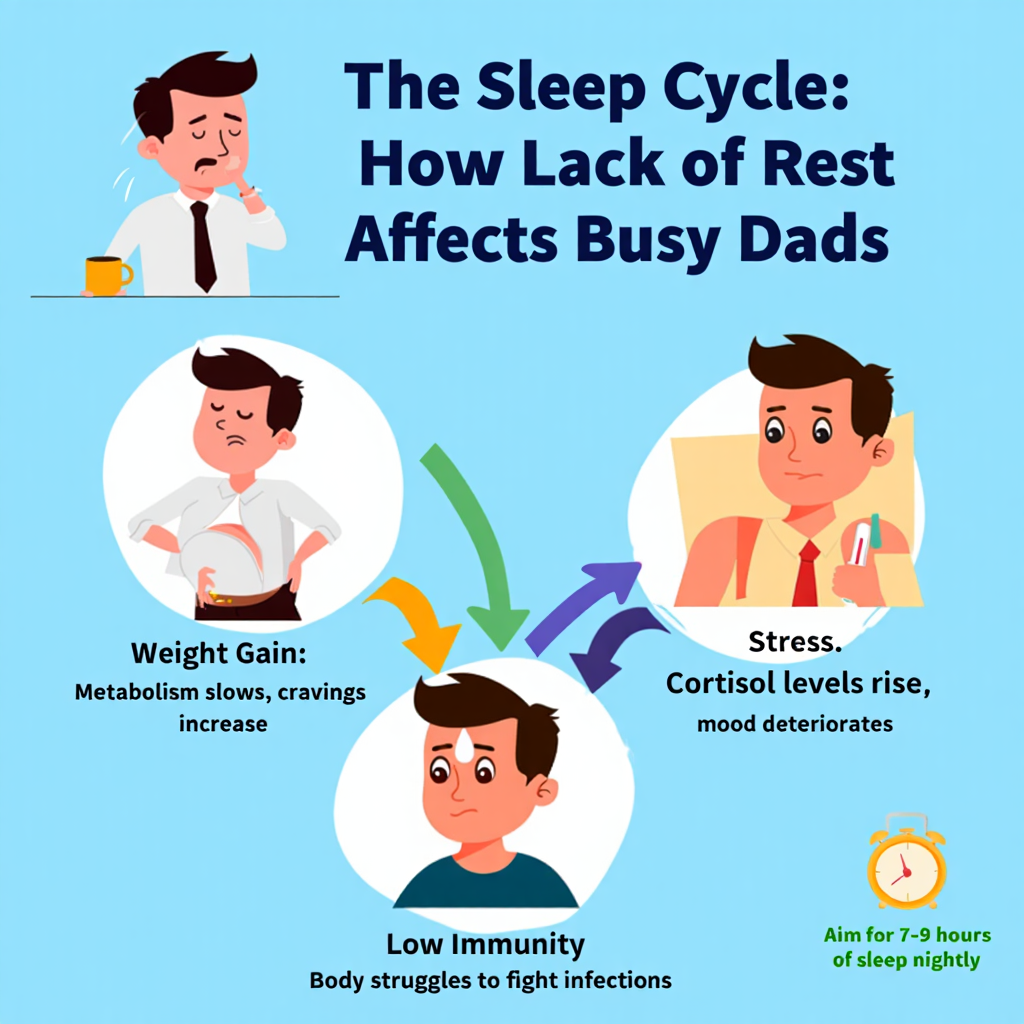
⭐ 9. Prioritize Sleep Like a Fitness Goal
Lack of sleep increases weight gain, stress, and low immunity—especially for dads.
Aim for 6–8 hours. A well-rested body burns fat better, builds muscle faster, and boosts mood.
⭐ 10. Do Strength Training Twice a Week
Strength training improves:
Muscle tone
Fat loss
Back support
Energy levels
You can do it at home:
Push-ups
Squats
Dumbbell rows
Lunges
Planks
⭐ 11. Use Technology to Stay Motivated
Fitness apps help track progress:
Google Fit
MyFitnessPal
Nike Training Club
Fitbit
A digital reminder helps maintain consistency.
⭐ 12. Don’t Aim for Perfection—Aim for Progress
You don’t need a perfect routine. You just need to start.
Small actions done daily become big results over time.
⭐ Final Thoughts
Being busy shouldn’t stop you from being healthy. Whether you’re a professional, a dad, or both—your health is your biggest asset. With small, sustainable habits, you can stay strong, energetic, and confident without sacrificing work or family time.
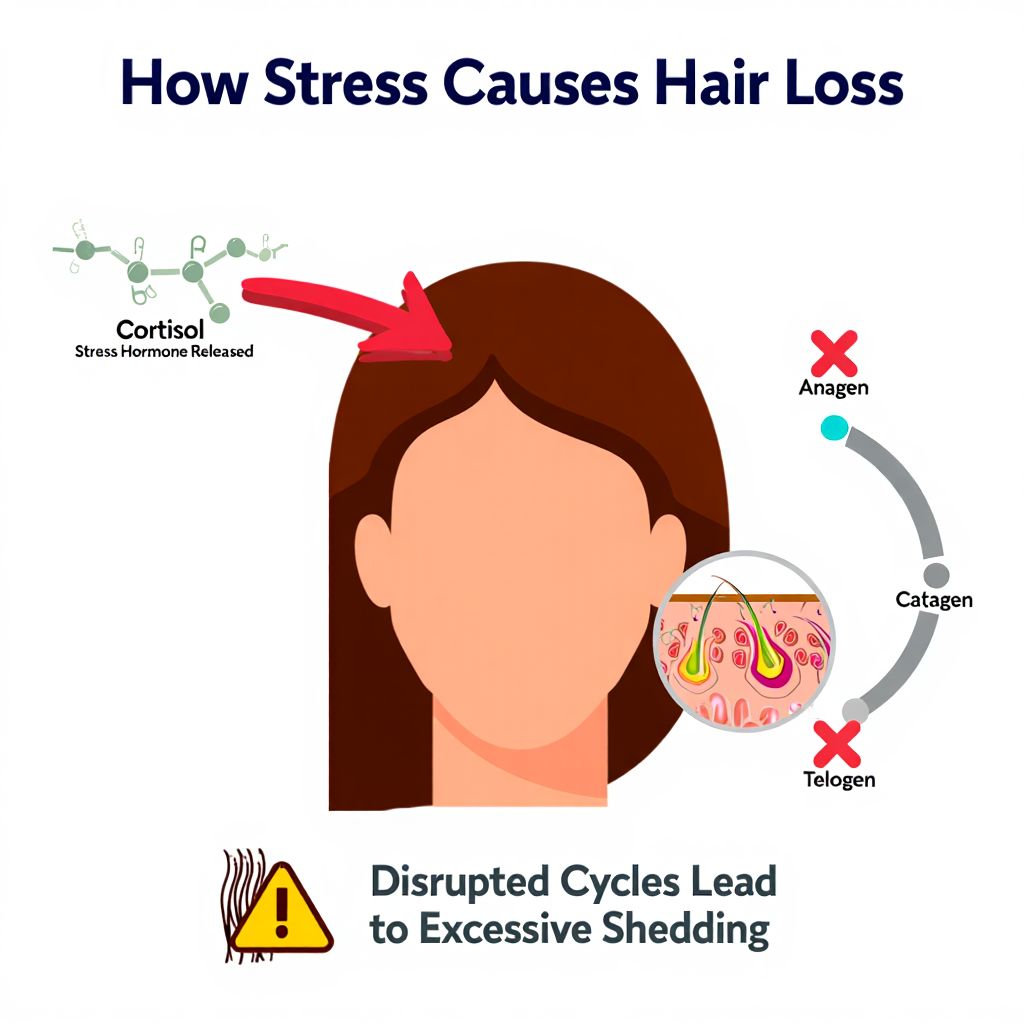
Hair loss is one of the most common concerns today—caused by stress, pollution, hormonal changes, poor nutrition, and harsh styling habits. The good news? With the right care, you can minimize hair fall and support healthy regrowth.
Here are the most effective, science-backed tips to prevent hair loss:
1. Nourish Your Hair From Within
Healthy hair starts with a healthy body. Include foods rich in:
Protein (eggs, fish, chicken, lentils)
Iron (spinach, beetroot, jaggery)
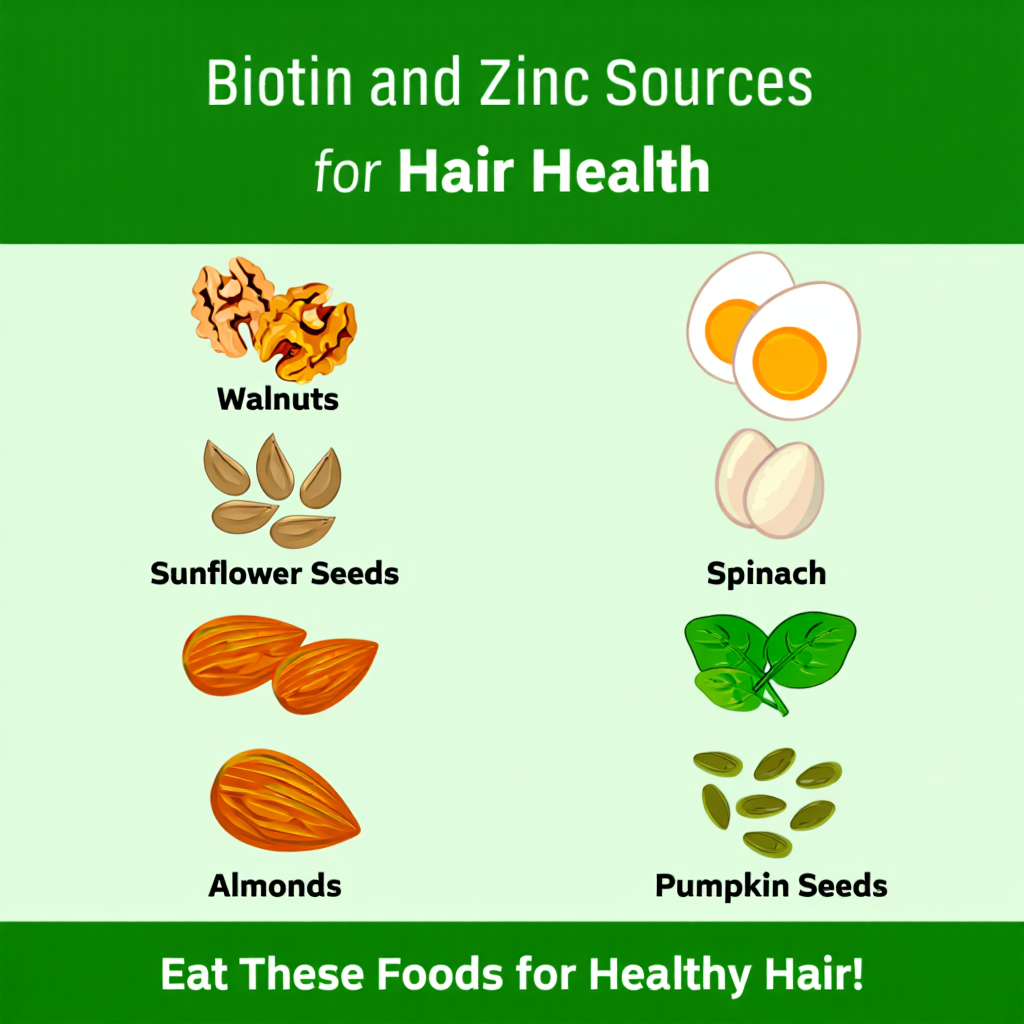
Biotin & Zinc (nuts, seeds, almonds)
Omega-3 (walnuts, chia seeds, salmon)
A nutrient-rich diet strengthens hair roots and prevents breakage.
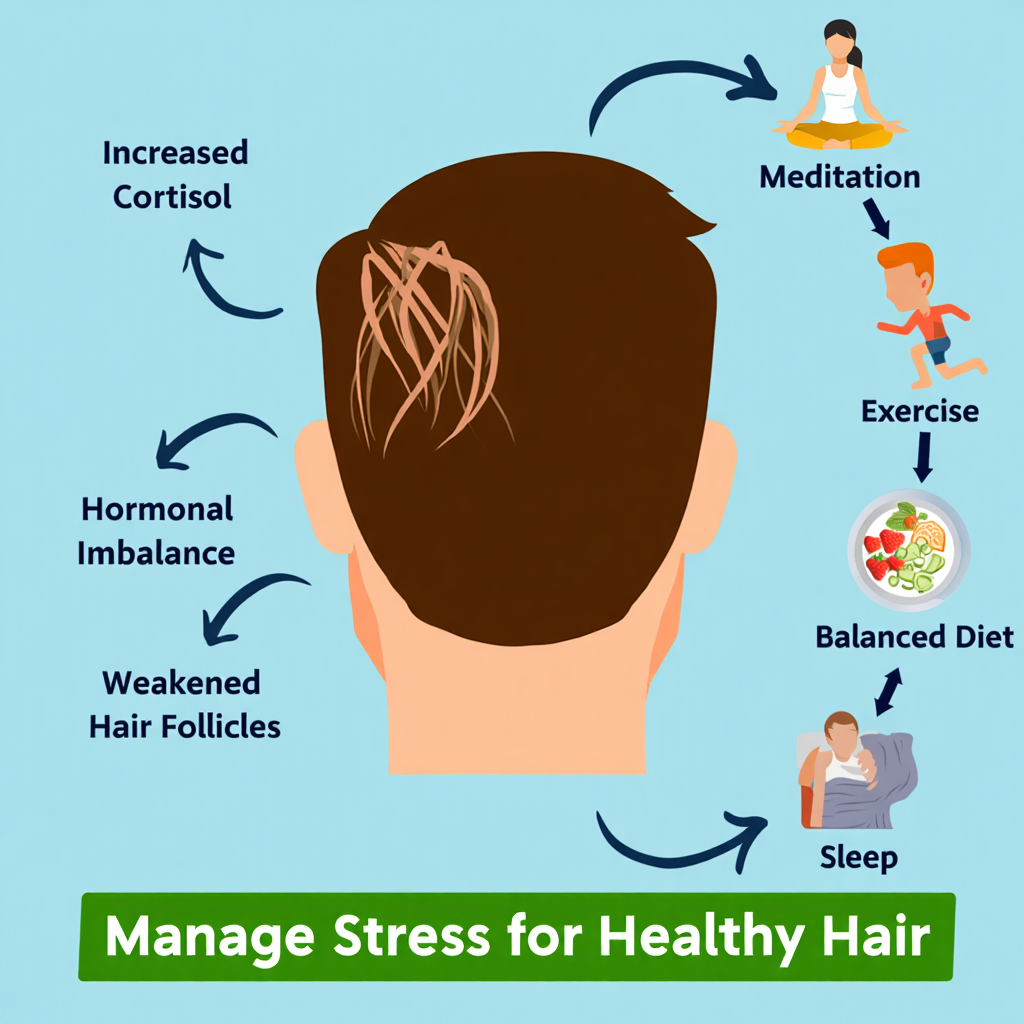
2. Reduce Stress Levels
Stress is one of the biggest triggers of hair fall. Try:
Yoga
Meditation
Deep breathing
Light exercise
Quality sleep
Reducing stress boosts blood circulation to the scalp.
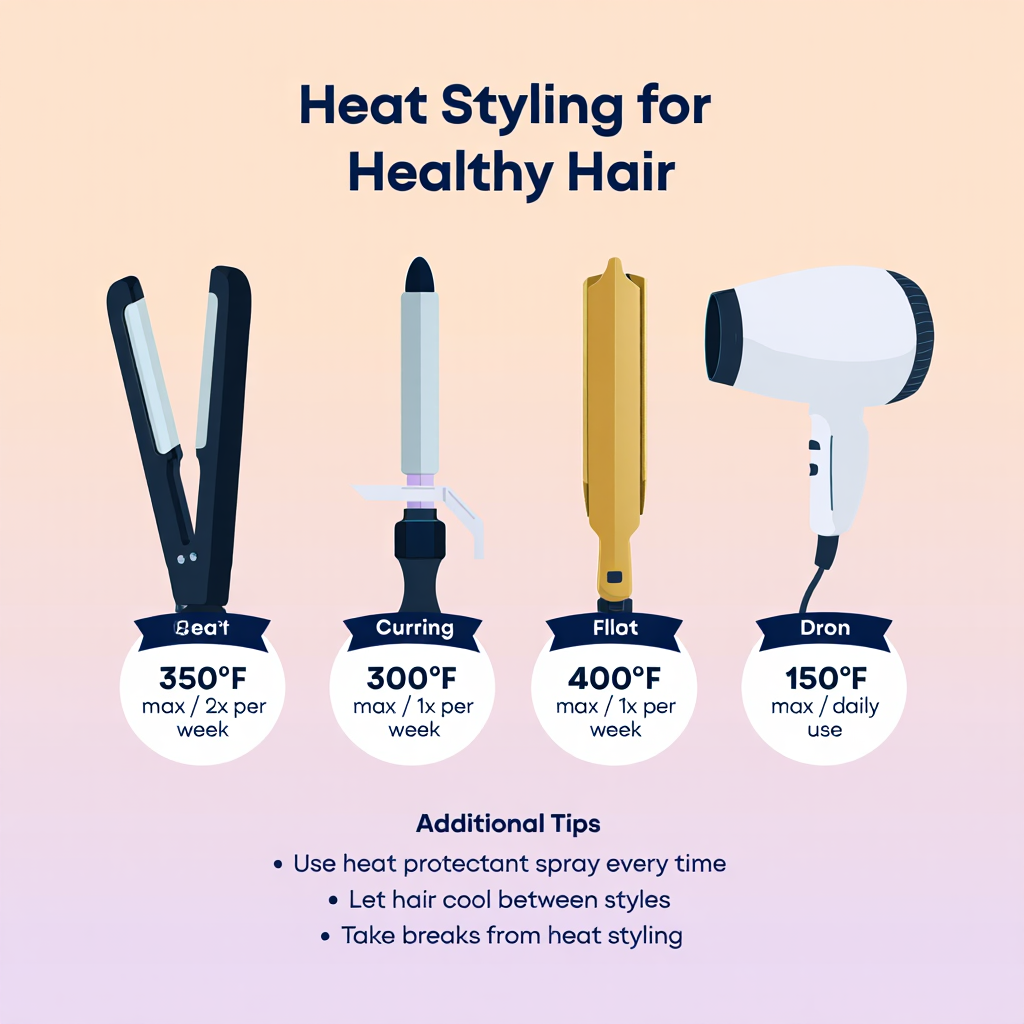
3. Avoid Excessive Heat Styling
Daily use of straighteners, curlers, and blow dryers weakens your hair shaft. Limit heat tools and always apply a heat protectant spray when using them.
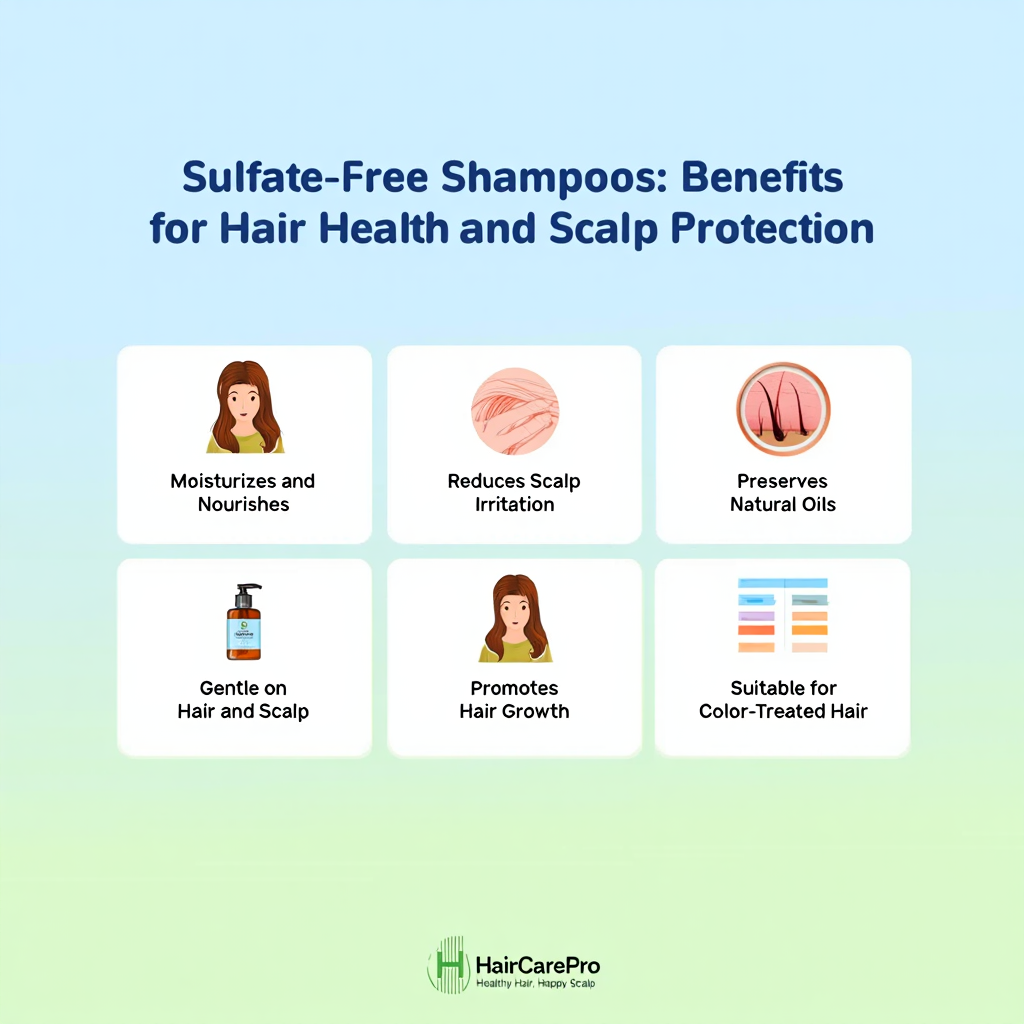
4. Choose Mild, Sulfate-Free Hair Products
Harsh shampoos strip natural oils and damage the scalp. Use:
Sulfate-free shampoo
Paraben-free conditioner
Herbal/organic hair masks
5. Gentle Oil Massage for Better Circulation
Warm oil massages improve blood flow and nourish roots. Best oils for hair fall:
Coconut oil
Castor oil
Rosemary oil
Onion oil
Olive oil
Massage 2–3 times a week.
6. Don’t Brush Wet Hair
Wet hair is extremely fragile and breaks easily. Always:
Let it air-dry 70%
Use a wide-tooth comb
7. Avoid Tight Hairstyles
Tight ponytails, braids, or buns cause traction alopecia (hair pulling). Keep hairstyles loose and gentle.
8. Keep Your Scalp Clean & Healthy
Wash regularly to remove:
Dust
Oil buildup
Sweat
Dandruff
A clean scalp supports healthy hair follicles.
9. Stay Hydrated
Drink 2–3 liters of water daily. Hydration improves scalp health and prevents brittle hair.
10. Don’t Skip Regular Trims
Trimming every 8–12 weeks reduces split ends and hair breakage, helping your hair look fuller and healthier.
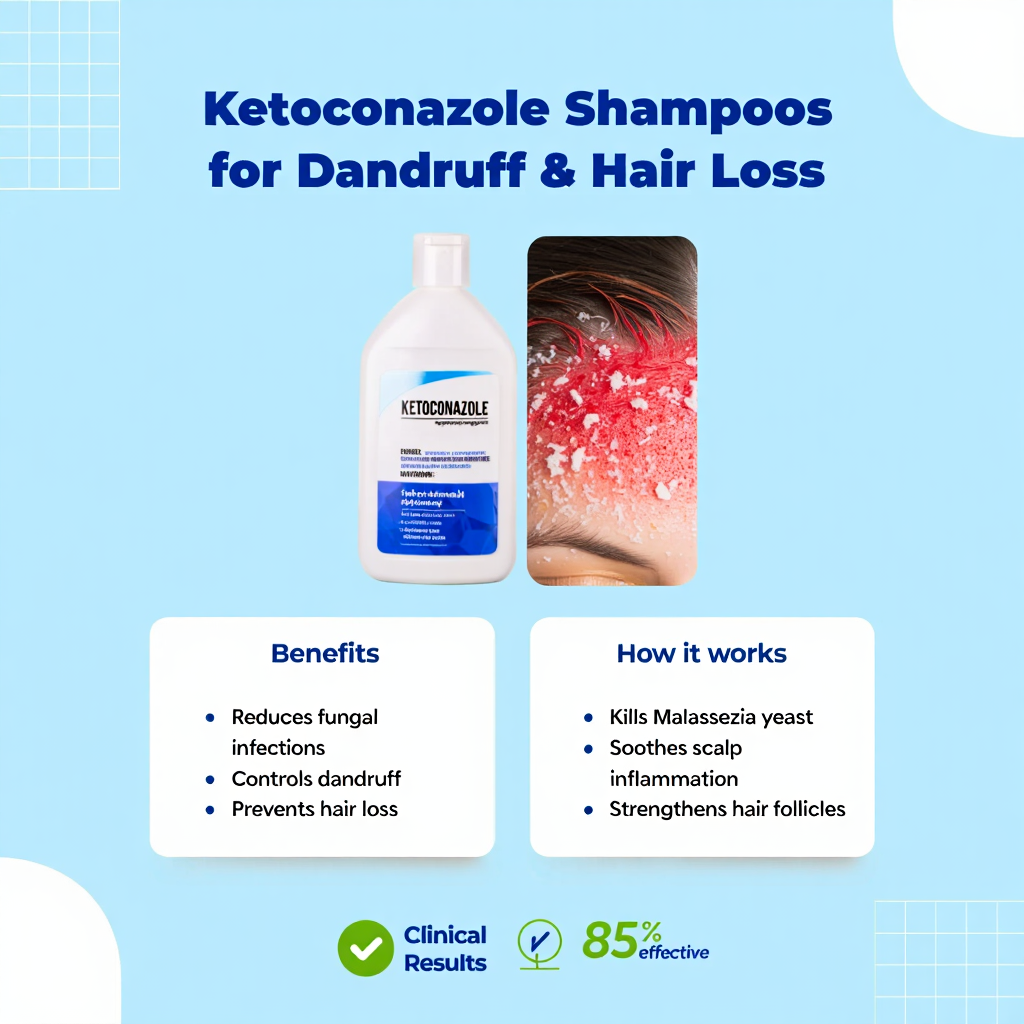
11. Treat Dandruff Early
Dandruff blocks hair follicles and leads to hair fall. Use:
If hair loss is severe, consult an expert for advanced treatments like:
PRP therapy
Mesotherapy
Hair growth serums
Laser scalp therapy
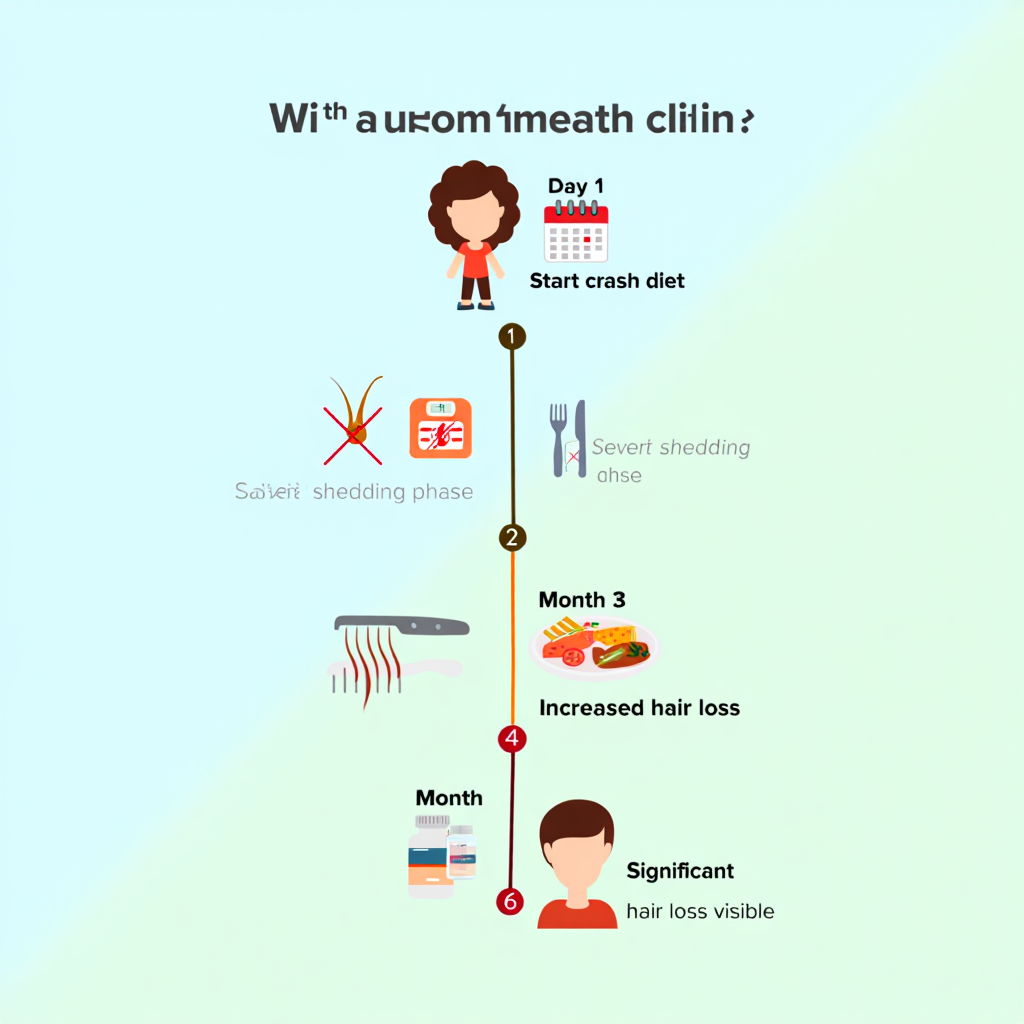
13. Avoid Crash Dieting
Rapid weight loss causes nutritional deficiencies that trigger hair fall. Always follow a balanced plan.
Final Thoughts
Preventing hair loss is all about consistent care. Eat well, reduce stress, treat your scalp gently, and avoid harsh practices. With the right habits, your hair can become stronger, healthier, and more resilient.
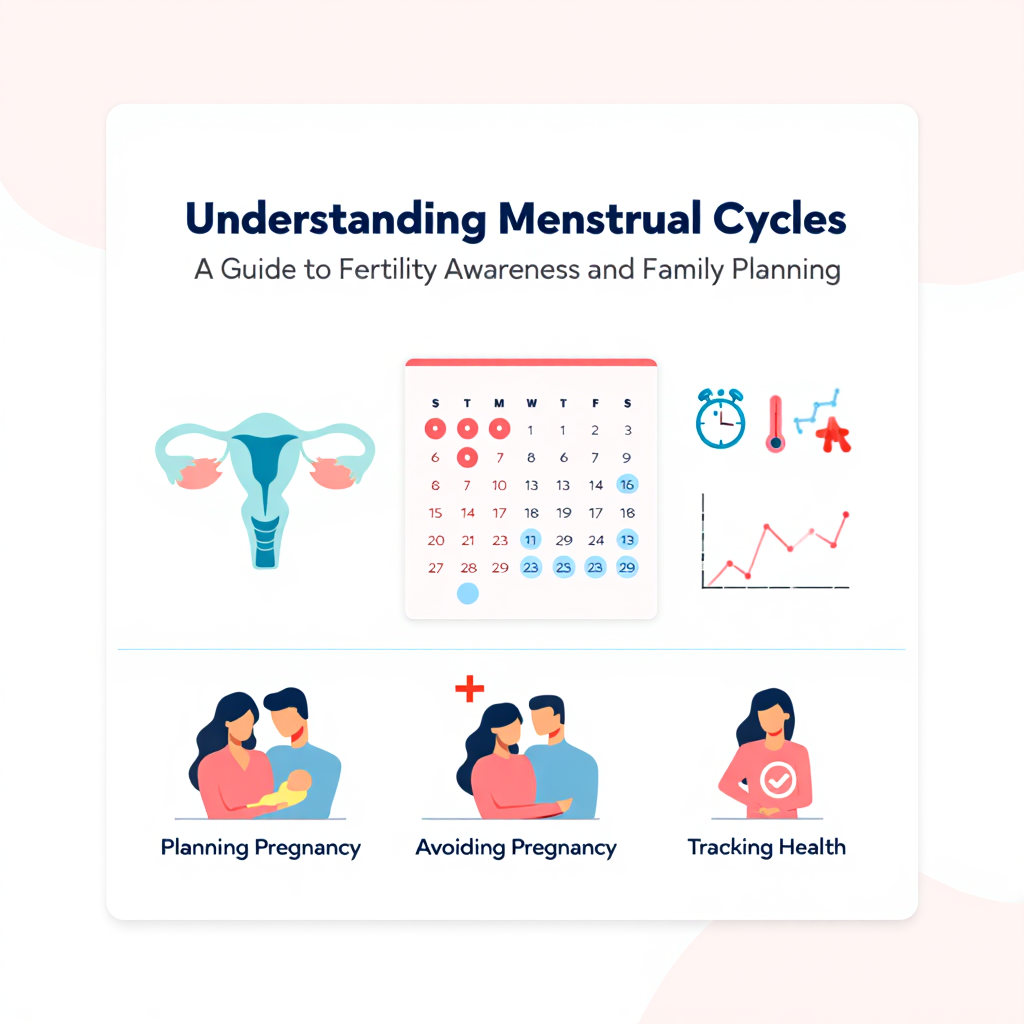
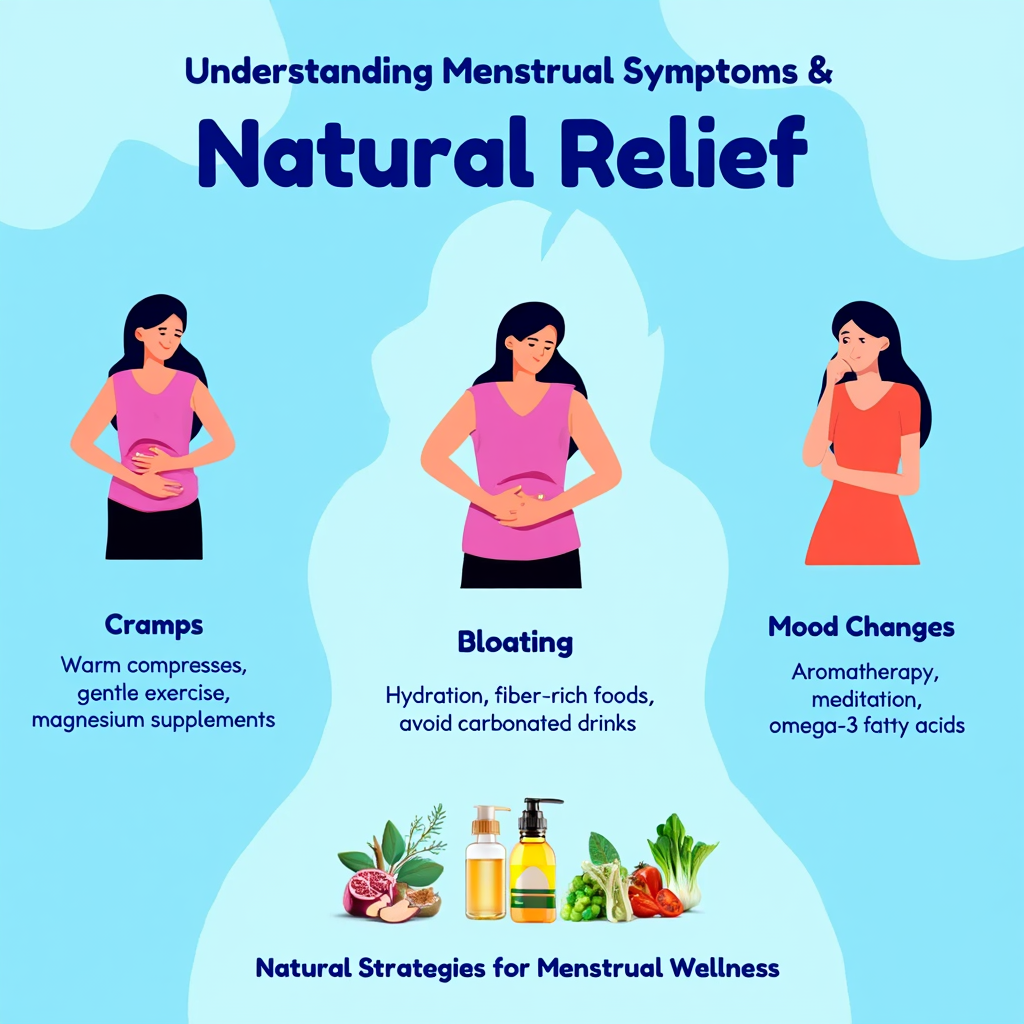
Menstrual health is an important part of a woman’s overall well-being, yet many people still feel confused or shy about it. Understanding your menstrual cycle helps you track your fertility, manage symptoms, and identify early signs of health issues. Here’s a simple, friendly guide to help you understand everything about periods and menstrual health.
What Is the Menstrual Cycle?
The menstrual cycle is the monthly process your body goes through to prepare for pregnancy. A complete cycle is counted from Day 1 of your period to the next period, usually lasting 21–35 days.
Phases of the Menstrual Cycle
Menstrual Phase (Days 1–5)
This is when bleeding happens. The uterus sheds its lining because pregnancy did not occur. Common symptoms: cramps, back pain, mood swings, fatigue.
Follicular Phase (Days 1–13)
The body prepares an egg for release. Hormone levels rise, and you often feel more energetic and positive.
Ovulation Phase (Day 14)
This is the fertile window. The egg is released from the ovary—your chances of pregnancy are highest. Some women feel mild pain on one side of their abdomen (ovulation pain).
Luteal Phase (Days 15–28)
If pregnancy does not happen, hormones drop again. This causes PMS symptoms: bloating, mood changes, acne, cravings, breast tenderness.
What Normal Menstrual Health Looks Like
Every woman is different, but generally:
Cycle length: 21–35 days
Bleeding lasts: 2–7 days
Flow should be moderate (not too heavy or too light)
Mild cramps are normal
Color can range from bright red to dark brown
Signs of Unhealthy Periods
Contact a doctor if you notice: Very heavy bleeding (soaking pads in 1–2 hours) Missing periods for 3+ months (not pregnant) Severe pain that stops daily activities Blood clots larger than a coin Periods that come too early or too late Foul odor or unusual discharge Excessive facial/body hair + irregular periods (possible PCOS)
How to Maintain Good Menstrual Health
Eat a Balanced Diet
Include iron-rich foods like spinach, jaggery, eggs, lentils, fish.
Stay Hydrated
Helps reduce bloating and cramps.
Exercise Regularly
Even light walking or yoga helps regulate hormones.
Track Your Cycle
Apps like Flo, Period Tracker, and Clue help you understand patterns.
Manage Stress
Meditation, deep breathing, and good sleep support hormonal balance.
Maintain Hygiene
Change pads/tampons every 4–6 hours to avoid infections.
Staying healthy during pregnancy is one of the best gifts you can give your baby. Here are the most important, easy-to-follow guidelines every mom-to-be should keep in mind:
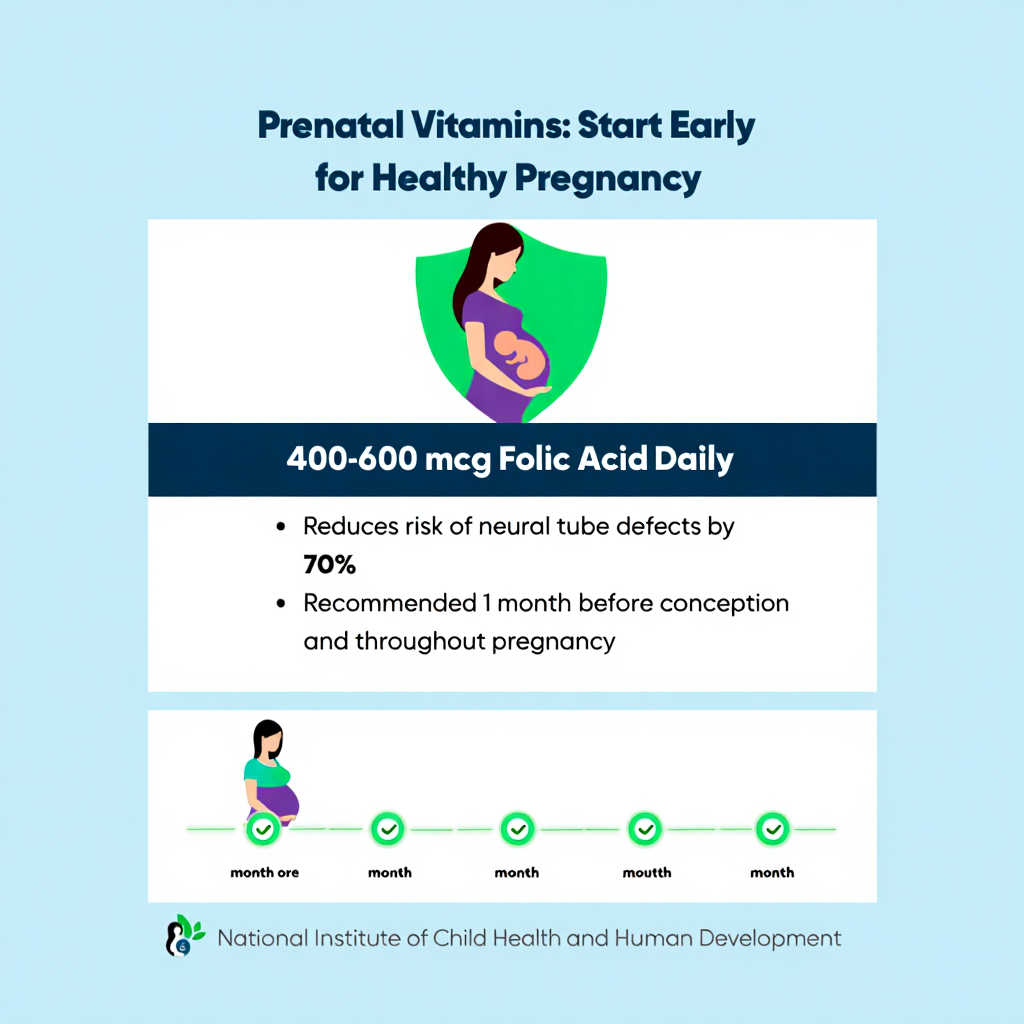
1️⃣ Start Prenatal Vitamins Early
Take folic acid (400–600 mcg) + prenatal multivitamin daily. This helps prevent birth defects and supports baby’s growth.
2️⃣ Eat Nutritious, Balanced Meals
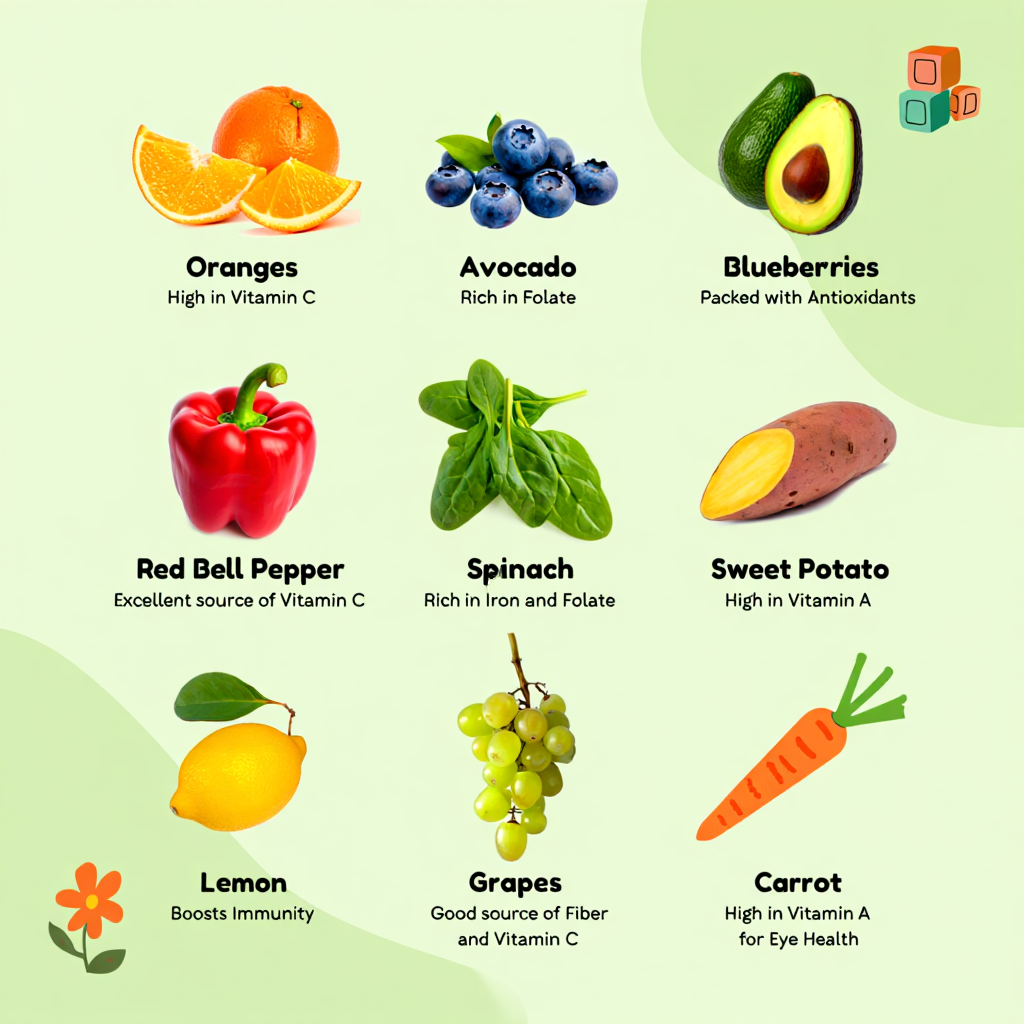
Focus on: ✔ Fresh fruits & vegetables ✔ Whole grains ✔ Protein (paneer, eggs, lentils, chicken, fish) ✔ Healthy fats (nuts, seeds, ghee in moderation)
Avoid: ❌ Raw or undercooked meat/fish ❌ Excess caffeine ❌ Junk food & sugary drinks
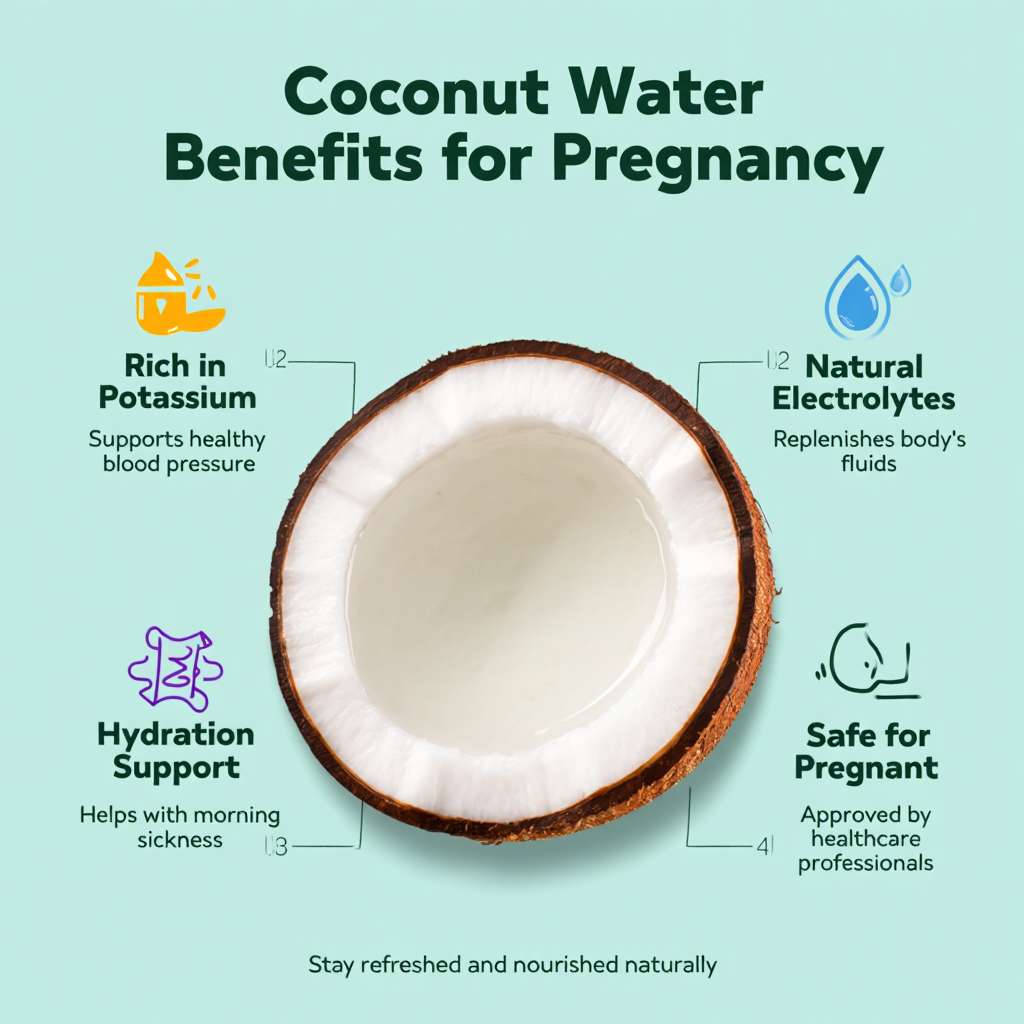
3️⃣ Stay Hydrated
Drink 8–10 glasses of water daily. Add coconut water or lemon water for electrolytes.
4️⃣ Gentle Exercise Is Great
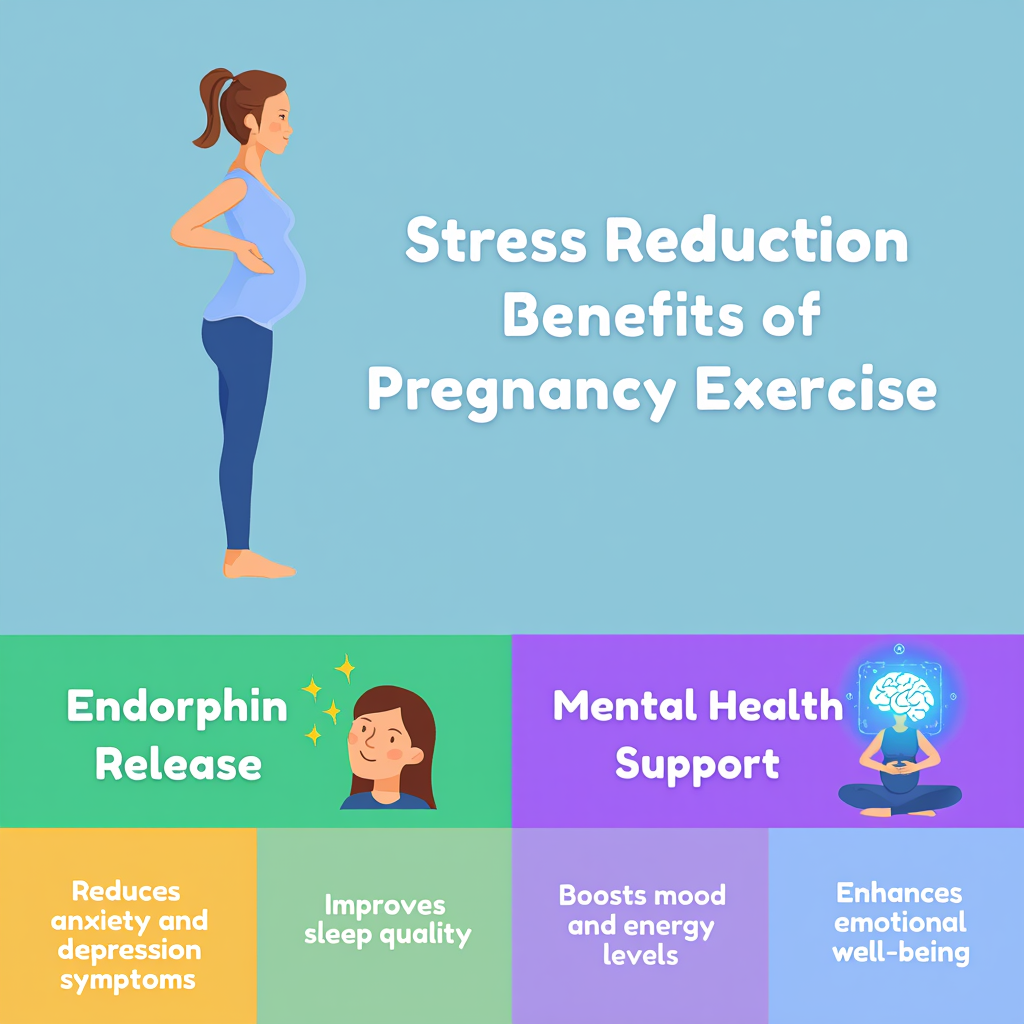
Walk 30 minutes daily or do prenatal yoga. It reduces stress, swelling, and improves delivery outcomes.
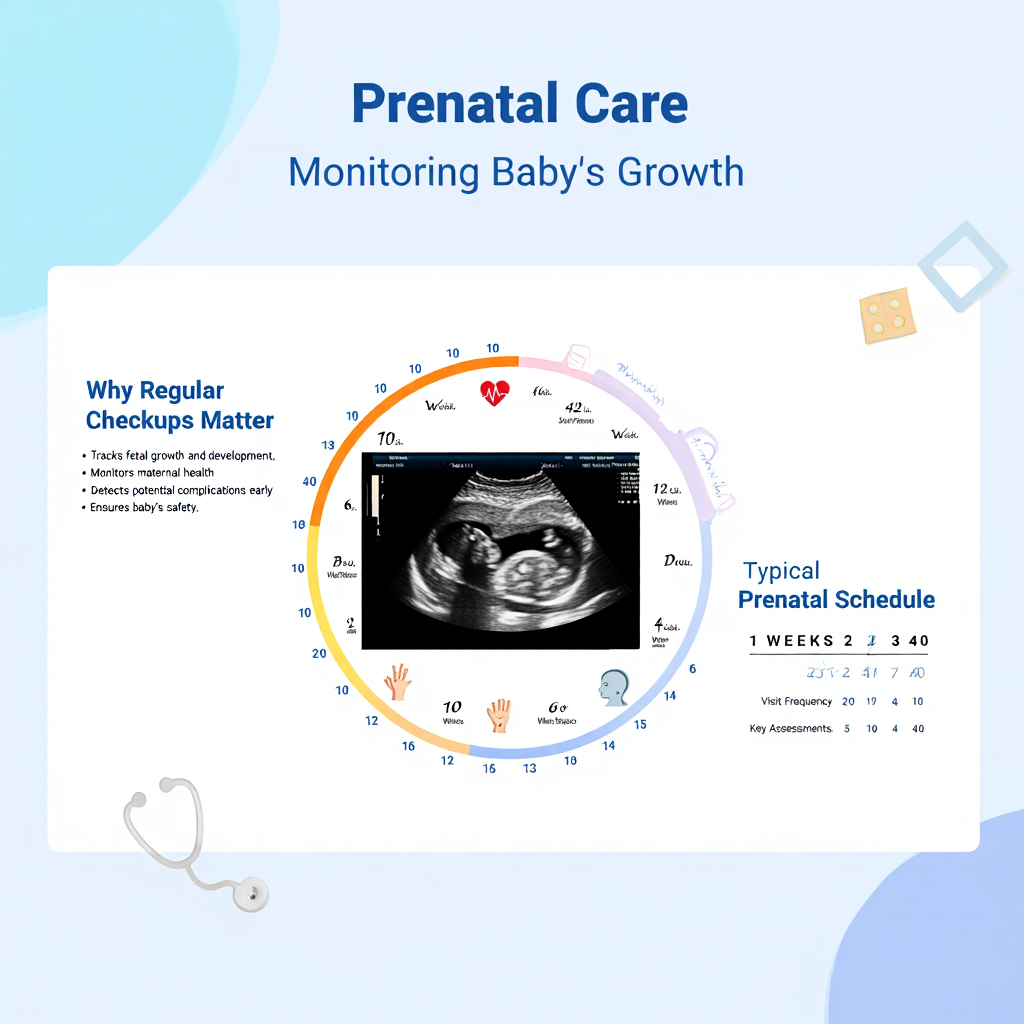
5️⃣ Don’t Skip Medical Checkups
Regular doctor visits help track:
Baby’s growth
Blood pressure
Gestational diabetes
Iron levels
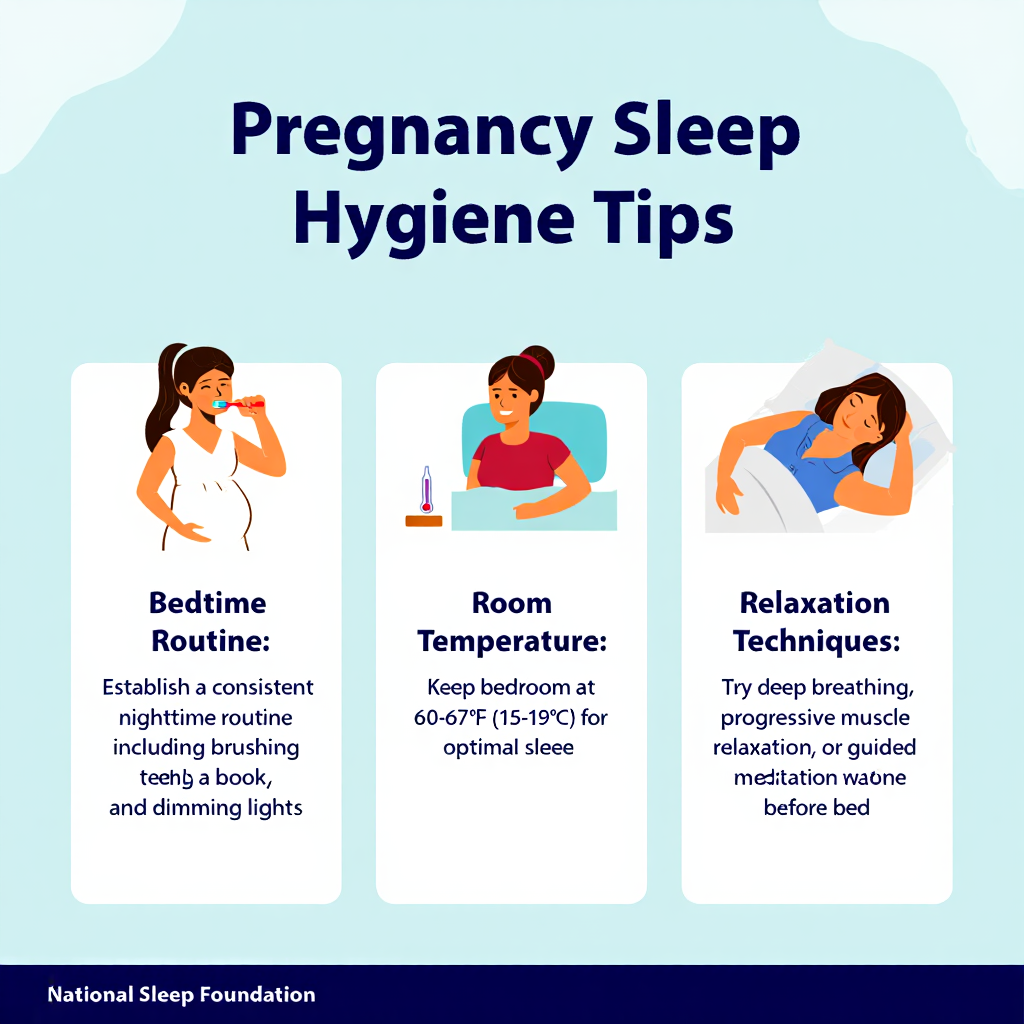
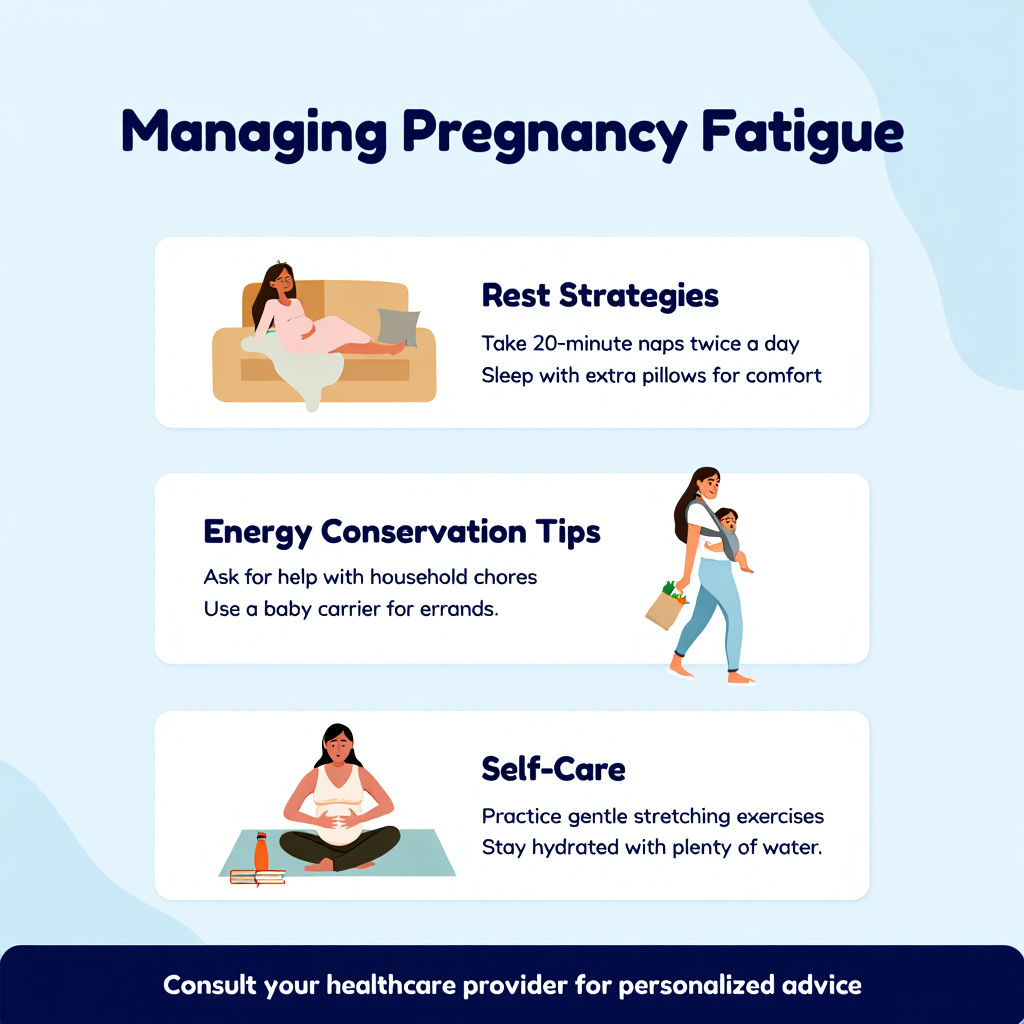
6️⃣ Sleep 7–9 Hours Per Night
Use extra pillows for comfort. Sleeping on your left side improves blood flow to the baby.
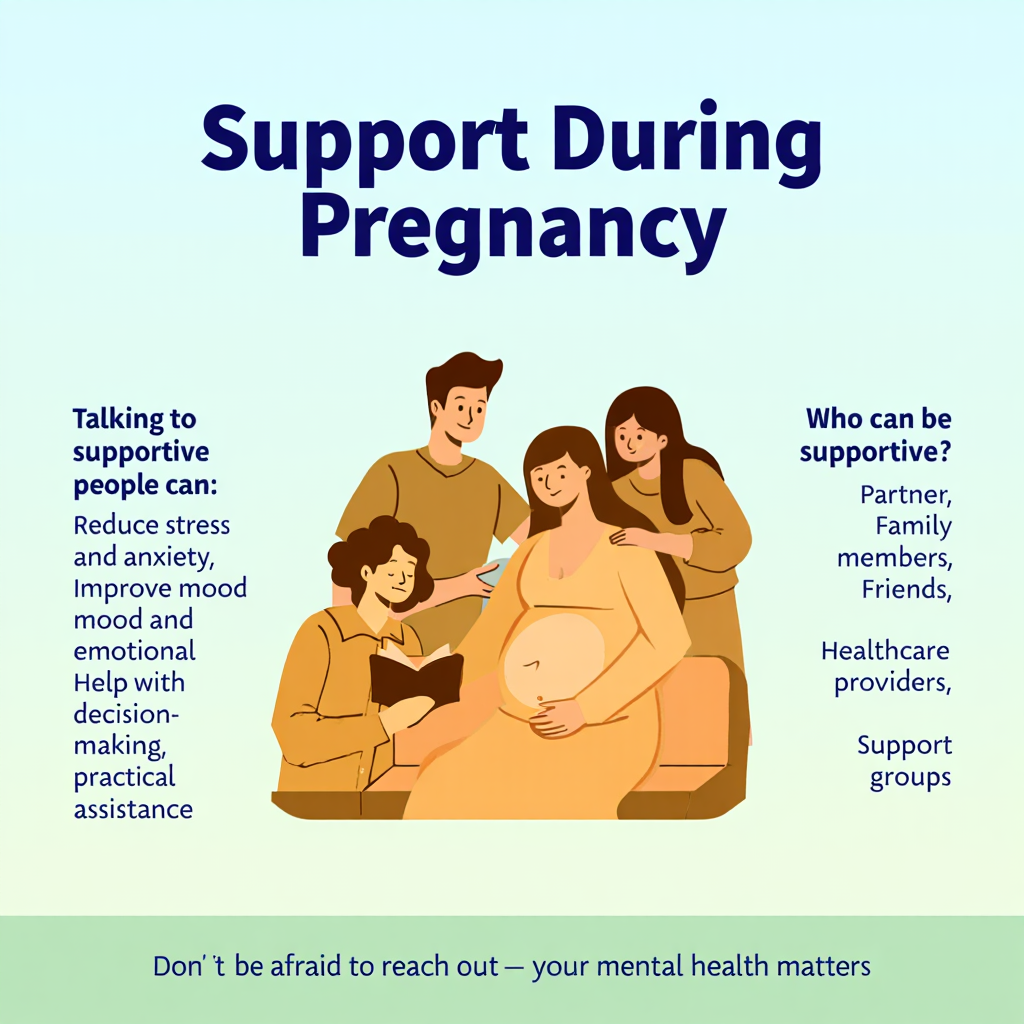
7️⃣ Manage Stress Calmly
Try:
Deep breathing
Meditation
Light stretching
Talking to supportive people
Avoid stressful environments as much as possible.
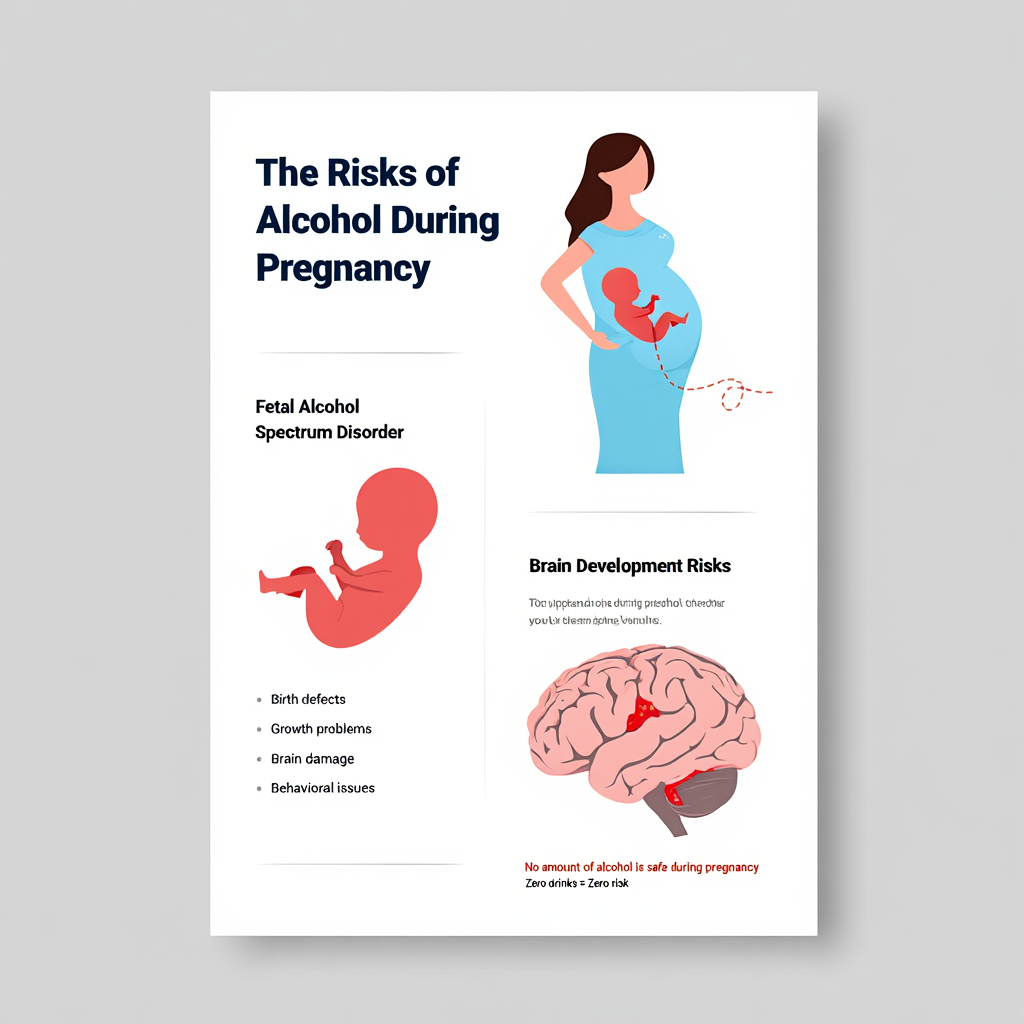
8️⃣ Avoid Alcohol, Smoking & Illegal Drugs
These can seriously harm the baby’s brain and development.
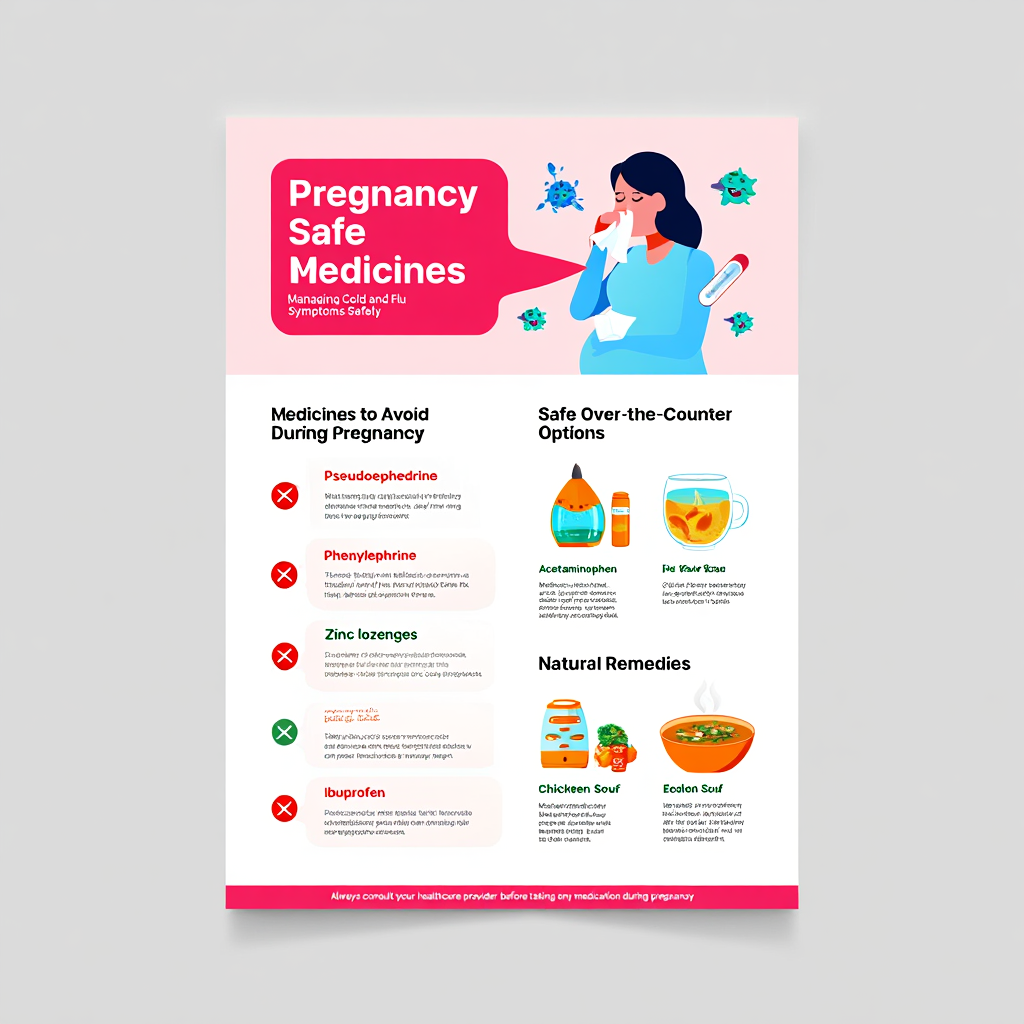
9️⃣ Limit Medicines
Always ask your doctor before taking:
Painkillers
Cold/flu medicine
Herbal supplements
Antibiotics
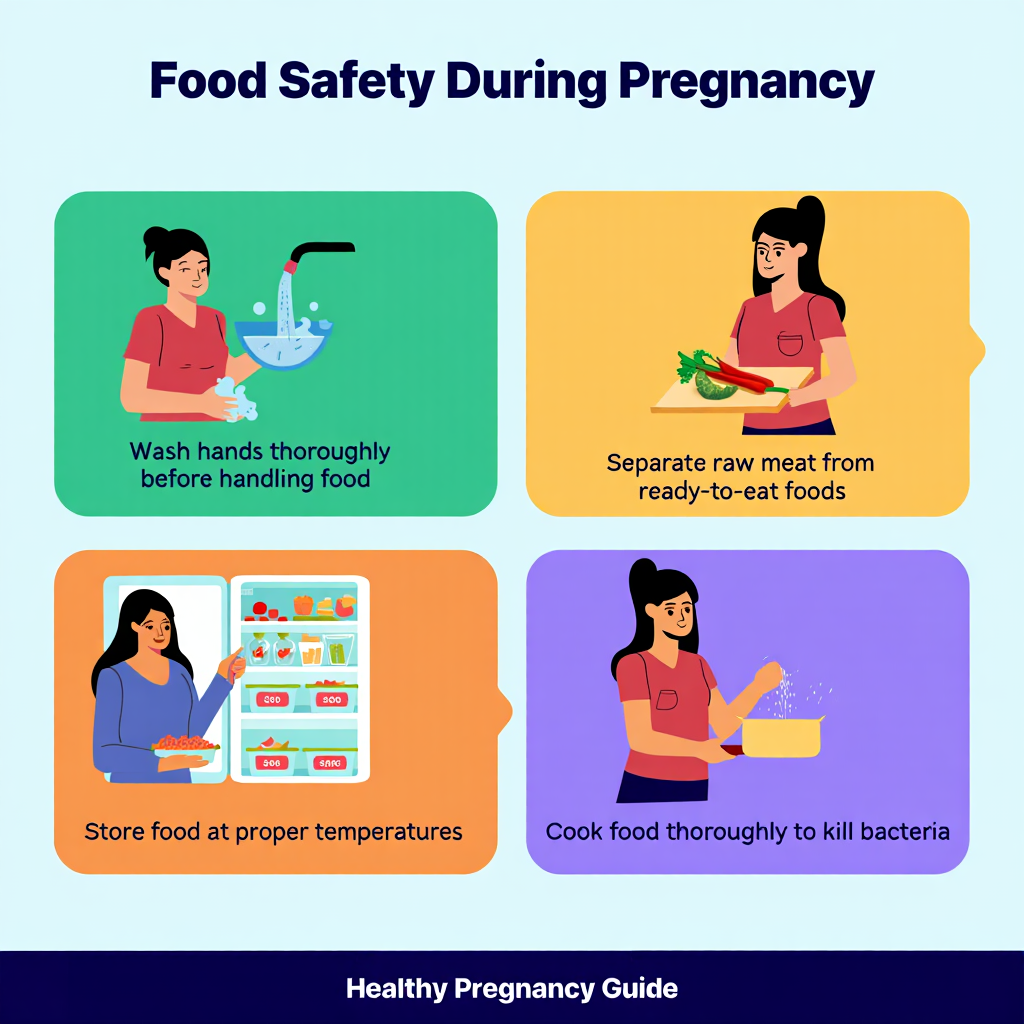
🔟 Maintain Good Hygiene
Wash hands often, keep food clean, and avoid contact with sick people.
❤️ Bonus Tips
Eat small, frequent meals to avoid nausea.
Take iron and calcium supplements if your doctor recommends them.
In the world of quick-fix weight loss solutions, fitness slimming teas have become a popular choice. They are often marketed as herbal, natural, and convenient products that can help you shed pounds, reduce bloating, and boost metabolism — all with minimal effort. Social media ads make it look effortless: drink tea, lose fat, and flatten your belly.
But the real question is: Do slimming teas actually work? Are they safe, and can they really help you lose weight without drastic diet or exercise?
In this detailed review, we will explore popular slimming teas, their ingredients, benefits, side effects, and what experts have to say. We’ll also include user experiences so you can make an informed decision before trying any product.
Fitness slimming teas, also known as detox teas or “teatox” products, are beverages made from a blend of herbal ingredients that claim to aid in weight loss. These teas are usually designed to:
Boost metabolism
Reduce water retention
Suppress appetite
Promote detoxification
Common ingredients found in these teas include:
Green Tea: Rich in antioxidants (catechins) and caffeine, which may help boost metabolism slightly.
Senna Leaf: A natural laxative often used to relieve constipation.
Garcinia Cambogia: A tropical fruit extract thought to reduce appetite.
Caffeine: A stimulant that can increase energy expenditure.
Other Herbs: Ginger, lemongrass, dandelion, and other natural ingredients for flavor and digestion support.
While these ingredients are natural, their effects can vary from person to person.
How Do Slimming Teas Work?
Slimming teas often work in three main ways:
Temporary Water Loss: Many teas contain diuretics or herbal laxatives that make your body release water. This can reduce bloating and make you feel lighter, but it does not result in actual fat loss.
Appetite Suppression: Ingredients like Garcinia Cambogia or caffeine may slightly reduce hunger, helping you consume fewer calories.
Digestive Support: Herbs like senna and ginger can improve bowel movements and digestion, which may reduce bloating.
Important: The majority of “weight loss” from slimming teas is temporary. Without a proper diet and lifestyle changes, the effects are often short-lived.
Potential Benefits of Fitness Slimming Teas
Users often report several benefits, including:
Reduced Bloating: Herbal ingredients can help relieve water retention.
Improved Digestion: Senna leaf and ginger aid bowel movement.
Increased Energy: Caffeine can provide a temporary boost in alertness and energy.
Mild Appetite Control: Some teas reduce cravings slightly.
While these effects are real, it’s crucial to understand that fat loss requires a caloric deficit, which cannot be achieved by drinking tea alone.
Risks and Side Effects
Despite marketing claims, fitness slimming teas can have risks:
Digestive Problems: Overuse of senna can cause diarrhea, dehydration, and cramping.
Electrolyte Imbalance: Frequent use of laxative teas can lead to a loss of essential minerals.
Temporary Weight Loss: Most slimming teas only cause water loss, not fat reduction.
Unregulated Ingredients: Some products may contain substances not listed on the label, which could be harmful.
Caffeine-Related Issues: Excess caffeine may cause anxiety, insomnia, or heart palpitations.
Expert Tip: Always follow the recommended dosage, and never rely on slimming tea as your main weight loss strategy.
Popular Fitness Slimming Teas Reviewed
Here’s a detailed review of four widely used fitness slimming teas:
1. 14-Day Flat Belly Tea
Overview: This herbal blend is marketed to reduce bloating and support digestion over a 14-day period.
Ingredients: Green tea, senna leaf, ginger.
Pros:
Reduces water retention and bloating
Mild, pleasant taste
Easy to prepare
Cons:
Weight loss is temporary (mainly water weight)
Overuse of senna can cause digestive discomfort
Not a fat-burning solution
User Review Summary: Users feel lighter and less bloated within a few days. Some report mild digestive issues when consumed in excess. Works best with a healthy diet.
2. Hyleys Slim Tea (Goji Berry Flavor)
Overview: A fruity blend combining green tea and senna leaf for digestive support.
Ingredients: Green tea, senna leaf, goji berry extract.
Pros:
Pleasant fruity flavor
Mild appetite suppression
Good for digestion
Cons:
May cause diarrhea in sensitive individuals
Effects on fat loss are minimal
Contains caffeine, which may disturb sleep
User Review Summary: Users enjoy the taste and mild detox effect. Digestive issues can occur if consumed in large amounts.
3. FITNE Herbal Slimming Tea
Overview: A Thai herbal tea designed to aid digestion and weight management.
Ingredients: Senna leaf, green tea, herbal extracts.
Pros:
Relieves constipation
Reduces bloating temporarily
Affordable
Cons:
Effects vary individually
Overuse may lead to dehydration
Weight loss is temporary
User Review Summary: Many users notice reduced bloating quickly. Long-term weight loss requires dietary changes.
4. 7HerbMaya Slimming Tea
Overview: An Indian herbal tea containing Garcinia, lemon, Ashwagandha, and green tea.
Ingredients: Garcinia Cambogia, lemon, Ashwagandha, green tea.
Pros:
Mild appetite suppressant
Contains adaptogens like Ashwagandha for stress support
Improves energy levels slightly
Cons:
Effects are gradual
Cannot replace a healthy lifestyle
May not work if diet is uncontrolled
User Review Summary: Users like the taste and mild appetite suppression. Best used alongside a balanced diet.
Expert Opinion
Health professionals emphasize that:
No tea can replace a healthy diet and exercise.
Most slimming teas offer only temporary results, mainly water loss.
Overuse of laxatives like senna can cause serious digestive issues.
The best approach is sustainable lifestyle changes, with tea as a minor support.
Tip: Use slimming tea as a supplement, not the main weight-loss tool.
How to Use Slimming Tea Safely
Follow the recommended daily dosage.
Avoid replacing meals with tea.
Limit use to the suggested duration (e.g., 14–28 days).
Consult a doctor if pregnant, breastfeeding, or taking medication.
Stay hydrated to prevent dehydration from laxative teas.

 What Is the Menstrual Cycle?
 Phases of the Menstrual Cycle
 Menstrual Phase (Days 1–5)
 Follicular Phase (Days 1–13)
 Ovulation Phase (Day 14)
 Luteal Phase (Days 15–28)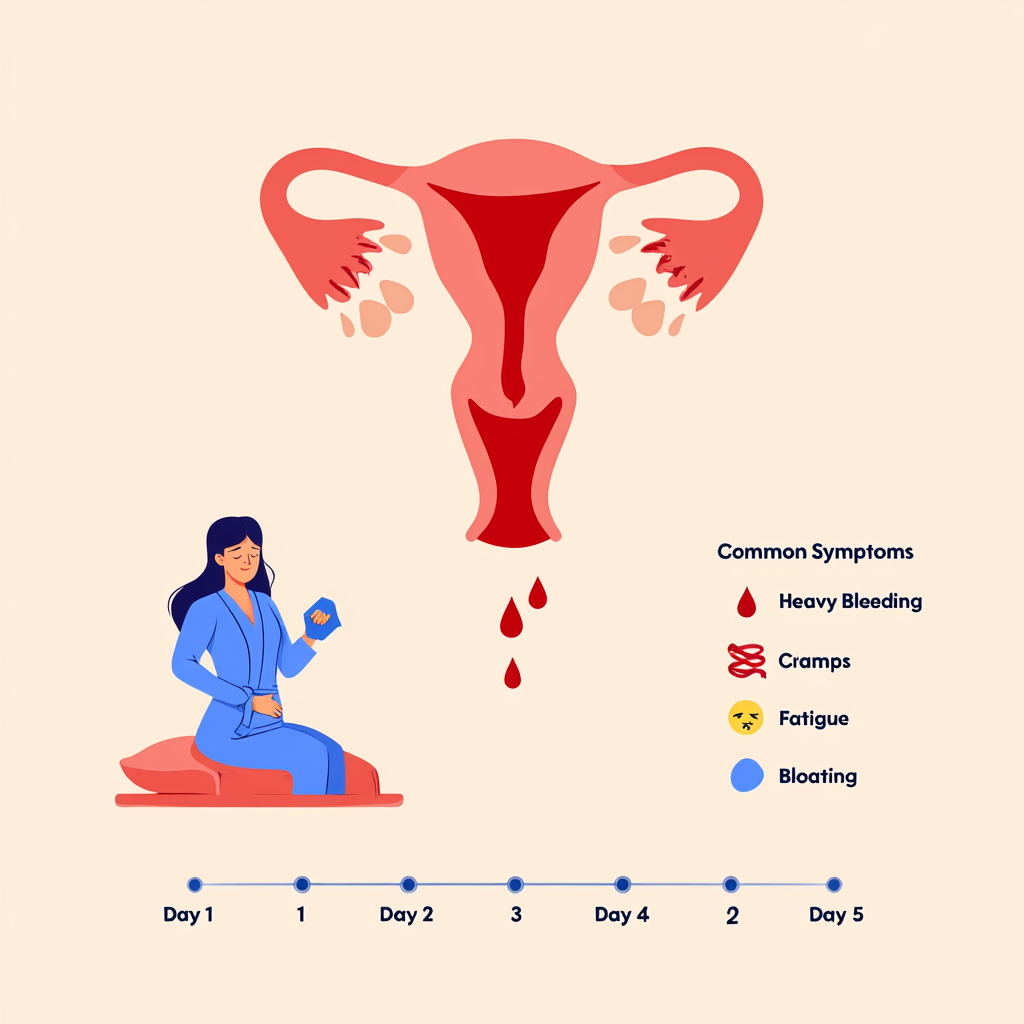
 What Normal Menstrual Health Looks Like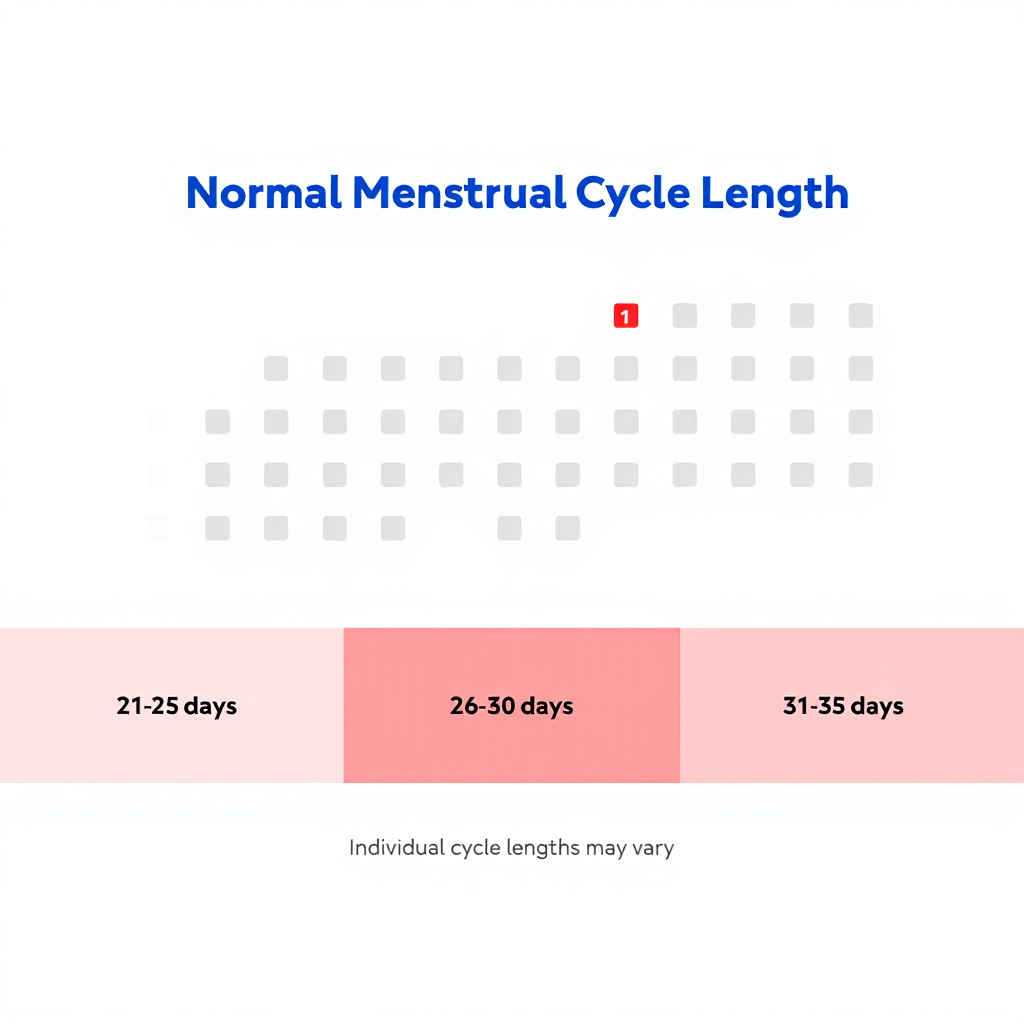
 Signs of Unhealthy Periods
 Very heavy bleeding (soaking pads in 1–2 hours)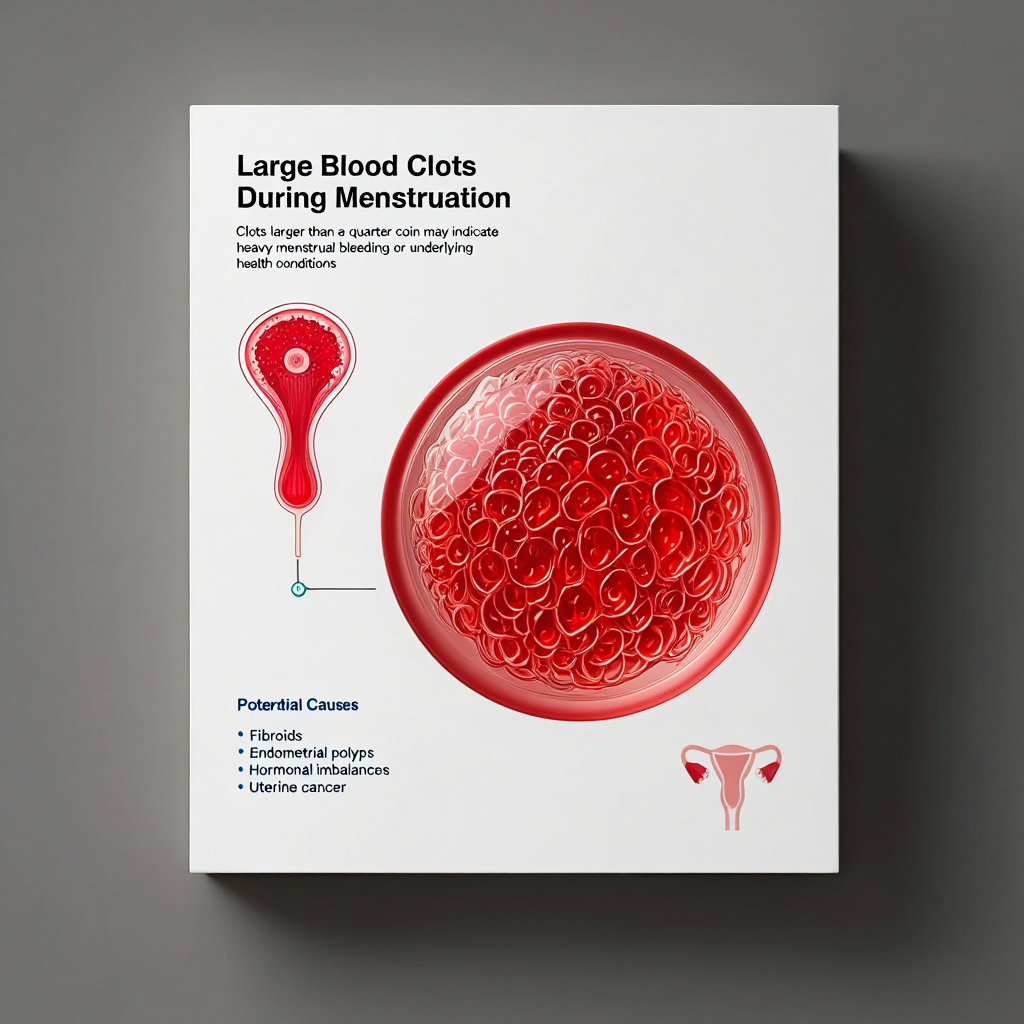
 How to Maintain Good Menstrual Health
 Eat a Balanced Diet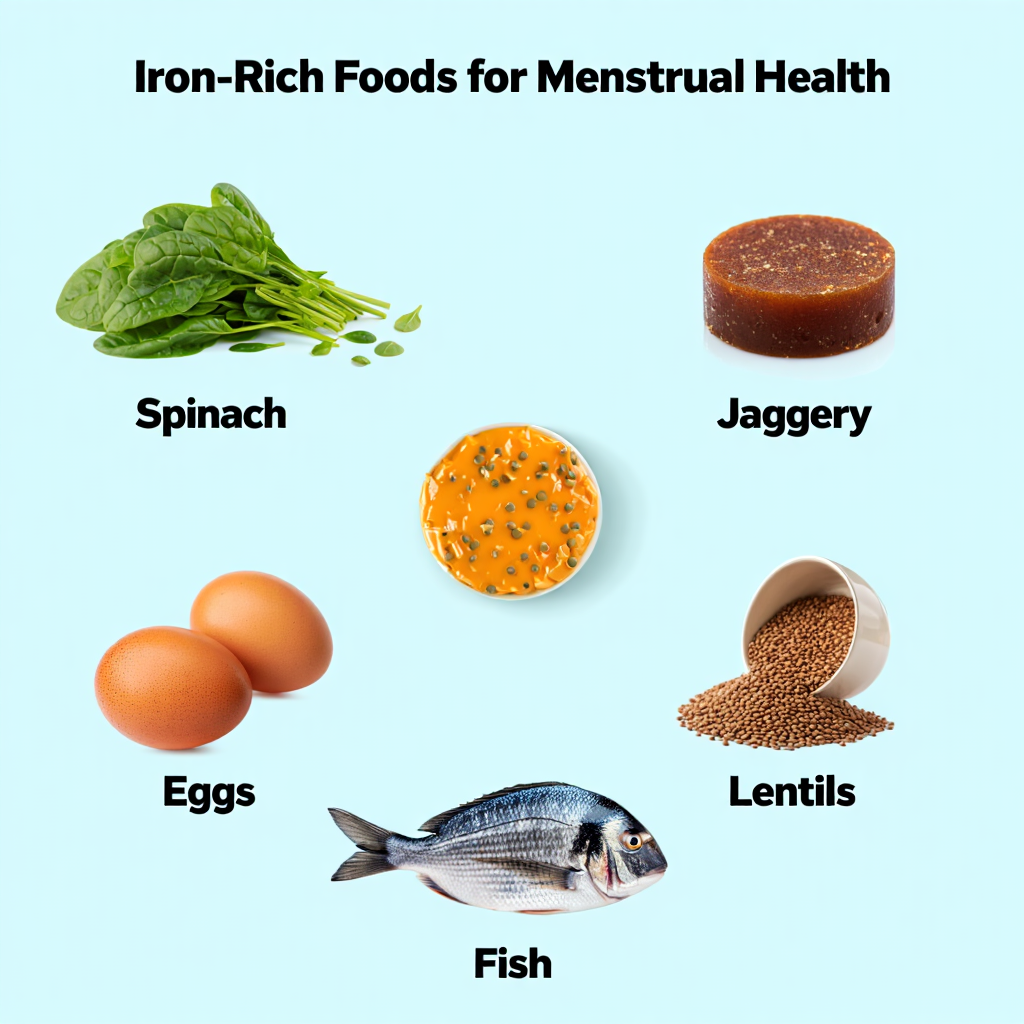
 Common Menstrual Health Issues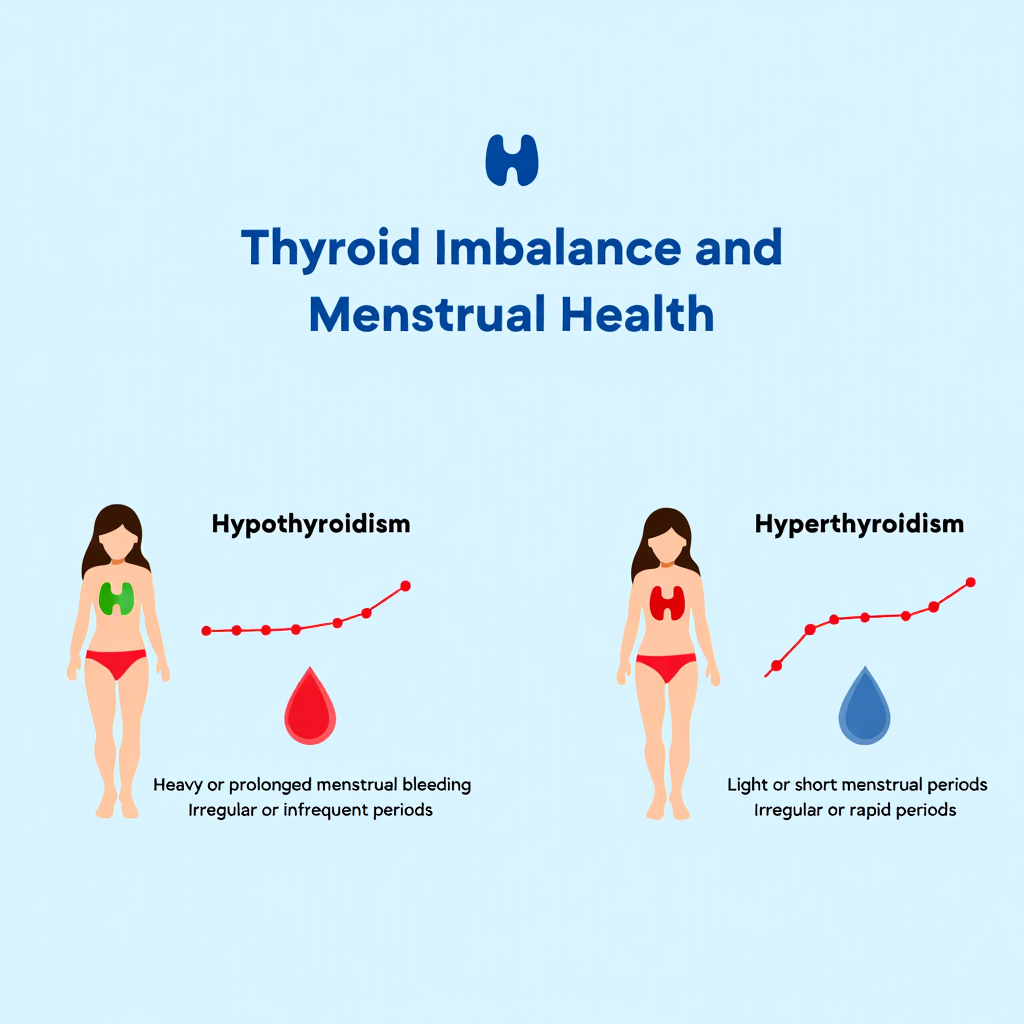
 Why Understanding Menstrual Health Matters