Most people think stress comes from work, relationships, or daily responsibilities — and that’s true. But one of the biggest reasons you feel more stressed is lack of sleep.
Sleep and stress are deeply connected. When you sleep less, your stress rises. When your stress rises, your sleep gets worse.
It becomes a cycle.
Understanding this connection can help you improve both your mental health and physical well-being.
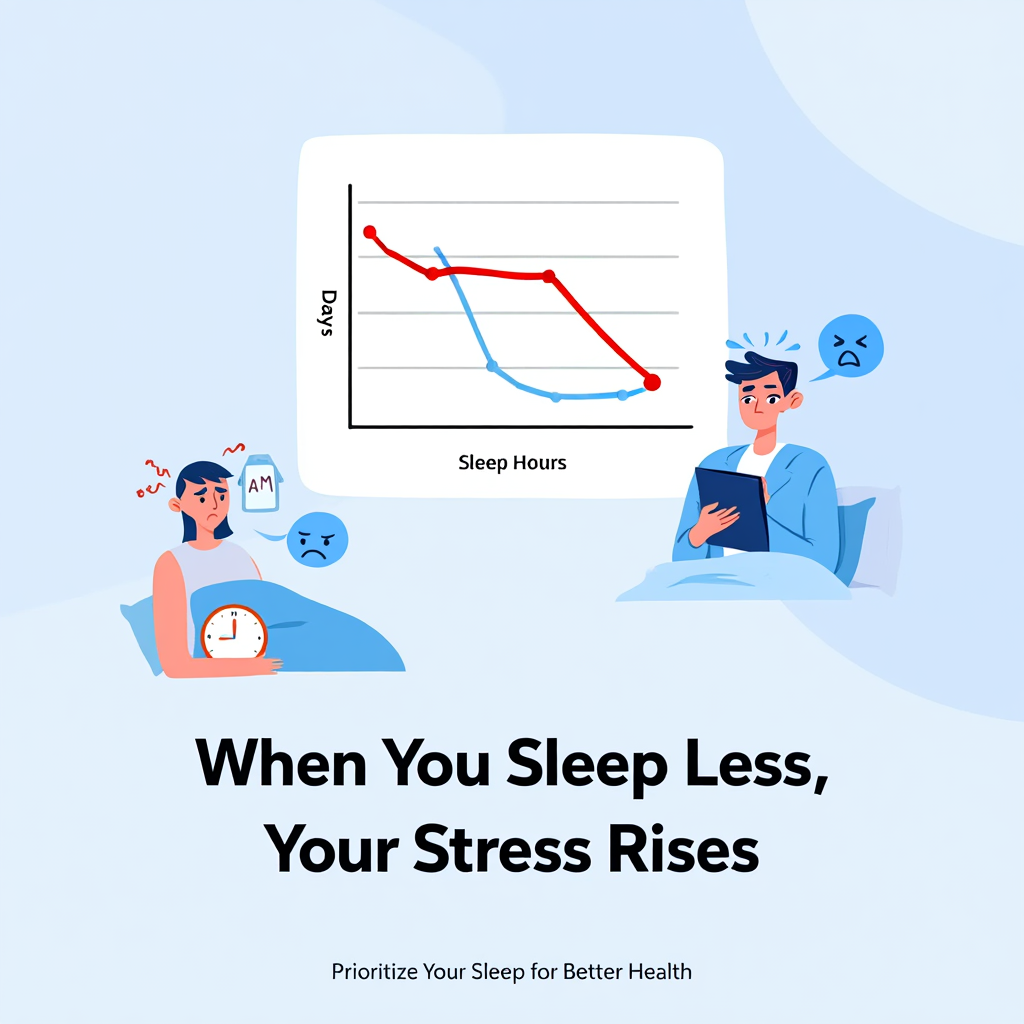
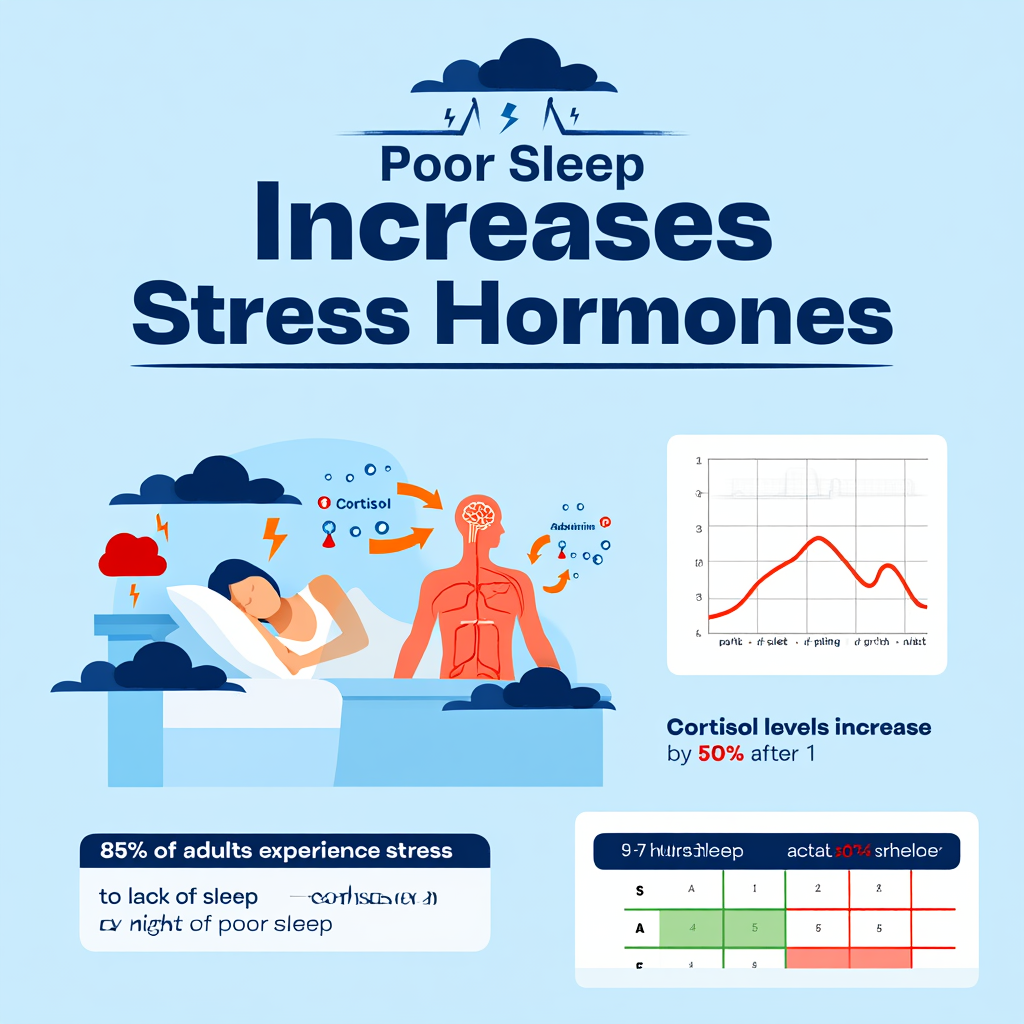
1. Poor Sleep Increases Stress Hormones
When you don’t sleep enough:
- Your body releases more cortisol (the stress hormone)
- Your mind becomes more alert, anxious, and tense
- You feel overwhelmed faster
- Small problems feel bigger than they are
Good sleep helps keep cortisol balanced so you stay calm and focused.
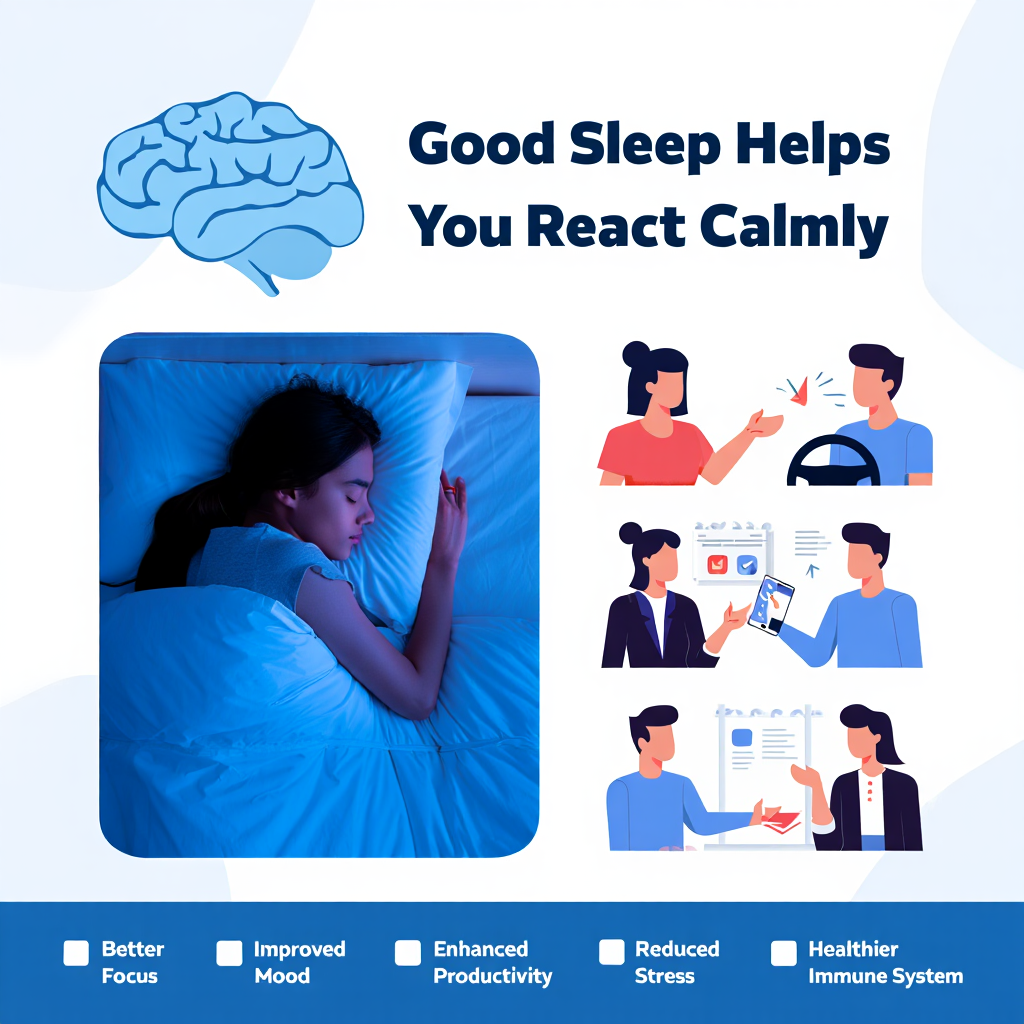
2. Lack of Sleep Makes You Emotionally Sensitive
Have you noticed you get irritated or upset more easily when you’re tired?
That happens because sleep affects the part of your brain that controls emotions.
Without enough sleep:
- Your patience decreases
- Mood swings increase
- You become more reactive
- Anxiety becomes stronger
Sleeping well helps you think clearly and react calmly.
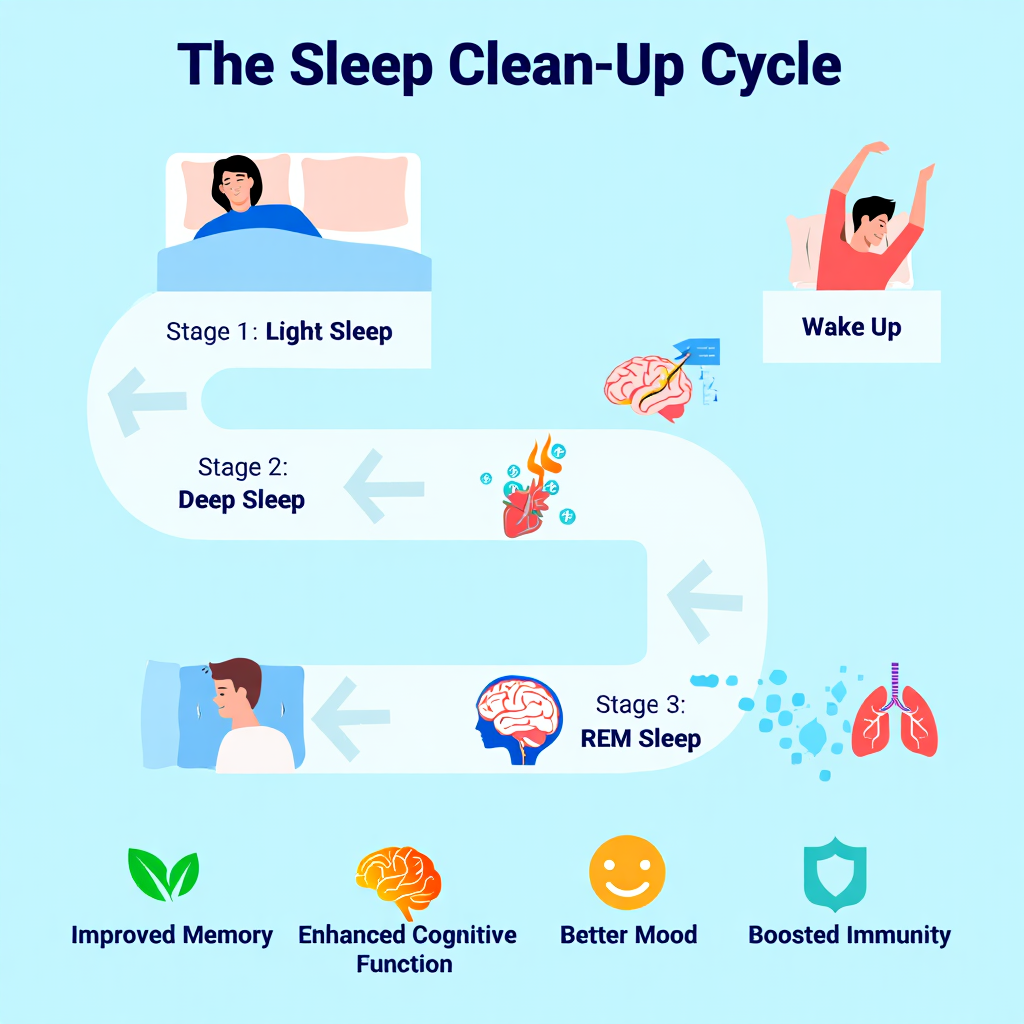
3. Sleep Helps Your Brain Remove Stress Build-Up
Every night, while you sleep, your brain performs a “clean-up process.”
It removes:
✔ toxins
✔ mental clutter
✔ emotional overload
This helps you wake up feeling fresh, peaceful, and stable.
When you don’t sleep well, this process doesn’t happen — leading to more stress the next day.
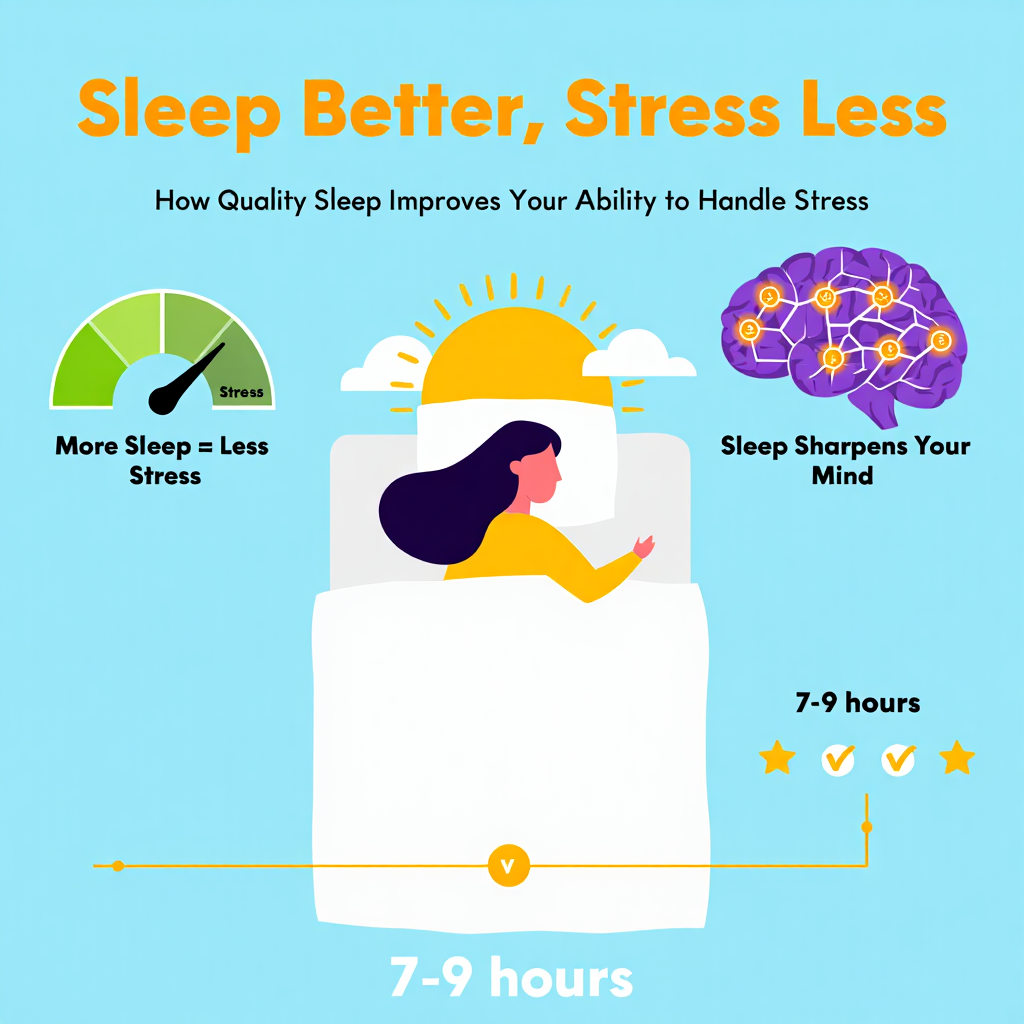
4. Good Sleep Improves Your Ability to Handle Stress
When you sleep enough, your brain becomes stronger at dealing with challenges.
You get:
✔ better problem-solving
✔ improved decision-making
✔ stronger emotional control
✔ more patience
✔ higher energy
This means even stressful situations feel manageable.
5. Stress Can Cause Insomnia — A Dangerous Loop
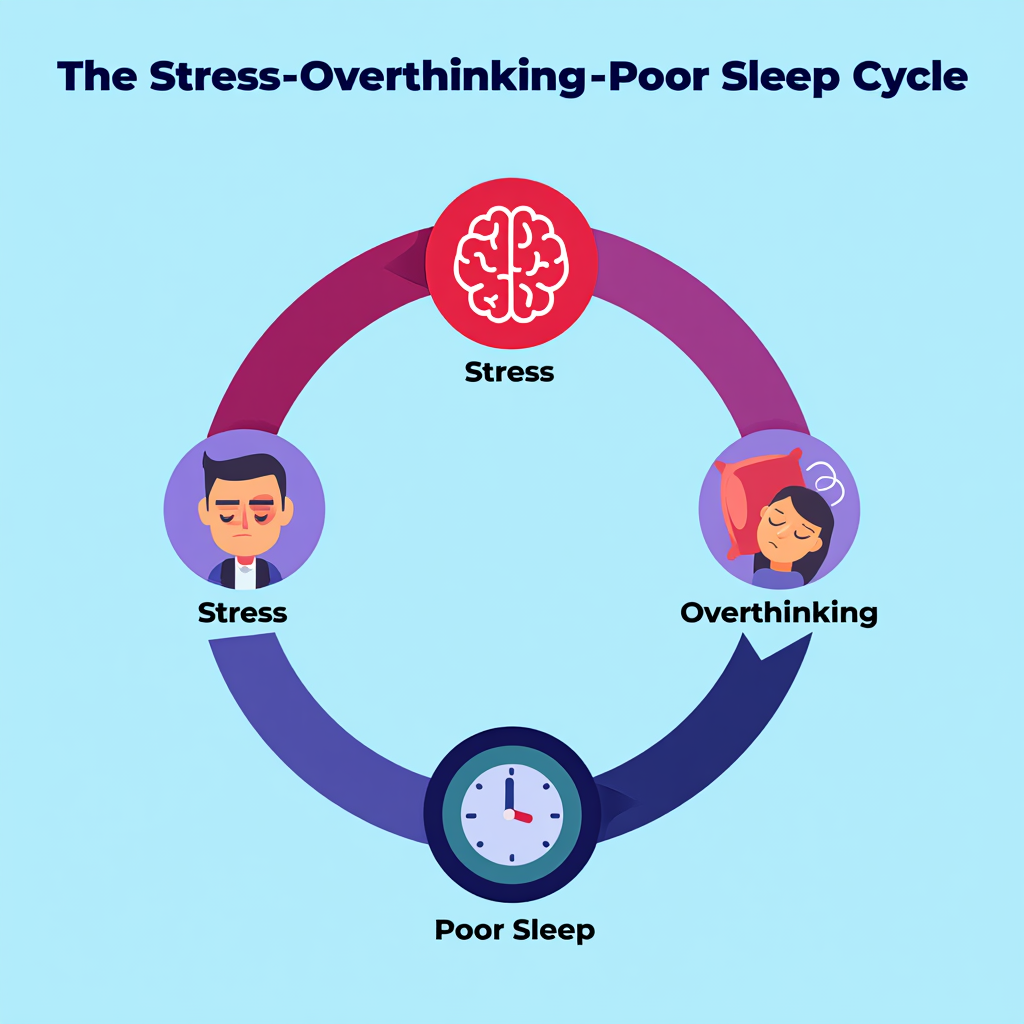
Stress makes it hard to sleep, and no sleep increases stress even more.
This cycle looks like:
Stress → Overthinking at night → Poor sleep → More stress → Repeat
Breaking this cycle starts with improving your sleep habits.
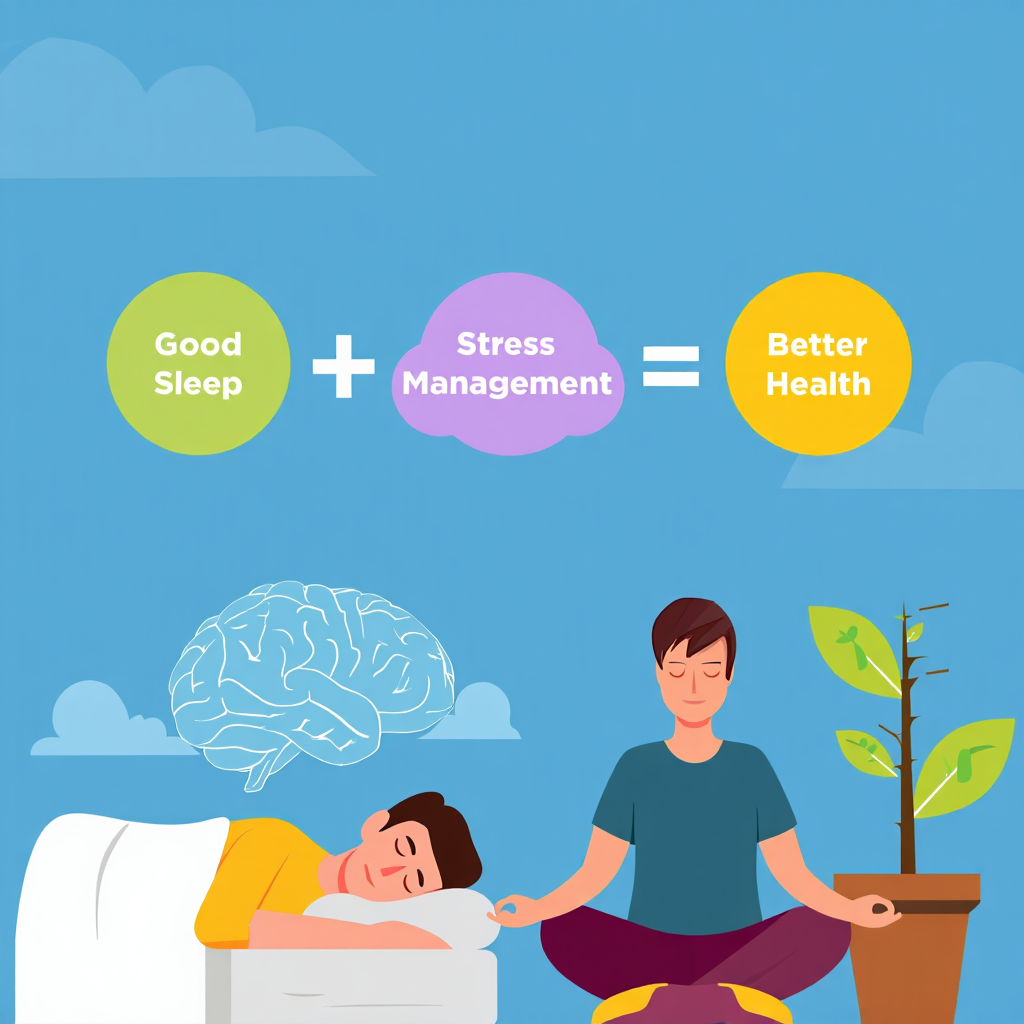
6. Good Sleep + Stress Management = Better Health
Good sleep improves:
✔ Heart health
✔ Digestion
✔ Immunity
✔ Mood stability
✔ Hormone balance
This directly reduces physical and mental stress.
Tips to Improve Sleep & Reduce Stress
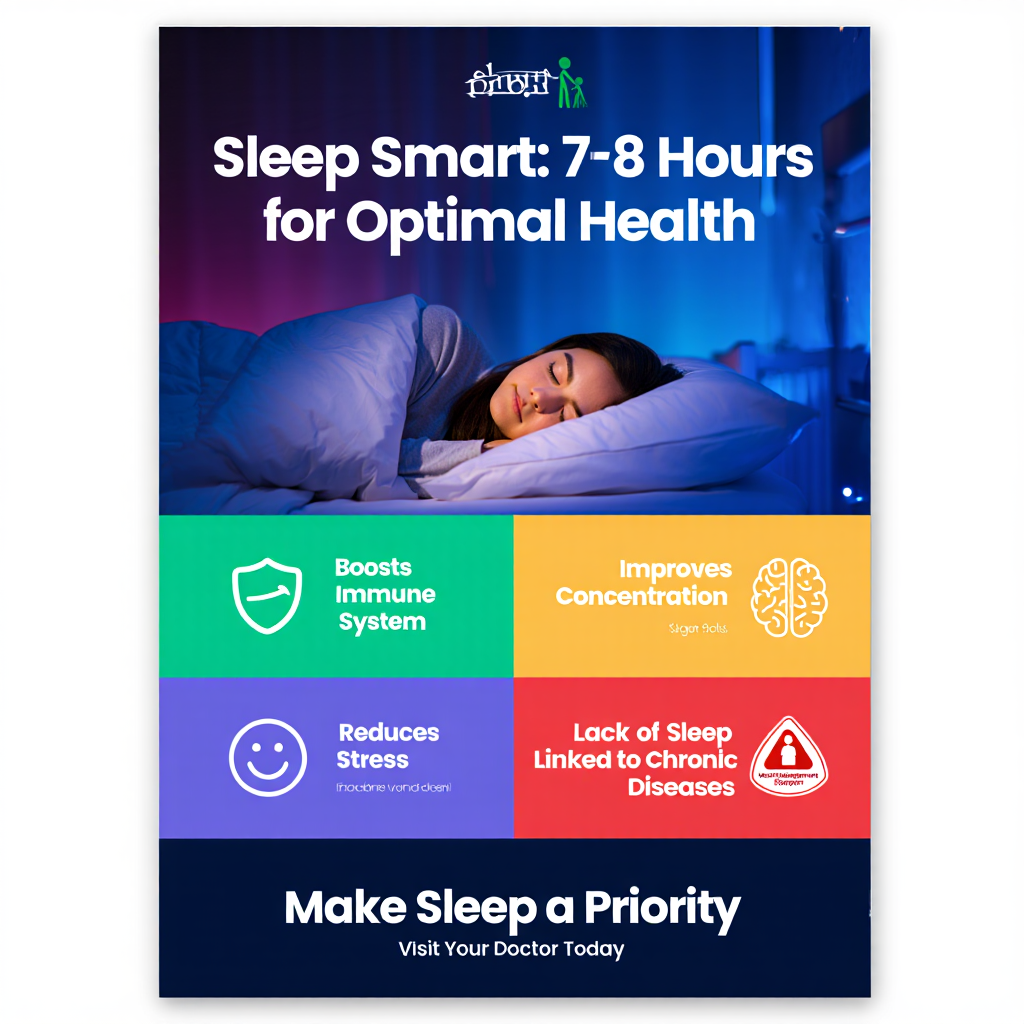
✔ Sleep 7–8 hours daily
✔ Avoid screens 1 hour before bed
✔ Keep your room dark & quiet
✔ Avoid caffeine at night
✔ Do deep breathing before sleeping
✔ Maintain a fixed sleep schedule
✔ Try journaling to clear your mind
Final Thoughts
Sleep isn’t just rest — it’s therapy for your mind.
Improving your sleep is one of the easiest and most powerful ways to reduce stress, improve mood, and boost overall health.