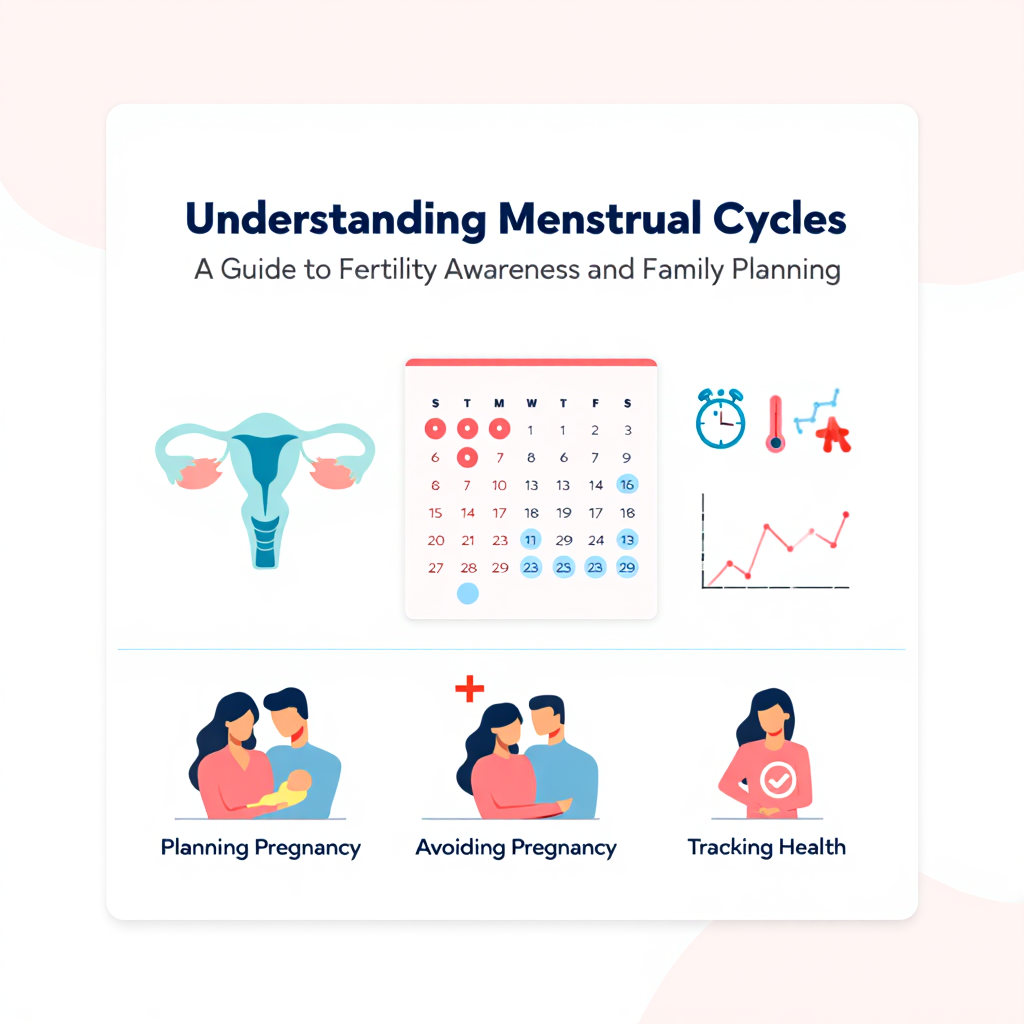
Menstrual health is an important part of a woman’s overall well-being, yet many people still feel confused or shy about it. Understanding your menstrual cycle helps you track your fertility, manage symptoms, and identify early signs of health issues. Here’s a simple, friendly guide to help you understand everything about periods and menstrual health.
 What Is the Menstrual Cycle?
The menstrual cycle is the monthly process your body goes through to prepare for pregnancy.
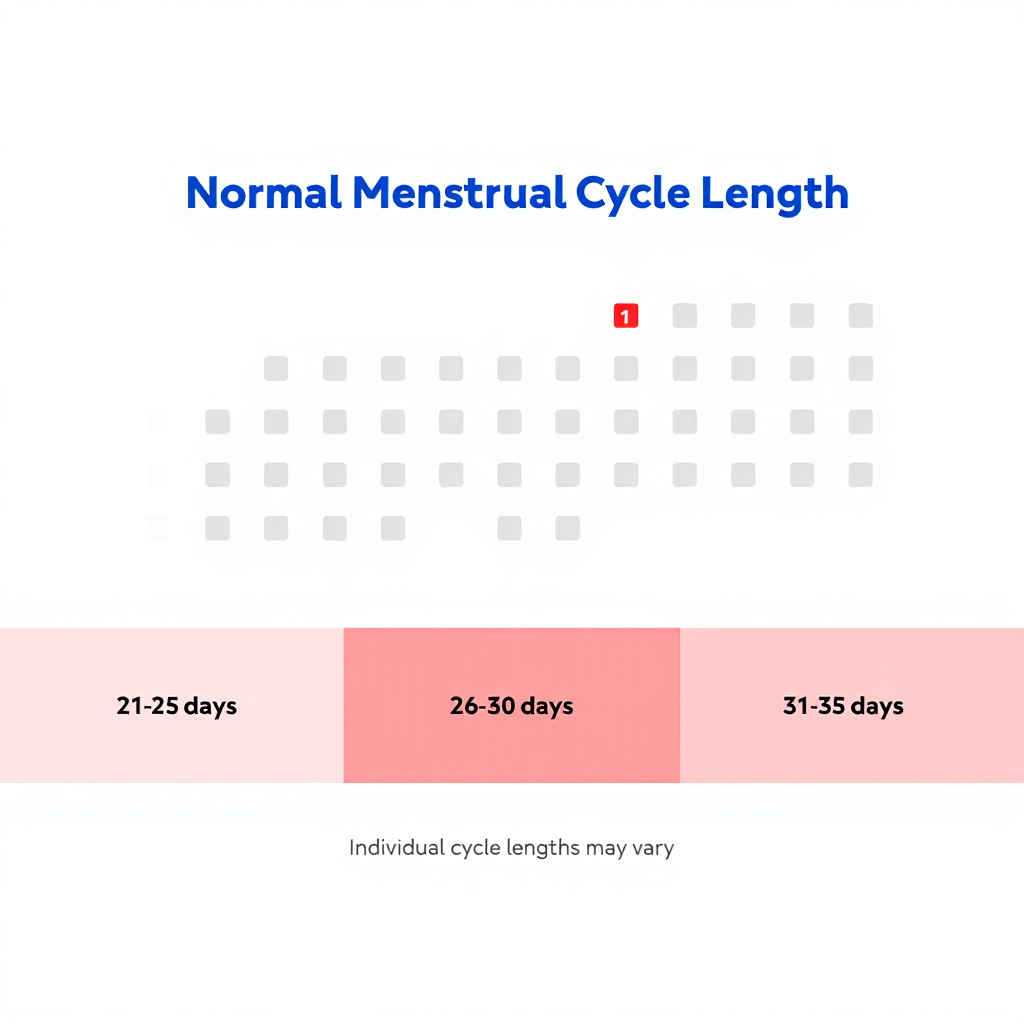
A complete cycle is counted from Day 1 of your period to the next period, usually lasting 21–35 days.
 Phases of the Menstrual Cycle
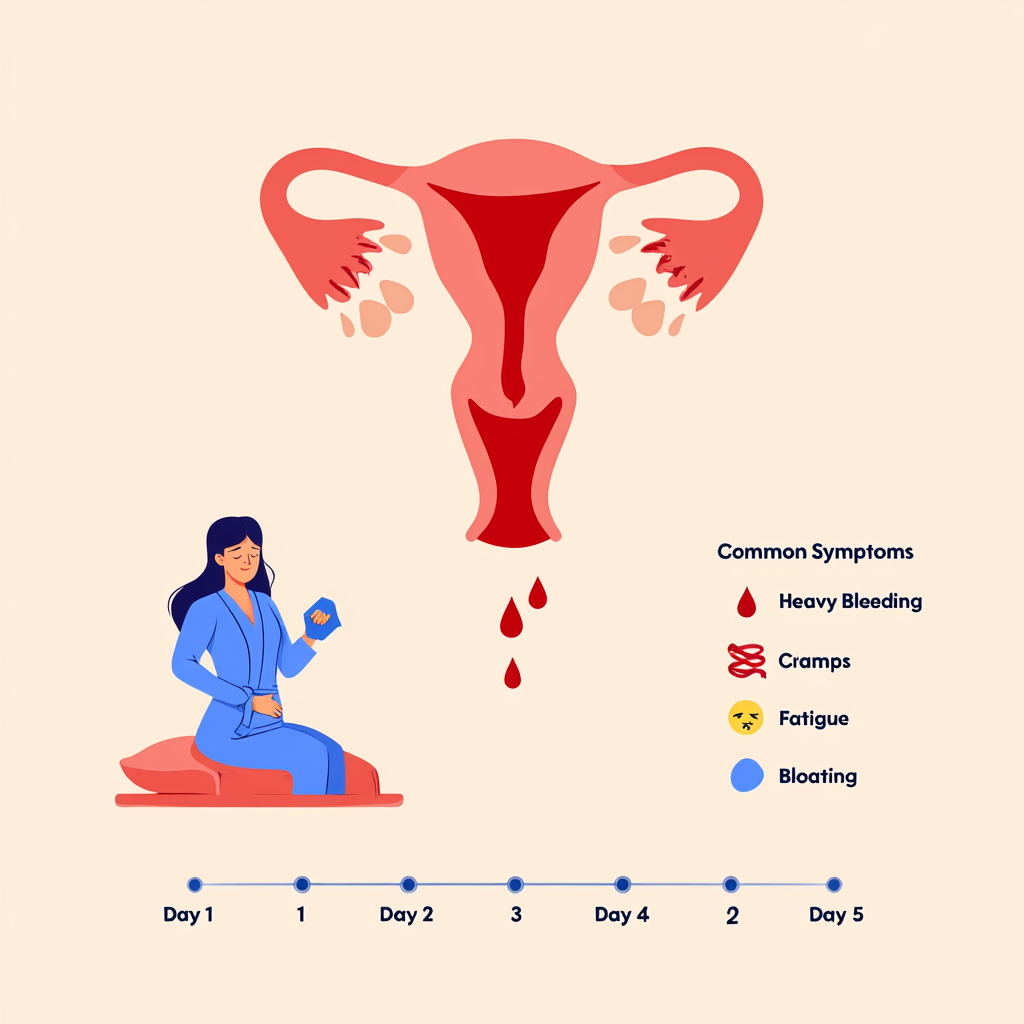
 Menstrual Phase (Days 1–5)
This is when bleeding happens. The uterus sheds its lining because pregnancy did not occur.
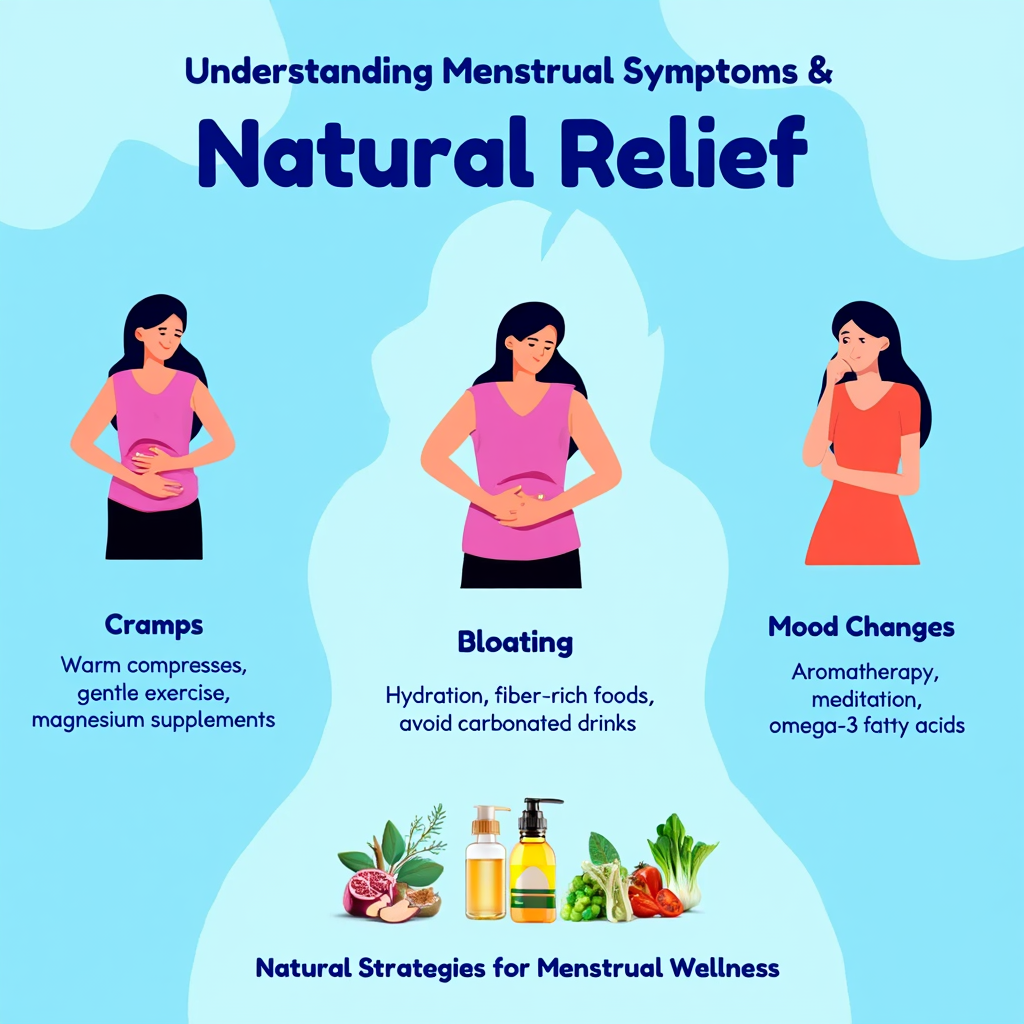
Common symptoms: cramps, back pain, mood swings, fatigue.
 Follicular Phase (Days 1–13)
The body prepares an egg for release.
Hormone levels rise, and you often feel more energetic and positive.
 Ovulation Phase (Day 14)
This is the fertile window.
The egg is released from the ovary—your chances of pregnancy are highest.
Some women feel mild pain on one side of their abdomen (ovulation pain).
 Luteal Phase (Days 15–28)
If pregnancy does not happen, hormones drop again.
This causes PMS symptoms: bloating, mood changes, acne, cravings, breast tenderness.
 What Normal Menstrual Health Looks Like
Every woman is different, but generally:
- Cycle length: 21–35 days
- Bleeding lasts: 2–7 days
- Flow should be moderate (not too heavy or too light)
- Mild cramps are normal
- Color can range from bright red to dark brown
 Signs of Unhealthy Periods
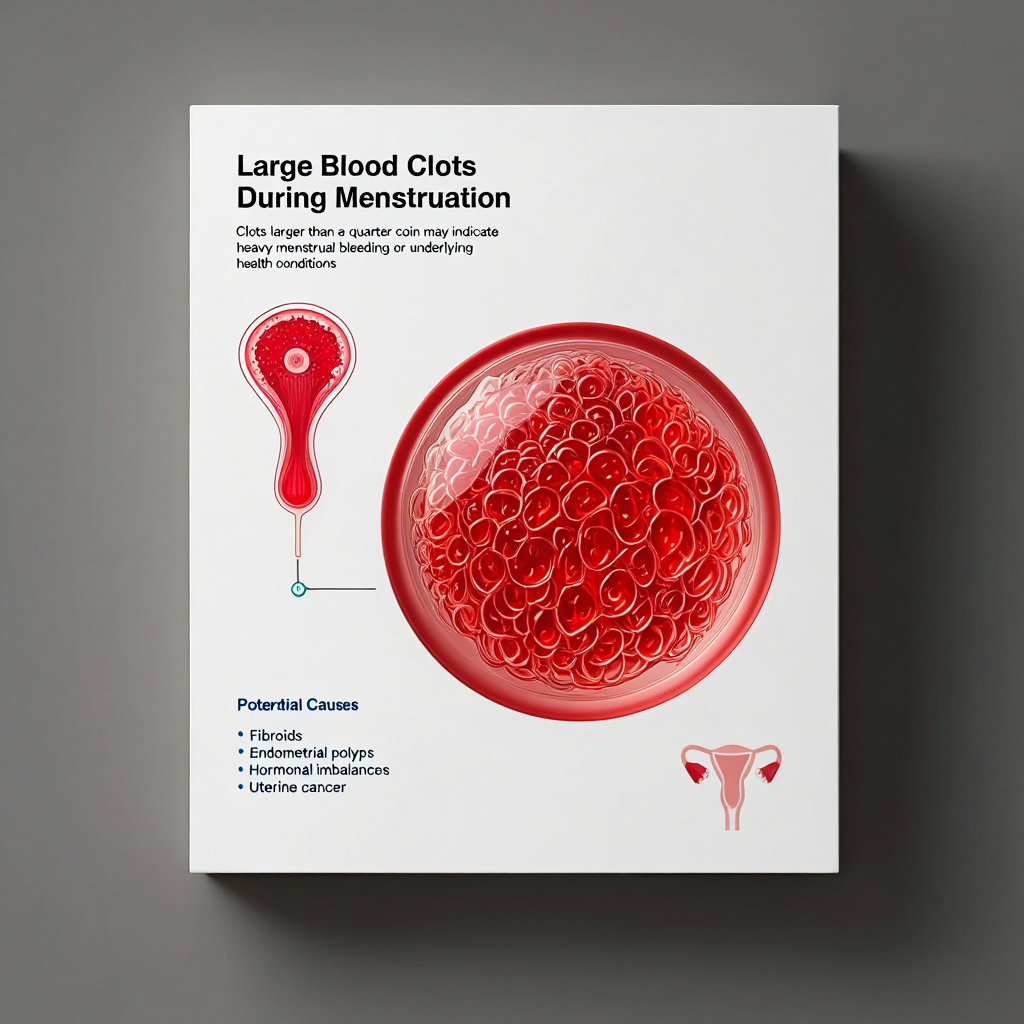
Contact a doctor if you notice: Very heavy bleeding (soaking pads in 1–2 hours) Missing periods for 3+ months (not pregnant) Severe pain that stops daily activities Blood clots larger than a coin Periods that come too early or too late Foul odor or unusual discharge Excessive facial/body hair + irregular periods (possible PCOS)
 How to Maintain Good Menstrual Health
 Eat a Balanced Diet
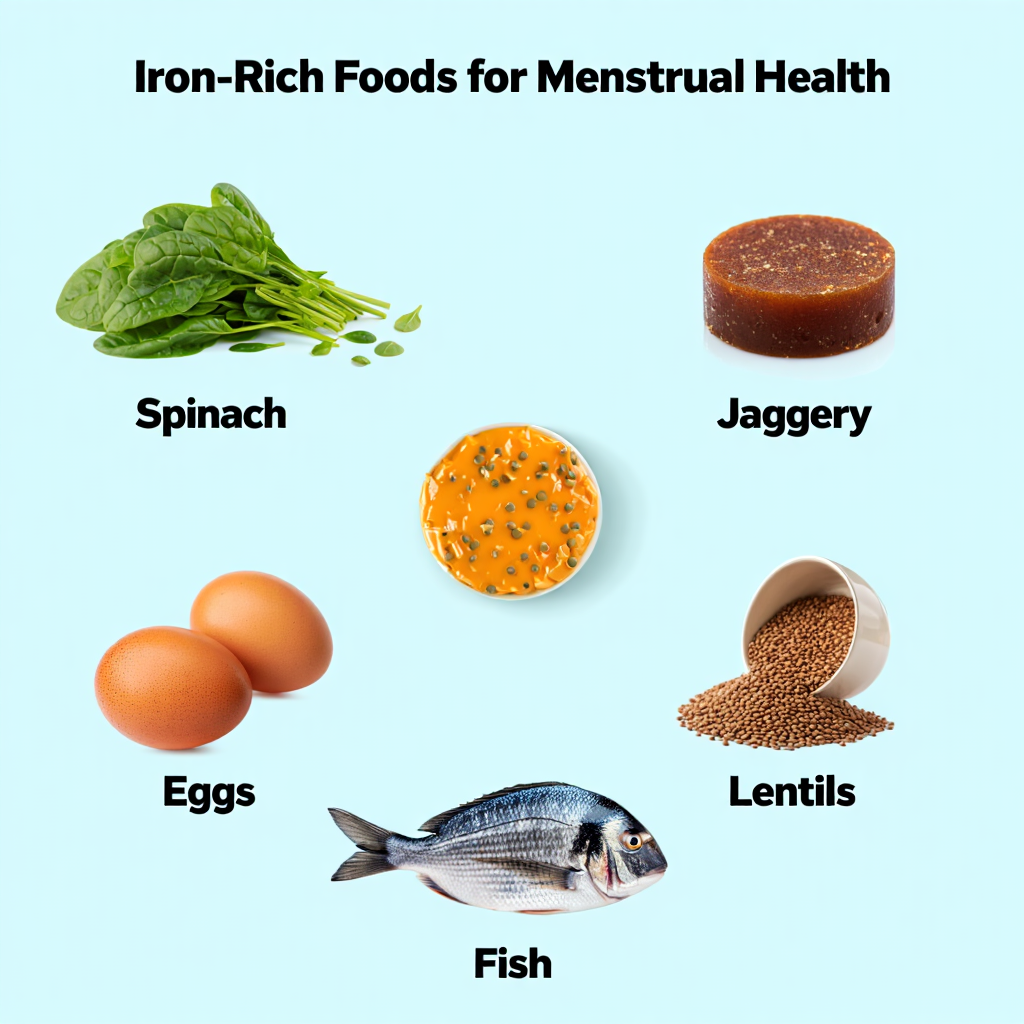
Include iron-rich foods like spinach, jaggery, eggs, lentils, fish.
Stay Hydrated
Helps reduce bloating and cramps.
Exercise Regularly
Even light walking or yoga helps regulate hormones.
Track Your Cycle
Apps like Flo, Period Tracker, and Clue help you understand patterns.
Manage Stress
Meditation, deep breathing, and good sleep support hormonal balance.
Maintain Hygiene
Change pads/tampons every 4–6 hours to avoid infections.
 Common Menstrual Health Issues
- PCOS (Polycystic Ovary Syndrome)
- Endometriosis
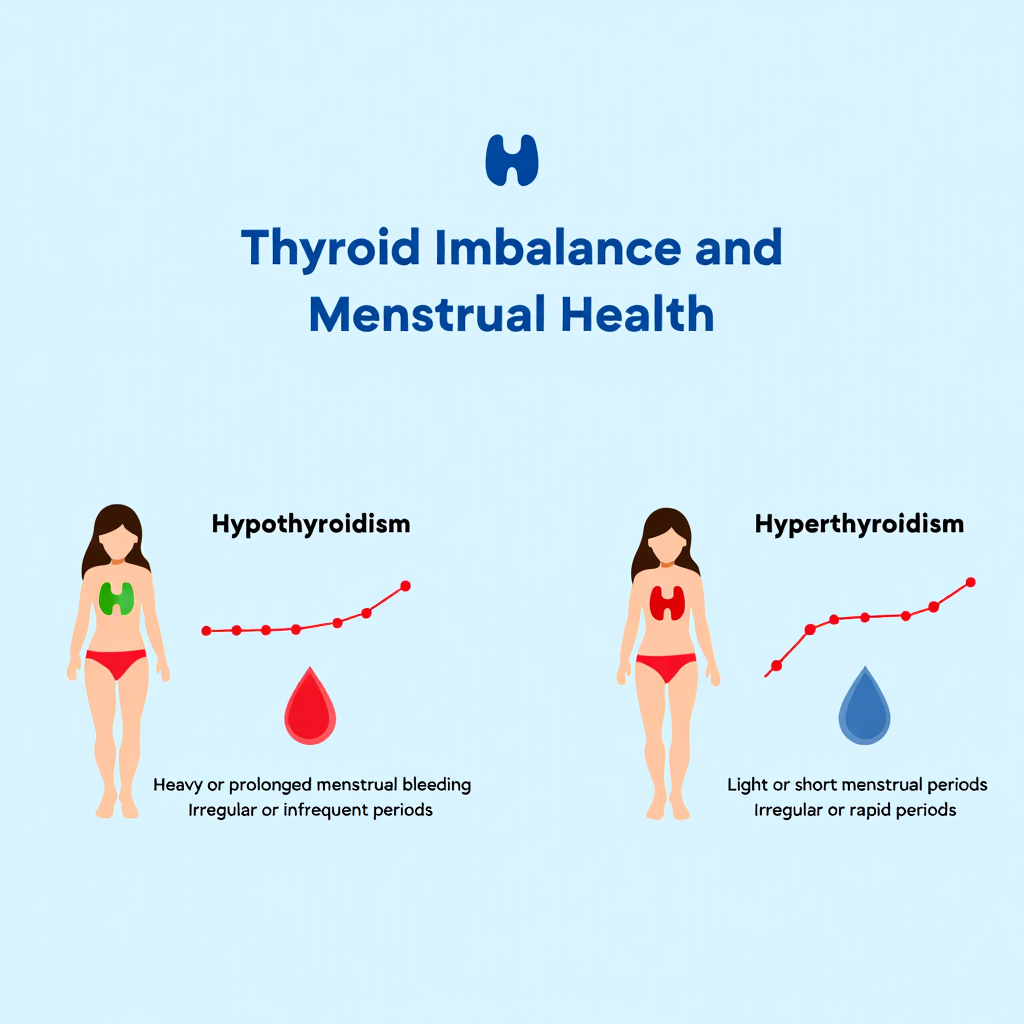
- Thyroid imbalance
- Fibroids
- Anemia
- Hormonal imbalance
Early diagnosis leads to better treatment.
 Why Understanding Menstrual Health Matters
Knowing how your body works helps you:
- Understand your fertility
- Manage PMS
- Detect health problems early
- Feel confident and in control of your body
- Improve overall hormone health